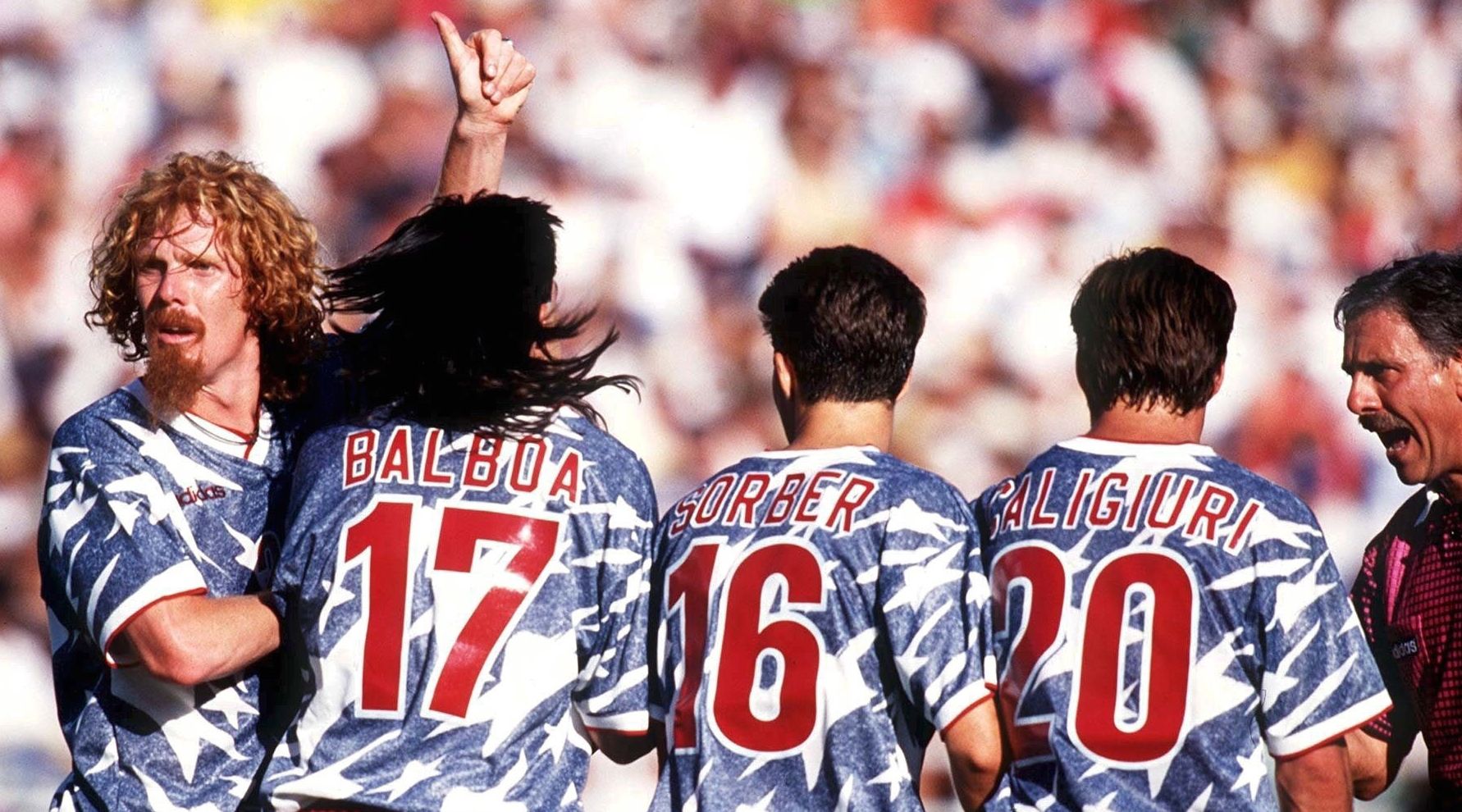
It has been nearly four decades since the United States earned the right to host the 1994 FIFA World Cup.
The decision sparked widespread debate: after all, the U.S. had not featured in a World Cup since 1950, and unlike fellow contenders Brazil and Morocco, football was far from being the nation’s primary sport — it was barely on the radar.
However, FIFA recognised the enormous commercial potential of the U.S. sports market and saw a chance to ignite football’s growth in the country.
The gamble paid off spectacularly. Even 32 years later, the 1994 tournament remains the most financially successful World Cup ever staged, recording a total attendance of 3,587,538 and an average of 68,991 spectators per match.
Back in 1994, football ranked only as America’s 67th favourite sport — even behind tractor pulling. Surveys showed that 71% of Americans were unaware the World Cup was coming to their shores, while 29% simply weren’t interested. Fast forward to the present, and it’s difficult to find a supermarket, shopping mall, or restaurant that isn’t gearing up for the 2026 World Cup celebration.
The most transformative legacy of the 1994 event, however, was the development of football infrastructure across the United States. FIFA’s condition for awarding hosting rights was that the country must establish a professional football league, as the U.S. had been without a top-tier division since the collapse of the North American Soccer League in 1984.
This gap was finally bridged in 1996 with the birth of Major League Soccer (MLS). Although the league will pause its season until July 16 during the 2026 FIFA World Cup, MLS will still play a central role in hosting duties — a testament to how deeply football has now taken root in the U.S.
Five MLS stadiums are set to stage World Cup matches, while 14 MLS and MLS NEXT PRO clubs will serve as official Team Base Camps for national squads. Additionally, more than 20 other MLS club facilities will be used for pre-World Cup training, warm-up fixtures, fan events, and Venue-Specific Training Sites.
“When the U.S. was awarded the World Cup in 2018, we said, ‘We’ve got this north star to look at — an eight-year ramp-up,’” said MLS Chief Communications Officer Dan Courtemanche in an interview with FourFourTwo. “Since then, we’ve witnessed tremendous growth: nine new football stadiums have been built, with two more coming up in New York and Chicago, and we’re confident Boston will follow soon.”
He added, “We’ve added 12 new training centres, boosted player sales by 5.75%, and increased attendance by 33%. Eight of the 50 most valuable football clubs are now part of MLS. To sustain this, we’ve ensured world-class stadiums and training facilities not just for first teams, but also for reserves and youth academies.”
When Courtemanche joined MLS in 1995, the league was gearing up for launch with just 10 clubs playing in borrowed American football venues. Today, 27 of the 30 teams compete in stadiums purpose-built or renovated for football — the result of over $11 billion invested in soccer-specific infrastructure, including training centres, youth academies, and community projects.
MLS has also created a professional pathway for young players across the U.S. and Canada. More than 650 homegrown players have entered the league, with the majority debuting since 2020. Talents such as Weston McKennie, Alphonso Davies, and Ricardo Pepi — all products of this system — will represent their nations at the upcoming World Cup.
MLS academies have taken on the costs of developing elite youth players, covering training, coaching, travel, and tournament fees, ensuring that merit — not money — determines opportunity. These young athletes benefit from daily access to professional facilities, sports science, and nutrition. With the launch of MLS Next Pro, there is now a clear bridge from youth football to the professional level.
Major League Soccer stands today as the enduring legacy of the 1994 World Cup in the United States. Beyond simply establishing a professional league, it has cultivated a thriving football ecosystem, providing high-quality facilities and opportunities for emerging talent across North America.
“We have become one of the world’s leading leagues when you consider our infrastructure, facilities, club valuations, and total attendance — which now ranks second globally behind the Premier League,” Courtemanche emphasised. “For us, the World Cup is an extraordinary chance to demonstrate how far MLS has come — and where it’s headed next.”
-
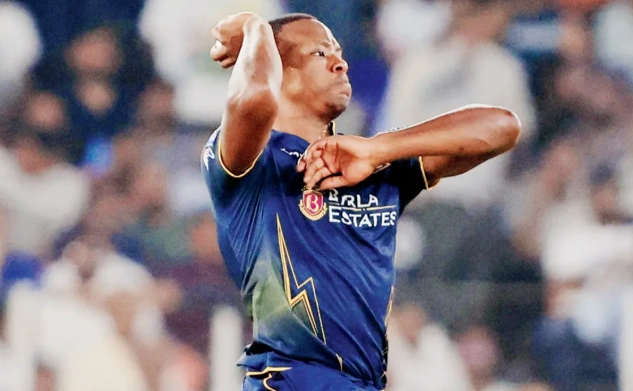
Take a bow, Kagiso Rabada - top bowler in IPL 2026 to win Purple Cap
-
We Were Deserving Champions Bhuvneshwar On RCBS Back To Back IPL Titles

-
Understanding the Key Differences Between AI and AGI

-
'It's like gradual death': Afghan women academics struggle to cope with ban on education, employment

-
Trial Begins for Karmelo Anthony in High School Stabbing Case