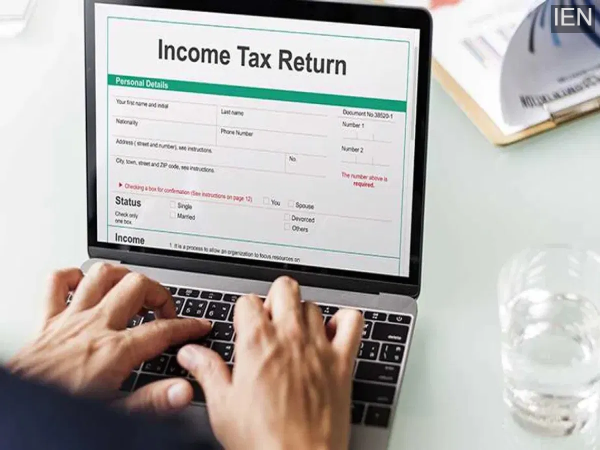
The income tax return (ITR) filing season for Assessment Year 2026-27 is underway, and taxpayers are being advised to organize their financial documents well in advance. Keeping the required paperwork ready not only makes the filing process faster but also helps reduce mistakes that could lead to delayed refunds, incorrect tax calculations, or even notices from the Income Tax Department.
Tax experts say that many filing errors occur because taxpayers fail to verify their income, tax deductions, and investment details before submitting their returns. Proper documentation can help ensure accurate reporting and maximize eligible deductions and exemptions.
Why Preparing Documents in Advance Is Important
Filing an income tax return involves reporting income from multiple sources, claiming deductions, and verifying taxes already paid. Missing or incorrect information can create discrepancies in the return, potentially resulting in refund delays or additional scrutiny from tax authorities.
Having all relevant records in one place allows taxpayers to cross-check information before filing and minimizes the chances of errors.
Form 16 and Form 26AS: The Foundation of Tax Filing
For salaried individuals, Form 16 remains one of the most important tax documents. Issued by employers, it contains details of salary income and the tax deducted at source (TDS) during the financial year.
Another crucial document is Form 26AS, which acts as a consolidated tax statement. It includes information related to TDS, tax collected at source (TCS), advance tax payments, and other tax credits linked to the taxpayer's PAN.
Before filing an ITR, taxpayers should compare the information available in Form 16 with Form 26AS to ensure consistency and accuracy.
Verify Income Using AIS and Bank Statements
The Annual Information Statement (AIS) has become an essential tool for tax filing. It provides a comprehensive summary of various financial transactions, including interest earnings, dividend income, securities transactions, and other reported financial activities.
Bank statements are equally important because they help taxpayers verify interest income, cash flows, and other transactions throughout the financial year.
Experts recommend reconciling AIS data with bank account records before filing returns. Any mismatch can lead to incorrect income reporting, which may trigger tax-related complications later.
Keep Investment Proofs Ready for Deductions
Taxpayers planning to claim deductions under various provisions of the Income Tax Act should ensure that all supporting documents are readily available.
These may include records related to:
-
Public Provident Fund (PPF) investments
-
Equity Linked Savings Schemes (ELSS)
-
Life insurance premium payments
-
National Pension System (NPS) contributions
-
Tax-saving fixed deposits
-
Other eligible investments
Maintaining proper proof of investments can help taxpayers claim deductions smoothly and avoid disputes during verification.
Health Insurance Documents Also Matter
Individuals claiming deductions for health insurance premiums should keep premium payment receipts and policy documents ready.
Medical insurance benefits claimed under applicable tax provisions require valid documentation. Without supporting evidence, taxpayers may face difficulties in claiming eligible tax benefits.
Important Records for Salaried Employees
Apart from Form 16, salaried taxpayers should preserve salary slips for the entire financial year.
Those claiming House Rent Allowance (HRA) exemption should maintain:
-
Rent receipts
-
Rental agreement
-
Landlord details
-
PAN of the landlord (where applicable)
Employees should also keep records of allowances, reimbursements, and other employment-related benefits received from their organization.
Documents Freelancers and Business Owners Should Maintain
Self-employed professionals, freelancers, and business owners need to maintain detailed records of both income and expenses.
Important documents include:
-
Client invoices
-
Payment receipts
-
Business expense records
-
Accounting statements
-
Bank transaction records
-
GST returns, where applicable
-
Advance tax payment receipts
Accurate documentation helps determine taxable income correctly and ensures compliance with tax regulations.
Capital Gains and Rental Income Records
Taxpayers who sold shares, mutual funds, bonds, or real estate during the financial year should keep all capital gains-related documents ready.
For property transactions, important records include:
-
Purchase agreement
-
Sale deed
-
Stamp duty details
-
Brokerage expenses
-
Improvement and renovation costs
Similarly, individuals earning rental income should maintain:
-
Rent agreement
-
Rental receipts
-
Tenant details
-
Home loan interest certificate, if applicable
These documents help calculate taxable income accurately and enable taxpayers to claim eligible deductions and exemptions.
Final Takeaway
Preparing tax documents before starting the ITR filing process can save time, reduce errors, and prevent unnecessary complications. Key records such as Form 16, Form 26AS, AIS, bank statements, investment proofs, home loan documents, and capital gains statements play a critical role in ensuring accurate tax filing.
By organizing these documents early, taxpayers can complete their returns more efficiently, claim all eligible tax benefits, and avoid refund delays or future tax notices.
-
Google’s new security cover: Fake Call Detection feature will identify scam calls, users will get instant alert

-
48 teams, 104 matches and hosting by three countries – what is going to happen for the first time in FIFA World Cup 2026?

-
Will Hardik Pandya be out of T20 team? The big reason came to light…

-
Sai Sudarshan lost his bat in the nets too, will he be out of Afghanistan Test?

-
PV Sindhu out of Indonesia Open, suffered a crushing defeat from world number one player An Se-young