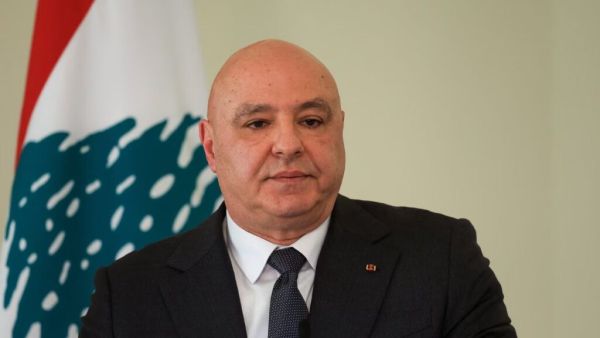
Lebanese President Joseph Aoun has indicated that a ceasefire between Lebanon and Israel could begin within the next 24 hoursaccording to reports carried by Lebanese broadcaster MTV. The remarks come amid intensified diplomatic contacts involving Lebanon, Israel, and the United States aimed at halting weeks of cross-border hostilities and reducing regional tensions.
Ceasefire efforts gain momentum
According to Lebanese political and diplomatic sources cited by MTV, negotiations have accelerated in recent days as international mediators work to secure a comprehensive ceasefire. The discussions have focused on ending military operations, preventing further escalation, and creating conditions for broader political and security talks.
President Aoun has repeatedly stressed that a full ceasefire is essential for any meaningful negotiations to move forward. Lebanese officials have maintained that any agreement must apply to all Lebanese territory and be accompanied by commitments from all parties involved.
U.S.-brokered negotiations
The latest diplomatic push follows intensive negotiations facilitated by the United States. A joint understanding announced by Israel and Lebanon this week aims to implement a ceasefire, provided that conditions to security arrangements along the border are met. The agreement reportedly includes provisions concerning the withdrawal of armed elements from areas south of the Litani River and a larger role for the Lebanese Armed Forces in maintaining security.
Officials involved in the talks have described the current moment as a critical opportunity to reduce violence and establish a framework for longer-term stability. Further negotiations are expected to continue even after any ceasefire takes effect.
Challenges remain
Despite the positive signals from Beirut, significant challenges remain. Israeli officials have stated that military operations against what they describe as security threats may continue even under a ceasefire arrangement. Israeli Defence Minister Israel Katz said Israel intends to keep acting against Hezbollah infrastructure and maintain security measures in southern Lebanon.
Meanwhile, questions remain over the final position of Hezbollahwhich was not directly involved in the negotiations that produced the latest ceasefire framework. Previous ceasefire efforts have faced difficulties due to disagreements over implementation and enforcement.
Regional and humanitarian impact
The conflict has caused extensive destruction and displacement across parts of Lebanon. International organizations have repeatedly warned about the humanitarian consequences of continued fighting, particularly for civilians living in affected areas. Recent United Nations assessments highlighted the growing toll on children and civilian infrastructure.
What happens next?
As diplomatic contacts continue, attention is now focused on whether the proposed ceasefire can be formally implemented within the next day. Lebanese officials have expressed cautious optimism, while mediators continue working to secure commitments from all sides. If successful, the ceasefire could mark the most significant reduction in hostilities in recent weeks and open the door to broader negotiations aimed at preventing further escalation.
-
'I'm a top TV farmer - here's what the farming industry really thinks of Clarkson'

-
Word of the day: Assiduous

-
Upasana Singh calls Bhabi Ji Ghar Par Hai actress Shilpa Shinde 'wonderful' amid false se*ual harassment row: says 'Haven't people made mistakes?'

-
EU Ingredients In Indian Kitchens: Smart Ways To Cook And Store

-
Malaika Arora slays in pink chanderi sharara worth Rs 42,000, you can buy the same outfit from this site