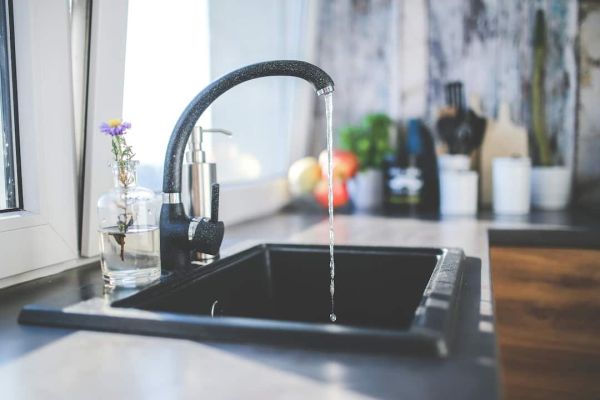
Few household problems are as frustrating as turning on the tap and seeing only a weak trickle of water come out. Whether you're washing dishes, cooking dinner or tackling everyday chores, low water pressure can make even the simplest tasks take longer than they should. While many people assume the issue is caused by the local water supply, that's not always the case. In some homes, the real problem could be sitting right above your head inside the water tank. Over time, water tanks can collect dirt, algae and mineral deposits. As this build-up increases, it may affect the flow of water through the pipes, leading to reduced pressure at your taps. The good news is that you don't necessarily need expensive products or professional help to give your tank a basic clean.
The Kitchen Ingredient That Could Help
According to home maintenance experts, ordinary white vinegar can be surprisingly effective when it comes to cleaning water tanks. Thanks to its mild acidic properties, white vinegar can help break down mineral deposits and loosen grime that has built up over time. When these deposits are removed, water may be able to flow more freely through the system. A simple cleaning solution can be made by mixing one part white vinegar with three parts water. The mixture can then be applied to the tank's inner walls using a brush to help remove dirt, algae and residue.
Most homeowners rarely think about their water tank until a problem appears. However, just like any other part of the home, water tanks require occasional maintenance. When dirt and sediments accumulate, they can affect both water quality and the efficiency of the plumbing system. Regular cleaning can help keep the tank in better condition and reduce the chances of unwanted build-up finding its way into your pipes.
Baking Soda Can Also Be Useful
If you don't have white vinegar on hand, baking soda is another household ingredient often used for cleaning. A paste made from baking soda and water can help tackle grime and residue on tank surfaces. As with any cleaning method, it's important to rinse thoroughly afterwards to ensure no cleaning residue is left behind.
Safety Tips Before You Start
Before cleaning your water tank, remember to switch off the water supply and wear protective gloves. It's also best to avoid harsh chemical cleaners, as they may affect water quality. If you've noticed that your taps aren't flowing as strongly as they once did, it may be worth checking whether your water tank needs attention. A simple clean using everyday kitchen ingredients could help improve water flow and keep your home's water system running more smoothly.
-
Why do breasts hurt during menstrual days? Know its causes and symptoms, timely treatment will provide relief

-
Tolyamory Trend: What is Tolyamory, changing way of looking at relationships; Honesty or confusion?

-
Maruti Suzuki Launches First Flex-Fuel Car

-
Tech News: 4 new colors of iPhone 18 Pro Leak, Cherry shade will be brought to the market; Riot in the market for Gen-Z!

-
The call will not stop even if the network is down! BSNL users should turn on this setting in the phone now… then see the amazing thing.