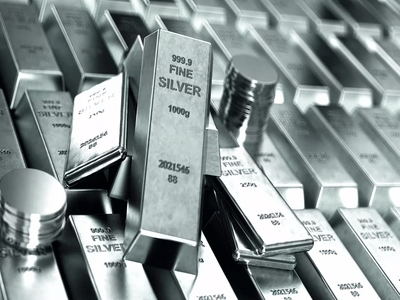
The Central Government has announced another significant policy change related to silver imports, a move that could have far-reaching implications for traders, industries, and consumers across the country. The latest decision is aimed at controlling the sharp rise in silver imports and reducing pressure on India's foreign exchange reserves.
Under the revised rules, importing certain categories of high-purity silver will become more regulated than before. Industry experts believe the move could influence domestic silver supply, potentially impacting prices in the months ahead.
What Has Changed in the New Silver Import Policy?The government has placed high-purity silver under a more restrictive import framework.
According to the revised guidelines, importers will now be required to obtain prior approval from the Directorate General of Foreign Trade (DGFT) before bringing specific silver products into the country.
The new rules apply to:
- Silver with a purity level of 99.9% or higher
- Silver powder
- Silver granules and similar forms of processed silver
By shifting these products into the "restricted" category, authorities have effectively ended unrestricted imports of these silver products.
This means importers can no longer freely import such silver without obtaining regulatory clearance.
Why Has the Government Taken This Step?The decision comes amid a sharp increase in silver imports over the past year.
Government data indicates that India imported silver worth approximately $12 billion during the financial year 2025-26. This represents a substantial increase compared to previous years and has raised concerns regarding the country's import bill and foreign exchange outflows.
Officials believe that unchecked imports of precious metals can place additional pressure on foreign currency reserves, particularly during periods of global economic uncertainty.
The latest restrictions are intended to:
- Moderate excessive silver imports
- Reduce pressure on foreign exchange reserves
- Improve import management
- Strengthen oversight of precious metal inflows
- Support long-term economic stability
The new restrictions follow another major policy intervention announced earlier this year.
Amid rising geopolitical tensions in West Asia, increasing crude oil prices, and concerns over external economic pressures, the government revised import duties on precious metals.
On May 13, 2026, customs duties on gold and silver imports were significantly increased, taking the overall levy from 6% to 15%.
That decision had already made precious metal imports more expensive. The latest DGFT approval requirement adds another layer of regulation for importers dealing in high-purity silver products.
Could Silver Prices Rise Further?Market analysts suggest that tighter import regulations could influence domestic silver availability.
Silver is widely used across multiple sectors, including:
- Jewelry manufacturing
- Solar energy equipment
- Electronics production
- Industrial machinery
- Electrical components
- Investment products
If demand from these industries remains strong while imports slow down due to regulatory restrictions, domestic supplies could become tighter.
A lower supply environment combined with sustained demand often results in upward pressure on prices. As a result, several industry observers believe silver rates may continue to remain firm or potentially increase further if import volumes decline significantly.
Impact on Industry and ConsumersThe new policy is expected to affect various stakeholders differently.
For ImportersBusinesses importing high-purity silver will now face additional compliance requirements and approval procedures before shipments can enter the country.
For ManufacturersIndustries dependent on silver as a raw material may closely monitor supply conditions and pricing trends in the coming months.
For Consumers and InvestorsAny reduction in supply could eventually influence retail silver prices, affecting buyers of jewelry, silverware, and investment-grade silver products.
Major Silver Import Sources for IndiaIndia imports silver from several international markets to meet domestic demand.
Some of the key supplier countries include:
- United Arab Emirates
- United Kingdom
- China
These imports play a crucial role in supporting both industrial and consumer demand within the country.
Final TakeawayThe government's latest decision marks another significant step toward regulating precious metal imports. By making DGFT approval mandatory for importing silver with 99.9% purity or higher, along with silver powder and granules, authorities aim to curb excessive imports and manage foreign exchange outflows more effectively.
While the policy may help strengthen import controls, industry experts believe it could also reduce domestic availability and keep silver prices under upward pressure. Businesses, investors, and consumers are likely to watch the market closely as the impact of the new regulations unfolds in the coming months.
-
Lionel Messi Granted Special Privileges at Argentina’s 2026 World Cup Training Base

-
With Erling Haaland Leading the Charge, Norway Confident Ahead of 2026 World Cup

-
Score Prediction for Slovenia vs Cyprus, Head-to-Head Stats and Team Analysis for the 2026 International Friendly

-
Northern Ireland vs Guinea Score Prediction, Head-to-Head and Stats for the 2026 Friendly Match

-
Spain Women vs England Women Score Prediction, Head-to-Head, and Stats: FIFA Women's World Cup European Qualifier