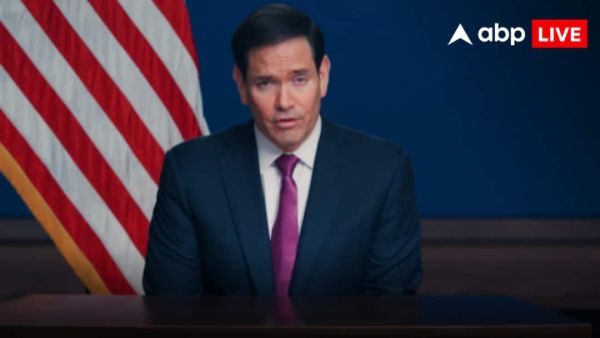
The United States is looking to end the waiver that allowed countries, including India, to purchase Russian oil, US Secretary of State Marco Rubio said on Tuesday.
India was among the key beneficiaries of the waiver, which enabled New Delhi to resume Russian oil imports amid disruptions in global energy supply.
Rubio Says Waiver Was ‘Time-Limited’
Appearing before a US Congress hearing, Rubio said the waiver was introduced as a temporary measure to ease supply disruptions caused by the blockade of the Strait of Hormuz during the ongoing conflict involving the US, Israel and Iran.
“We would like to end it as soon as we possibly can because the underlying policy of this country has been to sanction their oil. These are time-limited waivers for the purpose of opening up more global supply,” Rubio told the Committee.
The US first announced the waiver in March. Since then, it has been extended twice, with the latest extension due to expire on June 17.
Treasury Department To Take Final Call
During the hearing, Democrat ranking member Jeanne Shaheen questioned Rubio about the future of the waiver.
Rubio said the final decision on whether to end the waiver would be taken by the US Treasury Department.
Shaheen also sought clarity on whether the waiver would be extended again, arguing that the measure had benefited Russia despite Washington’s position on sanctions.
When the waiver was initially introduced, the US had said sanctions on seaborne Russian oil would be eased temporarily and maintained that the arrangement would not financially benefit Moscow.
Global Oil Supply Concerns Continue
Rubio said the waiver remained necessary due to continued volatility in global oil prices.
“The problem we're facing, too, is there's a contagion potential, and that is that at some point we can do strategic reserves, we can do some of the other things that we've done to alleviate global supply, but at some point you have to ensure -- this is not so much for us,” he told the Senate Foreign Policy Committee.
The Strait of Hormuz remains a crucial global energy route, handling nearly 20 per cent of the world’s oil and gas supply and around 40 per cent of South Asia’s energy flows.
India’s Russian Oil Purchases Had Earlier Drawn US Criticism
India had earlier faced pressure from the US to reduce purchases of Russian oil after US President Donald Trump imposed an additional 25 per cent tariff, accusing India of “fuelling Putin's war in Ukraine”.
Trump had also repeatedly claimed that Prime Minister Narendra Modi had “assured him” India would stop buying Russian oil.
While there was no official comment from the Indian side on the claim, the commitment was later reflected in a bilateral trade agreement between New Delhi and Washington.
A White House fact sheet had stated, “President Trump agreed to remove the additional 25% tariff on imports from India in recognition of India’s commitment to stop purchasing Russian Federation oil. Accordingly, the President signed an Executive Order last Friday removing that additional 25% tariff.”
Shift Towards Venezuelan Oil
As part of efforts to reduce India’s dependence on Russian oil, the US pushed New Delhi towards Venezuelan crude supplies, particularly after the American military raid that captured Venezuelan President Nicolas Maduro.
However, the outbreak of conflict involving the US, Israel and Iran on February 28 disrupted energy supply routes after Tehran blocked the Strait of Hormuz.
The disruption affected India’s Gulf oil route and prompted Washington to temporarily allow the resumption of Russian oil purchases through the waiver mechanism.
The US, however, has continued to advocate for Venezuelan oil supplies, a push that is expected to gain momentum with interim president Delcy Rodriguez’s visit this week.
ALSO READ: Israel, Hezbollah Agree To Halt Attacks, Claims Trump As Iran Suspends Talks With US