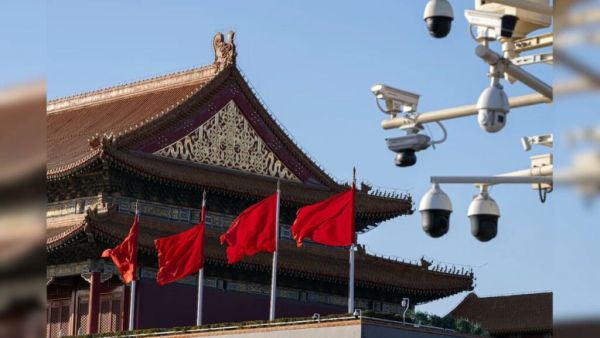
China has significantly expanded its trade secret protection framework by bringing data, algorithms, computer programs and artificial intelligence- technologies under stricter legal safeguards, a move that reflects Beijing’s growing focus on protecting strategic digital assets and preventing technology leaks.
The new Provisions on the Protection of Trade Secretsissued by China’s State Administration for Market Regulation (SAMR), came into effect on June 1, 2026. The regulations represent the most extensive overhaul of China’s trade secret protection regime in nearly three decades and are designed to address challenges emerging from the digital economy and the rapid development of artificial intelligence technologies.
Under the updated rules, trade secret protection now explicitly extends to data, algorithms, source code, computer programs and other commercially valuable digital information. Chinese authorities say these assets have become increasingly important to business competitiveness and national technological development.
The regulations also introduce more detailed provisions aimed at preventing unauthorized disclosure of sensitive information during remote work, cross-border cooperation and digital collaboration. Authorities have outlined specific confidentiality requirements and strengthened enforcement mechanisms against trade secret theft in digital environments.
The move comes as China intensifies efforts to safeguard critical technologies amid growing global competition in artificial intelligence, semiconductor development and advanced manufacturing. Beijing has repeatedly identified AI as a strategic sector linked to national security and economic competitiveness.
According to legal experts and policy analysts, the revised framework broadens the definition of what constitutes a trade secret and provides stronger administrative tools for investigating and penalizing violations. The rules also cover failed research results, technical solutions, business data and proprietary algorithms that possess actual or potential commercial value.
The regulations arrive at a time when concerns over technology transfers, intellectual property protection and AI- information leaks have become increasingly prominent worldwide. Chinese authorities have argued that stronger legal protection is necessary as digital assets become central to modern business operations and innovation ecosystems.
The changes also coincide with broader Chinese efforts to tighten oversight of technology exports, outbound investments and cross-border data transfers. Earlier this week, China announced additional measures aimed at controlling overseas transactions involving sensitive technologies, data and national security interests.
Industry observers believe the updated framework could have significant implications for domestic technology companies, multinational corporations operating in China and firms involved in AI development. Businesses handling proprietary algorithms, machine-learning models and large datasets may now face stricter compliance obligations under the expanded rules.
With artificial intelligence increasingly shaping economic competition and national security policies, China’s latest regulatory changes signal a stronger push to protect valuable technological assets while tightening control over the flow of sensitive digital information.
-
UP Weather Alert: Storm with speed of 90km/h and heavy rain, alert of devastation in these districts of UP

-
Captain Rajat Patidar gets new responsibility, after RCB now he has the responsibility of making this team champion

-
Here IIM will do research on Vaibhav Suryavanshi, on the other hand 15 year old player increased his ad fees

-
FIFA World Cup 2026- You must know these things about FIFA World Cup, let’s know

-
BCCI’s ultimatum to Rohit-Hardik, may be out of Afghanistan series? This work will have to be done for selection