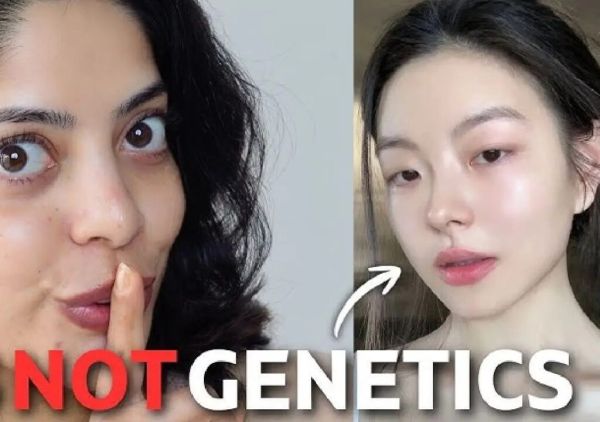
Korean skincare trends such as glass skin, skin flooding, sheet masking, and elaborate multi-step beauty routines have become increasingly popular among Indian consumers. Social media platforms are flooded with skincare recommendations inspired by Korean beauty practices, promising flawless, glowing skin.
However, dermatologists caution that skincare should not be treated as a one-size-fits-all approach. What works well for Korean skin may not necessarily deliver the same results for Indian skin due to differences in genetics, climate, lifestyle, and common skin concerns.
Indian and Korean Skin Have Different Requirements
According to skincare experts, Indian skin typically contains higher levels of melanin, making it more susceptible to:
- Hyperpigmentation
- Tanning
- Melasma
- Post-acne marks
- Uneven skin tone
In contrast, many Korean skincare routines focus heavily on hydration, skin barrier repair, and preventive care. While these goals are beneficial, Indian skin often requires additional attention to pigmentation control and protection from intense sun exposure.
Environmental factors also play a significant role. High temperatures, humidity, pollution, and strong UV radiation in many parts of India create unique skincare challenges that may not be addressed by every Korean beauty trend.
Why Korean Beauty Became So Popular
Dermatologists acknowledge that Korean skincare has positively influenced the global beauty industry by emphasizing skin health rather than simply covering imperfections.
Popular Korean skincare practices have encouraged consumers to focus on:
- Hydration
- Barrier repair
- Consistent sunscreen use
- Gentle skincare habits
Products such as lightweight moisturisers, hydrating toners, ceramide-based creams, and broad-spectrum sunscreens can be highly beneficial for Indian skin when selected according to individual skin needs.
More Products Do Not Mean Better Skin
One of the biggest misconceptions surrounding Korean skincare is the belief that more steps automatically lead to healthier skin.
Experts warn that layering numerous products can sometimes do more harm than good, particularly in hot and humid climates.
Potential issues include:
- Clogged pores
- Acne breakouts
- Skin irritation
- Excess oil production
- Compromised skin barrier
People with sensitive or acne-prone skin should be especially cautious when experimenting with multiple active ingredients simultaneously.
The Importance of Personalised Skincare
Dermatologists stress that skincare routines should be customised based on factors such as:
- Skin type
- Age
- Climate
- Existing skin concerns
- Medical history
Instead of following viral beauty trends blindly, individuals should focus on understanding their own skin’s needs and seek professional advice when necessary.
Sunscreen Remains the Most Important Step
While skincare trends continue to evolve, experts agree that sunscreen remains the foundation of any effective skincare routine.
Daily use of broad-spectrum sunscreen helps protect against:
- Pigmentation
- Sunburn
- Premature ageing
- UV-induced skin damage
- Skin cancer risk
Regardless of the products used, consistent sun protection is considered essential for maintaining healthy skin.
A Simple Routine Often Works Best
Dermatologists often recommend keeping skincare simple and effective.
A basic routine may include:
Morning
- Gentle cleanser
- Lightweight moisturiser
- Broad-spectrum sunscreen (SPF 30 or higher)
Night
- Gentle cleanser
- Moisturiser
- Targeted treatment for specific concerns if needed
This approach can often provide better long-term results than complicated routines involving numerous products.
The Bottom Line
Korean skincare has introduced valuable concepts such as hydration, barrier repair, and preventive skincare. However, experts caution that skincare trends should not replace personalised care.
Indian skin faces unique challenges to pigmentation, sun exposure, humidity, and pollution. Rather than following every viral beauty trend, dermatologists recommend choosing products based on individual skin needs and prioritising essentials such as sunscreen, moisturisation, and professional guidance when required.
Disclaimer: This article is for informational purposes only and should not be considered medical advice. Consult a qualified dermatologist for personalised skincare recommendations.
-
Jhang tragedy sparks nationwide outrage

-
5 Zodiac Signs With Very Good Horoscopes On Thursday, June 11, 2026

-
Over 600K Honda Cars Have Been Recalled In 2026 – Here’s How To See If Yours Is One

-
How To Get Into Gerudo Town in The Legend of Zelda: Breath of the Wild

-
FCC Proposal: Potential New ID Verification Requirements for Mobile Service