Pre-Eclampsia Screening: What's New and What It Means for You
Pregatips | June 1, 2026 11:39 PM CST
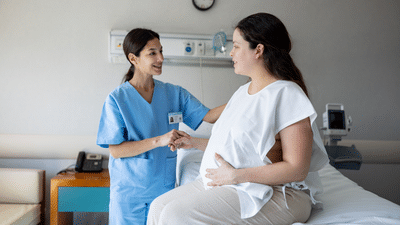
Pre-eclampsia sounds like a sudden crisis in pregnancy, but medically, it builds up slowly over weeks. The earliest changes usually happen deep in the placenta, long before you feel unwell. Earlier, doctors had to wait for visible signs like raised blood pressure, swelling, or protein in urine, so diagnosis often came late.
Research has now moved the focus from reacting to symptoms to predicting risk early. Instead of relying only on what they see in the third trimester, doctors can look at how the placenta is developing and how certain proteins behave in your blood. It is a condition that can often be anticipated and managed in a more controlled way.
What Pre-Eclampsia Actually Is
Pre-eclampsia is a pregnancy-specific condition that usually appears after 20 weeks and involves high blood pressure along with signs that organs such as the kidneys, liver, or brain are under stress. Doctors look for a pattern of elevated readings plus findings like protein in the urine, abnormal liver tests, low platelets, or symptoms such as severe headache and visual changes.
Scientists describe pre-eclampsia as a two-stage condition. In the first stage, early in pregnancy, the blood vessels that supply the placenta do not widen and remodel properly. This leads to reduced blood flow and low oxygen levels in that area. In the second stage, the stressed placenta releases substances into your bloodstream that damage the lining of blood vessels throughout your body. This is what causes high blood pressure, fluid leakage, and organ strain.
Because the first stage is silent, by the time symptoms appear, the disease process is already advanced. Early prediction gives doctors a chance to act before the second stage becomes severe.
Who Is At Higher Risk
Doctors pay special attention to pre-eclampsia risk if you have one or more of these factors:
Key Tests Used To Predict Pre-Eclampsia Early
1. First Trimester Combined Screening
This screening, usually done between 11 and 14 weeks, combines:
2. Placental Growth Factor (PlGF)
PlGF is a protein produced by the placenta that helps blood vessels grow. In healthy pregnancies, its levels rise in the first and second trimester. In many women who later develop pre-eclampsia, PlGF levels are lower than expected.
Low PlGF in early pregnancy can point to poor placental development. Later in pregnancy, PlGF testing is used for women who already have high blood pressure or suspicious symptoms. A low value makes pre-eclampsia more likely, while a normal value makes it less likely in the short term.
3. sFlt-1 to PlGF Ratio
Another important marker is the ratio of sFlt-1, an anti-angiogenic protein, to PlGF. In pre-eclampsia, sFlt-1 levels go up, and PlGF levels go down, so the ratio is high.
A high ratio suggests that the placenta is under significant stress and predicts a higher chance of needing earlier delivery. It helps doctors decide who needs admission and intensive monitoring, especially when blood pressure readings are borderline.
4. Uterine Artery Doppler
This ultrasound looks at the blood flow in the arteries that supply the uterus. High resistance or abnormal wave patterns in these arteries in the first or early second trimester are linked to later pre-eclampsia and fetal growth restriction.
Many fetal medicine units already perform uterine artery Doppler as part of the nuchal translucency scan or anomaly scan. The advantage is that it is non-invasive and can be combined with other ultrasound checks you are already having.
5. Serial Blood Pressure And Mean Arterial Pressure
Even without advanced laboratory tests, carefully tracking blood pressure from early pregnancy is powerful. Instead of looking at a single reading, doctors calculate mean arterial pressure and observe trends. A subtle upward drift in early pregnancy, especially when combined with other risk factors, can signal the need for closer follow-up and possible aspirin therapy.
How Early Prediction Changes Your Care Plan
If screening suggests you are at high risk, your care usually becomes more structured rather than more frightening.

Typical changes include:
What You Can Do Within The Indian Healthcare System
Access to advanced tests varies widely across India. Not every woman will be able to get PlGF or sFlt-1 ratio testing. You can still protect yourself by:
Warning Signs You Should Never Ignore
Even with good screening, you still need to watch for symptoms that suggest pre-eclampsia may be developing. Call your doctor or visit the hospital urgently if you notice:
You did not cause pre-eclampsia. Your role is to stay informed, attend appointments, and speak up when something feels wrong. The medical team’s role is to use the best available science to keep you and your baby safe.
Whether you’re pregnant, a new mom, or navigating postpartum, you don’t have to do it alone. Join our support group to connect, share, and support one another.
FAQs on The New Science of Predicting Pre-Eclampsia Early and How It Can Save MothersIf my screening shows high risk, does that mean I will definitely get pre-eclampsia?
No. Screening tests estimate probability, not certainty. Many women with a high risk result never develop the condition, especially when they take aspirin and are monitored closely.
Can low-dose aspirin harm my baby?
Large studies and international guidelines support the use of low-dose aspirin in high-risk women when started early in pregnancy. It is considered safe at the prescribed dose but should only be taken on your doctor’s advice.
What if my hospital does not have PlGF or sFlt-1 tests?
You can still be well cared for with regular antenatal visits, blood pressure checks, urine tests, and ultrasound monitoring. Combined with your history and simple Doppler studies where available, these tools still allow doctors to identify many women at risk.
Research has now moved the focus from reacting to symptoms to predicting risk early. Instead of relying only on what they see in the third trimester, doctors can look at how the placenta is developing and how certain proteins behave in your blood. It is a condition that can often be anticipated and managed in a more controlled way.
What Pre-Eclampsia Actually Is
Pre-eclampsia is a pregnancy-specific condition that usually appears after 20 weeks and involves high blood pressure along with signs that organs such as the kidneys, liver, or brain are under stress. Doctors look for a pattern of elevated readings plus findings like protein in the urine, abnormal liver tests, low platelets, or symptoms such as severe headache and visual changes.
Scientists describe pre-eclampsia as a two-stage condition. In the first stage, early in pregnancy, the blood vessels that supply the placenta do not widen and remodel properly. This leads to reduced blood flow and low oxygen levels in that area. In the second stage, the stressed placenta releases substances into your bloodstream that damage the lining of blood vessels throughout your body. This is what causes high blood pressure, fluid leakage, and organ strain.
Because the first stage is silent, by the time symptoms appear, the disease process is already advanced. Early prediction gives doctors a chance to act before the second stage becomes severe.
Who Is At Higher Risk
Doctors pay special attention to pre-eclampsia risk if you have one or more of these factors:
- Previous pregnancy with pre-eclampsia, especially if it occurred early or was severe.
- Chronic hypertension before pregnancy.
- Kidney disease, diabetes, or autoimmune conditions like lupus.
- First pregnancy at a later age, particularly above 35.
- Multiple pregnancy, such as twins or triplets.
- High body mass index or obesity before conception.
Key Tests Used To Predict Pre-Eclampsia Early
1. First Trimester Combined Screening
This screening, usually done between 11 and 14 weeks, combines:
- Your age, weight, medical history, and previous pregnancy outcomes.
- Mean arterial pressure, which reflects your average blood pressure.
- Uterine artery Doppler ultrasound, which checks how easily blood is flowing to the placenta.
- Blood tests measuring placental proteins such as PAPP-A and PlGF.
2. Placental Growth Factor (PlGF)
PlGF is a protein produced by the placenta that helps blood vessels grow. In healthy pregnancies, its levels rise in the first and second trimester. In many women who later develop pre-eclampsia, PlGF levels are lower than expected.
Low PlGF in early pregnancy can point to poor placental development. Later in pregnancy, PlGF testing is used for women who already have high blood pressure or suspicious symptoms. A low value makes pre-eclampsia more likely, while a normal value makes it less likely in the short term.
3. sFlt-1 to PlGF Ratio
Another important marker is the ratio of sFlt-1, an anti-angiogenic protein, to PlGF. In pre-eclampsia, sFlt-1 levels go up, and PlGF levels go down, so the ratio is high.
A high ratio suggests that the placenta is under significant stress and predicts a higher chance of needing earlier delivery. It helps doctors decide who needs admission and intensive monitoring, especially when blood pressure readings are borderline.
4. Uterine Artery Doppler
This ultrasound looks at the blood flow in the arteries that supply the uterus. High resistance or abnormal wave patterns in these arteries in the first or early second trimester are linked to later pre-eclampsia and fetal growth restriction.
Many fetal medicine units already perform uterine artery Doppler as part of the nuchal translucency scan or anomaly scan. The advantage is that it is non-invasive and can be combined with other ultrasound checks you are already having.
5. Serial Blood Pressure And Mean Arterial Pressure
Even without advanced laboratory tests, carefully tracking blood pressure from early pregnancy is powerful. Instead of looking at a single reading, doctors calculate mean arterial pressure and observe trends. A subtle upward drift in early pregnancy, especially when combined with other risk factors, can signal the need for closer follow-up and possible aspirin therapy.
How Early Prediction Changes Your Care Plan
If screening suggests you are at high risk, your care usually becomes more structured rather than more frightening.
Typical changes include:
- Starting low-dose aspirin, usually between 12 and 16 weeks.
- Ensuring adequate dietary calcium, or supplements if your intake is low.
- More frequent antenatal visits, with tighter blood pressure control and urine checks.
- Additional ultrasound scans to monitor your baby’s growth and placental blood flow.
- Planning delivery in a hospital with intensive care and neonatal support if a higher risk is confirmed.
What You Can Do Within The Indian Healthcare System
Access to advanced tests varies widely across India. Not every woman will be able to get PlGF or sFlt-1 ratio testing. You can still protect yourself by:
- Booking your first antenatal visit early, ideally in the first trimester.
- Sharing your full history with your doctor, including blood pressure issues or kidney problems.
- Prioritising regular blood pressure checks, urine tests, and the key scans recommended by your doctor.
- Taking low-dose aspirin or calcium exactly as prescribed if your doctor advises them.
Warning Signs You Should Never Ignore
Even with good screening, you still need to watch for symptoms that suggest pre-eclampsia may be developing. Call your doctor or visit the hospital urgently if you notice:
- Severe or persistent headache that does not settle with rest or paracetamol.
- Blurred vision, seeing spots, or temporary loss of vision.
- Sudden swelling of the face, hands, or around the eyes.
- Pain in the upper right side of your abdomen or under the ribs.
- Nausea, vomiting, or feeling very unwell after 20 weeks.
- Shortness of breath, chest pain, or a feeling of tightness.
- Baby movements that are markedly reduced compared to your usual pattern.
- Blood pressure readings at home that are higher than your doctor’s advised limit.
You did not cause pre-eclampsia. Your role is to stay informed, attend appointments, and speak up when something feels wrong. The medical team’s role is to use the best available science to keep you and your baby safe.
Whether you’re pregnant, a new mom, or navigating postpartum, you don’t have to do it alone. Join our support group to connect, share, and support one another.
FAQs on The New Science of Predicting Pre-Eclampsia Early and How It Can Save Mothers
No. Screening tests estimate probability, not certainty. Many women with a high risk result never develop the condition, especially when they take aspirin and are monitored closely.
Large studies and international guidelines support the use of low-dose aspirin in high-risk women when started early in pregnancy. It is considered safe at the prescribed dose but should only be taken on your doctor’s advice.
You can still be well cared for with regular antenatal visits, blood pressure checks, urine tests, and ultrasound monitoring. Combined with your history and simple Doppler studies where available, these tools still allow doctors to identify many women at risk.
READ NEXT
-
European Coach of the Year 2025–26: Luis Enrique, Mikel Arteta and the Top 20 Managers Ranked

-
Wales Final Squad for FIFA World Cup 2022: Rob Page Names Team for Qatar Campaign

-
Can Andoni Iraola Make Liverpool Exciting and Likeable Again?

-
Indiramma houses are for all, including tribals: CM Revanth launches Phase 2

-
Revanth Reddy warns Fadnavis of Telangana Adivasi rebellion on Tummidihatti barrage