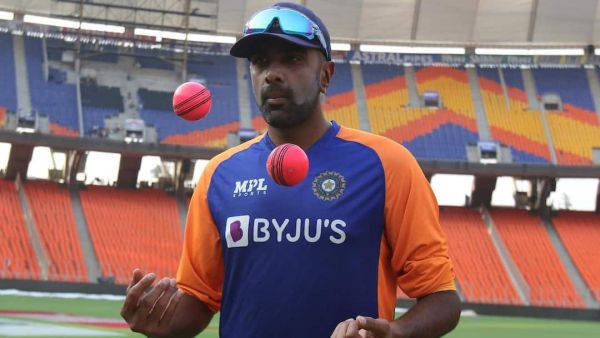
The International Cricket Council has formally approved an experimental playing condition that could fundamentally transform how traditional five-day matches are managed globally. Following extensive administrative board meetings in Ahmedabad, the governing body confirmed a revolutionary trial allowing match officials to switch between different coloured cricket balls during a single fixture to actively combat weather interruptions.
Bad Light Dilemma
For over a century, traditional red-ball international matches have suffered from sudden, highly frustrating stoppages caused by deteriorating afternoon light. Umpires are frequently forced to guide players off the field early to guarantee optimal on-field physical safety.
These abrupt disruptions consistently draw heavy criticism from travelling spectators and broadcasting partners overnight. The global governing body has struggled for decades to find a balanced, practical remedy that preserves the core technical integrity of traditional first-class playing conditions.
The freshly approved experimental protocol tackles this persistent historical issue directly through a highly innovative ball-switching mechanism. Under the new guidelines, match officials can smoothly swap the traditional red leather sphere for a highly visible pink variant.
Consent Clause
This unprecedented tactical transition is not entirely automatic, however. The implementation of the pink-ball trial remains strictly subject to a formal, prior agreement between both competing national team managements before the match officially begins.
If both teams consent, the match referees can deploy the pink ball exclusively during anticipated low-light windows. This strategic adjustment aims to guarantee that live play can continue safely under stadium floodlights without compromising optical visibility.
The regulatory framework represents a massive collaborative effort to eliminate the significant amount of playing time routinely lost to subcontinental weather variations. Both squads must be fully prepared to handle the unique behavioural traits of the secondary ball colour at short notice.
Funding Technical Innovation
The International Cricket Council is not simply altering the rulebooks, they are also backing the initiative with substantial financial resources. The governing body confirmed plans to actively co-fund a dedicated research and development project.
This scientific venture will be conducted alongside the Marylebone Cricket Club, the traditional custodians of the game’s laws. The joint research will focus heavily on assessing advanced stadium lighting technology to assist match officials worldwide.
By improving the specific quality of stadium illumination, administrators hope to establish a thoroughly uniform standard across all global venues. This will ensure that the pink-ball transition feels seamless for batsmen and fielders alike.
Broader Structural Goals
In an official corporate statement released on Monday, the governing body explicitly noted that these experimental updates are aimed directly at enhancing modern international competition structures while fostering broader technological innovation.
The administrative board remains completely determined to modernise the sport without destroying its historic technical foundations. If successful, this dual-ball trial could eventually become a permanent feature of the international cricketing calendar.
With the official trial phase expected to roll out during upcoming bilateral series, cricket enthusiasts will soon witness this historic operational shift firsthand, marking a bold new era for the traditional format.
-
Brazil vs Egypt Score Prediction, Head-to-Head and Stats Ahead of 2026 Friendly Match

-
Curacao vs Aruba Score Prediction, Head-to-Head, and Statistics for the 2026 Friendly Match

-
Venezuela vs Turkey Score Prediction, Head-to-Head and Statistics – 2026 International Friendly

-
Argentina vs Honduras Score Prediction, Head-to-Head and Stats Ahead of 2026 Friendly Match

-
Man kills wife of 13 yrs over disputes, suspicion of infidelity