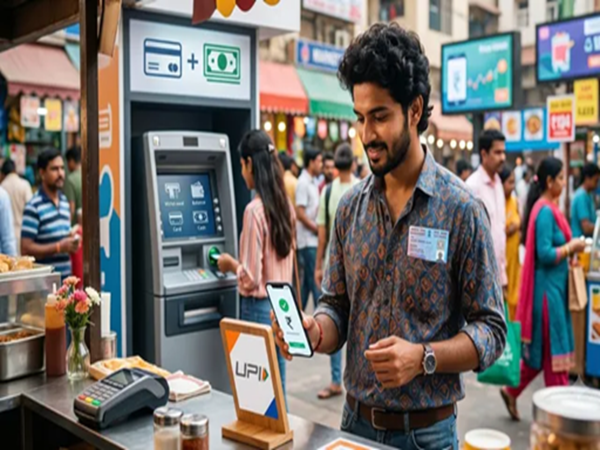
The month of June has begun, and due to several changes taking effect, it is set to impact the lives of common citizens. In fact, starting June 1st, while prices ranging from LPG cylinders to cars have increased, there have also been certain changes regarding UPI payments, ATM transaction fees, and PAN card rules.
Let us walk you through the changes concerning UPI, PAN cards, and ATM transactions that have come into effect as of June 1st.
**Changes in UPI Rules**
As part of a major initiative aimed at eliminating issues such as identity-related fraud and accidental cash transfers, the National Payments Corporation of India (NPCI) is implementing a new transaction security measure across all mobile payment applications (such as Google Pay, PhonePe, and Paytm).
Under this measure, all UPI apps will now be required to display the real, bank-registered name of the beneficiary before processing a payment. This means that instead of just a QR code, mobile number, or user-defined alias, the verified name of the individual or merchant to whom you are sending money will now be displayed.
**New Rules Related to PAN Cards and ATMs**
Regarding changes to PAN card regulations: previously, it was mandatory to provide a PAN card for cash deposits exceeding ₹50,000 in a single day; however, this requirement has now been removed. Conversely, the threshold for mandatory PAN disclosure in property purchase and sale transactions has been raised from ₹10 lakh to ₹20 lakh. Furthermore, PAN reporting requirements will now also apply to aggregate cash withdrawals exceeding ₹10 lakh within a financial year.
Several commercial banking networks are updating their service charge models effective June 1st, with a particular focus on non-home branch services and cash management limits.
**ATM Transactions:** Many major banks are now strictly enforcing the monthly limit on free transactions (typically ranging between 3 and 5). Once this limit is exhausted, the charges applicable for cash withdrawals, mini-statements, and balance inquiries will increase.
Disclaimer: This content has been sourced and edited from Dainik Jagran. While we have made modifications for clarity and presentation, the original content belongs to its respective authors and website. We do not claim ownership of the content.
-
Etala is a curse to BJP: Banners targeting MP surface, party dismisses internaldissent

-
Focus on AP, not Telangana: Ponnam takes jibe at Pawan Kalyan

-
DKS, Siddaramaiah reach Delhi for cabinet talks with Congress high command
-
25-year-old Shahzad Ali lynched in Bihar, family claims brother killed similarly

-
IMAX returns to Hyderabad: Location finally revealed