Toyota has quietly pulled the plug on one of its most ambitious electric vehicle projects, highlighting how even the world’s biggest automakers are adjusting their plans as the EV market enters a more uncertain phase.
According to sources familiar with the matter, the Japanese carmaker has decided to stop development of the production version of the Lexus LF-ZC, a futuristic luxury electric vehicle that was expected to arrive in 2027.
The move comes at a time when enthusiasm for electric vehicles remains strong in some markets but is no longer growing at the pace many manufacturers had anticipated just a few years ago.
A Concept That Promised Lexus’ Electric Future
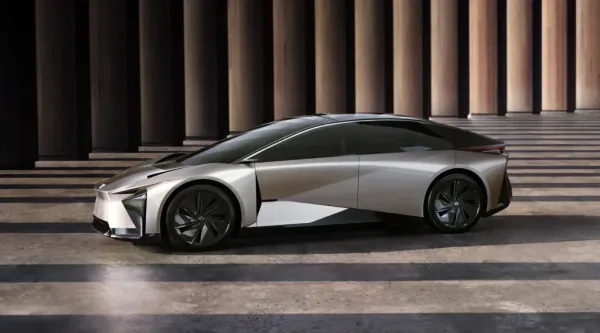
When Lexus unveiled the LF-ZC concept at the Japan Mobility Show in 2023, it was presented as a glimpse into the brand’s next generation. The sleek sedan featured bold styling, advanced software, faster charging capabilities and a longer driving range than many current EVs.
It was more than just a concept car. The LF-ZC was expected to become a flagship model for Lexus as the luxury brand expanded its electric lineup.
Now, those plans appear to have been shelved.
Toyota has not publicly outlined the specific reasons behind the decision, but industry observers say the changing economics of the EV market likely played a major role.
The EV Boom Has Started to Slow
For much of the past decade, automakers raced to announce aggressive electrification targets, convinced that consumer demand would continue rising rapidly.
The reality has become more complicated.
Higher vehicle prices, concerns over charging infrastructure and growing uncertainty around government incentives have caused some buyers to delay the switch from petrol-powered vehicles. In the United States, the removal of certain EV tax incentives has further dampened demand.
As a result, several manufacturers are reassessing their timelines and investment plans rather than pushing ahead with every project on the drawing board.
Toyota Still Seeing Strong EV Sales
Interestingly, Toyota’s decision does not come amid falling sales.
The company sold more than 190,000 electric vehicles globally in 2025, a jump of over 42 percent compared with the previous year. Models such as the bZ4X helped strengthen Toyota’s position in the growing EV segment.
However, Toyota has consistently taken a more measured approach to electrification than many of its competitors. While some rivals have committed heavily to all-electric futures, Toyota has continued investing in hybrids, hydrogen technology and multiple powertrain options.
That strategy is now looking increasingly practical as the pace of EV adoption varies across different regions.
Focus Turns to Breakthrough Technologies
Although the LF-ZC project has been stopped, Toyota is not stepping away from electric vehicles.
The company plans to continue investing in technologies that could make future EVs more attractive and easier to produce. One of the most important areas of focus remains solid-state batteries, which are widely seen as a potential game-changer because of their ability to offer longer range and much faster charging.
Toyota is also advancing gigacasting technology, a manufacturing method that simplifies vehicle production by creating large structural parts in a single cast.
A Sign of Changing Priorities
Toyota is not the only automaker making adjustments. Across the industry, companies are becoming more cautious as they balance long-term electric ambitions with current market realities. Honda recently revised parts of its own EV strategy, acknowledging that the transition to fully electric mobility may take longer than originally expected.
For Toyota, the cancellation of the LF-ZC is less about abandoning electric vehicles and more about choosing where to place its bets.
The company says it will continue responding to changing customer needs while developing vehicles that deliver real value rather than simply chasing industry trends.
In a market that is evolving faster than ever, flexibility may prove just as important as innovation.
-
Australia Announces 26-Man Squad for 2026 World Cup: Mathew Ryan Follows Tim Cahill’s Footsteps

-
Mumbai’s Ashok Vada Pav Ranks 25th Among The World’s Most Iconic Sandwiches

-
Madhuri Dixit came out wearing a saree worth 55 thousand rupees. madhuri dixit wore 55 thousand rupees black saree

-
Does eating raw onion have benefits or harms to the body? Does onion consumption cause intestinal infection? Know in detail

-
IPL 2026 Final: RCB dominates by winning the second consecutive trophy, memes go viral on social media