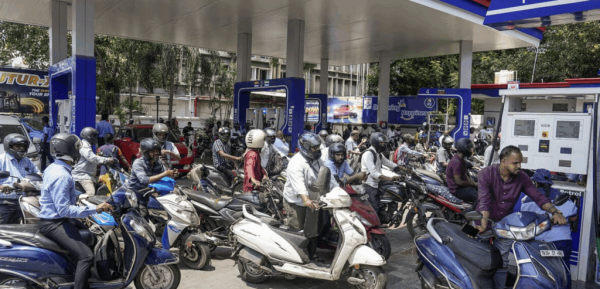
India’s state-owned fuel retailers are witnessing an unprecedented surge in petrol and diesel sales as consumers increasingly move away from private fuel stations and bulk supply channels. The shift comes amid rising fuel prices, disruptions linked to the West Asia conflict, and significant price differences between retail and bulk fuel purchases. According to industry data, public sector fuel pumps operated by Indian Oil, Bharat Petroleum, and Hindustan Petroleum are experiencing sharply higher demand, forcing authorities to closely monitor supply and prevent localized shortages.
Why Are Consumers Shifting To PSU Fuel Pumps?
The primary reason behind the migration is pricing.
Private fuel retailers and bulk diesel suppliers have been charging significantly higher rates compared to public sector retail outlets. As a result, industrial consumers, transport operators, and commercial buyers have increasingly started purchasing fuel from PSU retail pumps instead of their traditional bulk supply channels.
According to government estimates, diesel offtake at private retailers has declined by nearly 38% this month, while PSU bulk customer volumes have fallen by around 29%, with much of that demand shifting to public-sector fuel stations.
The trend has accelerated after state-run oil marketing companies (OMCs) raised petrol and diesel prices four times between May 15 and May 26, increasing prices by a cumulative ₹7.5 per litre. Despite these hikes, retail prices remain below international parity levels, making PSU pumps relatively cheaper.
OMCs Continue To Face Heavy Losses
Even after recent price increases, state-owned OMCs are reportedly still selling fuel below market-linked levels.
Industry estimates suggest oil companies continue to lose around ₹7-8 per litre on petrol and diesel sales and may require crude oil prices to fall to around $85-87 per barrel to break even. Current global crude prices remain above those levels, keeping pressure on company finances.
Before the recent price revisions, OMCs were reportedly losing nearly ₹1,000 crore per day due to elevated crude oil prices and the government’s efforts to shield consumers from the full impact of international energy costs.
Government Moves To Prevent Shortages
The Petroleum Ministry has advised states to form special monitoring teams to curb hoarding, black marketing, and misuse of retail fuel channels. Authorities have specifically warned industrial consumers against purchasing fuel meant for retail customers.
Officials maintain that India has adequate stocks of petrol, diesel, and LPG, and there is currently no nationwide shortage. However, localized pressure has emerged in some regions due to panic buying and the migration of bulk consumers to retail pumps.
West Asia Conflict Adds To Concerns
The ongoing conflict in West Asia and disruptions around the Strait of Hormuz have significantly impacted global energy markets. Since a substantial portion of India’s crude oil imports pass through the region, authorities remain cautious about potential supply disruptions and further price volatility.
The government has been conducting regular reviews of fuel availability while simultaneously directing oil companies to strengthen inventories and maintain uninterrupted supplies across the country.
Summary
Public sector fuel pumps across India are witnessing a sharp rise in petrol and diesel sales as consumers shift away from private retailers and bulk supply channels. Despite recent fuel price hikes of ₹7.5 per litre, state-run OMCs continue to sell fuel below international parity levels, attracting more buyers but also increasing financial pressure on the companies. The government has assured adequate fuel availability while taking steps to prevent hoarding, black marketing, and localized shortages amid ongoing geopolitical uncertainty in West Asia.
-
Four zodiac signs tipped for rising wealth and financial success

-
Fame, money and family questions rise

-
Dad Wants His Parents To Use Their $3 Million Retirement To Pay Daughter’s Tuition

-
Daily Tarot Horoscope For Each Zodiac Sign On Monday, June 1, 2026

-
How Often Should You Fully Shut Down Or Restart Your Laptop?