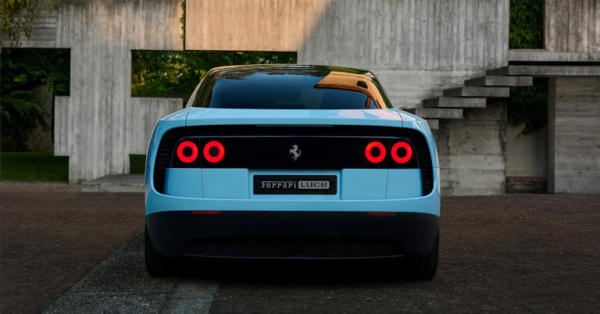
Ferrari’s ambitious leap into the electric future is facing turbulence, and rival luxury automaker Lamborghini believes it made the smarter call by stepping away from fully electric vehicles altogether.
Following intense criticism surrounding the unveiling of Ferrari’s first all-electric car, the Luce, Lamborghini CEO Stephan Winkelmann publicly defended his company’s decision to abandon its own EV roadmap and instead focus on plug-in hybrid technology.
Speaking during a virtual interview with CNBC on Wednesday, Winkelmann said Lamborghini’s move away from all-electric vehicles was based on changing customer sentiment and market realities.
Lamborghini Doubles Down on Hybrid Strategy
Lamborghini had earlier shelved plans for its fully electric Lanzador and an electric version of the Urus SUV. Instead, the company is investing heavily in plug-in hybrid models that still retain the emotional driving experience associated with high-performance supercars.
“Our decision to go from traditional combustion engines to plug-in hybrids was a very important one for us, and it worked out,” Winkelmann said. “By observing the market, we saw that acceptance of EVs among our customers was not increasing.”
While he avoided directly criticizing Ferrari, his remarks made it clear that Lamborghini sees caution, not aggressive electrification, as the safer path for ultra-luxury performance brands.
Winkelmann also stressed that innovation should never feel forced.
“Innovation is paramount,” he said, “but it has to align with customer expectations.”
Ferrari Luce Sparks Design and Identity Debate
Ferrari’s unveiling of the Luce earlier this week triggered an immediate and emotional reaction from enthusiasts, investors, and even former company insiders.
Designed in collaboration with former Apple design chief Jony Ive, the Luce marks a dramatic departure from Ferrari’s traditional design language. The car features a minimalistic interior dominated by screens and a rounded exterior shape that many fans described as “un-Ferrari.”
The backlash was swift.
Shares of Ferrari dropped sharply following the launch event, falling roughly 8% in Milan and more than 5% in New York trading.
Analysts pointed to what some described as “design hate” from Ferrari’s loyal fanbase. Critics argued that the company may have underestimated how emotionally attached customers are to Ferrari’s roaring combustion engines and aggressive styling.
Morningstar strategist Michael Field said many fans believe Ferrari’s move into EVs risks weakening the very identity that made the brand iconic.
Criticism Extends Beyond Investors
The criticism did not stop with the market reaction.
Former Ferrari chairman Luca di Montezemolo reportedly questioned whether the Luce deserved to wear Ferrari’s famous prancing horse badge at all.
Italian Deputy Prime Minister Matteo Salvini also voiced concerns, adding to the growing public debate around the future of Italian performance automotive heritage.
For Ferrari, the Luce was meant to signal innovation and long-term relevance in an increasingly electrified global market. Instead, it has become a flashpoint in a larger industry conversation about whether luxury performance brands can successfully transition to EVs without losing their soul.
Meanwhile, Lamborghini appears confident that blending electrification with traditional performance may offer a more acceptable middle ground for its customers.
As global EV demand slows and automakers rethink aggressive electrification timelines, the Ferrari Luce backlash could become a defining moment for the future of luxury supercars.
-
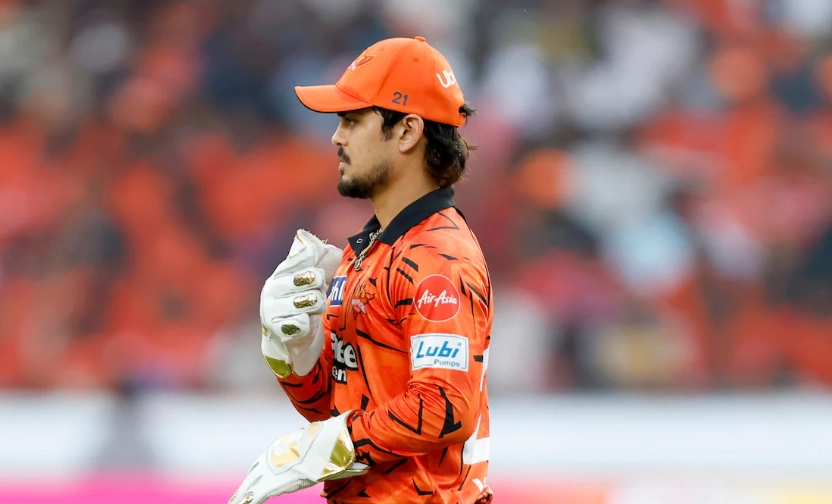
Not Ishan Kishan! Mumbai Indians star becomes most expensive pick in Jharkhand T20 League
-
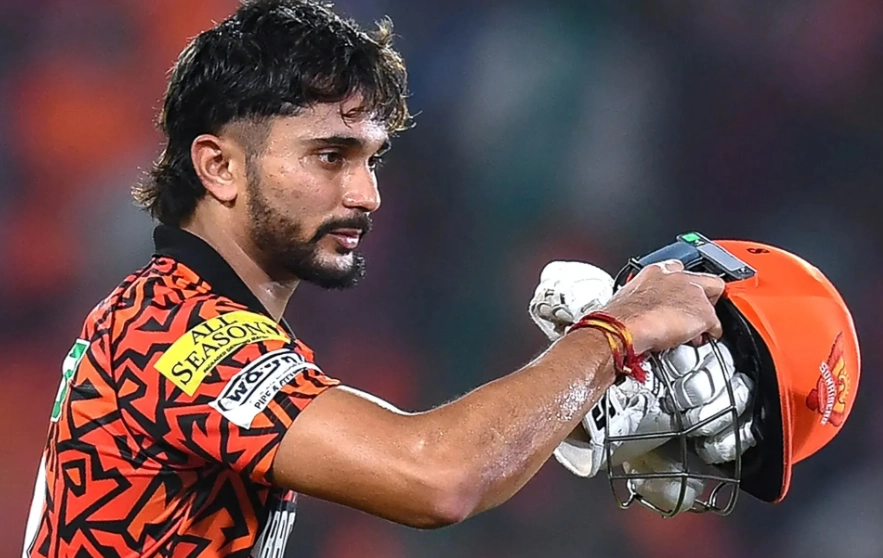
Nitish Kumar Reddy trains players ahead of APL season
-
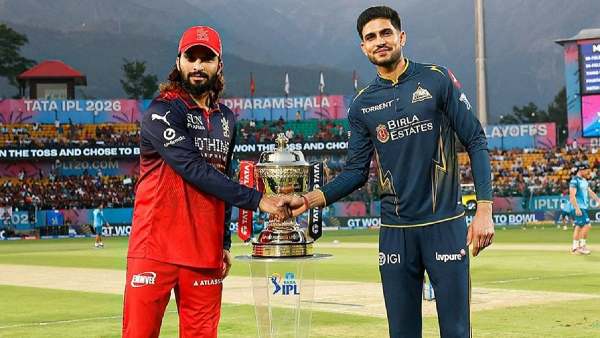
IPL 2026 Final: Rajat Patidar Wins Toss, Opts To Field At Narendra Modi Stadium
-
Nagaland State Lottery Result: May 31, 2026, 8 PM Live - Watch Streaming Of Winners List Of Dear Magic Sambad Night Sunday Weekly Draw
-
IPL 2026 Final: Kailash Kher Might Perform; Varun Dhawan, Mrunal Thakur, Pooja Hegde To Attend RCB vs GT Match In Ahmedabad