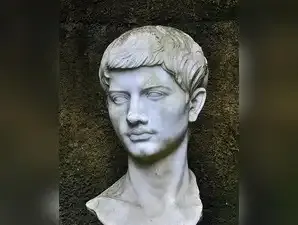
Wars, fallen empires, gods, destiny and men struggling against their own hearts — the poetry of Virgil has survived for more than 2,000 years because it understood something timeless about human nature. Long before modern psychology tried to explain obsession, ambition and emotional conflict, the Roman poet was already asking a dangerous question about desire itself.
One of his most powerful reflections appears in the line:
“Do the gods light this fire in our hearts or does each man's mad desire become his god?”
The quote feels surprisingly modern because it captures a conflict that still defines human life today. Are people guided by something greater than themselves, or are they simply consumed by their own ambitions, passions and obsessions until those desires control everything?
The line comes from a writer whose poetry was shaped by war, political collapse and the search for meaning in chaotic times. Virgil did not simply write about heroes. He wrote about the emotional cost of becoming one.
Born in 70 BCE near Mantua in Italy, Virgil lived during one of the most violent and unstable periods in Roman history. Civil wars repeatedly tore apart the Roman Republic as powerful figures like Julius Caesar, Pompey and Augustus battled for control.
While many writers celebrated conquest and glory, Virgil often focused on grief, sacrifice and emotional suffering beneath political ambition. His greatest work, the Aeneid, told the story of Aeneas, a Trojan hero destined to lay the foundations for what would eventually become Rome.
But unlike traditional heroic epics, Virgil’s poetry constantly questioned the emotional price of destiny. That tension is exactly what makes the quote so memorable. The line asks whether human beings truly control their desires or whether desire itself eventually becomes something worshipped like a god.
Why this quote still feels painfully relevant today
The reason the quote continues to resonate is because modern life is filled with people chasing desires that slowly begin to control them.
Success, fame, relationships, wealth, validation, power — many ambitions begin as healthy motivation. But sometimes the pursuit itself becomes consuming. People sacrifice relationships, peace of mind and even their identity trying to satisfy desires that never fully disappear.
Virgil understood that dangerous transformation centuries ago. The quote also explores how easily human beings justify obsession. When people want something badly enough, they often convince themselves that their pursuit is noble, necessary or even destined. Over time, the desire stops feeling like a choice and starts feeling like fate.
That emotional conflict appears repeatedly throughout the Aeneid. Virgil’s heroes are not fearless conquerors untouched by emotion. They are exhausted, conflicted people struggling between duty, love, grief and ambition.
In many ways, Virgil’s poetry feels less like mythology and more like psychological storytelling.
What does Virgil’s quote teach us about obsession and self-awareness?
The quote survives because it forces readers to confront an uncomfortable truth: people are not always ruled by logic. Sometimes emotions become so intense that they reshape priorities, relationships and morality itself. A person may begin believing they control their desires, only to realise later that the desire has been controlling them all along.
Virgil does not provide an easy answer to the question. That ambiguity is what gives the line its power. The “fire in our hearts” could represent inspiration, love, purpose and divine calling. But it could also represent destructive obsession, pride or blind ambition. The line exists in the uncomfortable space between passion and self-destruction.
That balance appears throughout Virgil’s work. Even when celebrating Rome’s rise, he never ignores the suffering required to build empires or fulfill destinies. His poetry repeatedly reminds readers that glory and pain often exist together.
Virgil’s influence still shapes literature and culture today
Virgil became one of the most influential poets in history because later generations saw both beauty and humanity in his writing. His work influenced countless writers including Dante Alighieri, who famously chose Virgil as his guide through Hell and Purgatory in the Divine Comedy.
Centuries later, writers like John Milton and Alfred, Lord Tennyson continued drawing inspiration from Virgil’s emotional depth and poetic style.
What makes his work endure is not simply historical importance. It is the emotional honesty beneath the grandeur.
Virgil understood that human beings are often torn between reason and desire, between duty and longing, between what they should do and what they desperately want.
Today, as motivational culture constantly pushes people toward endless ambition and achievement, Virgil’s quote feels more relevant than ever. It reminds readers that not every burning desire deserves worship. Sometimes the greatest danger is not the fire itself — but the moment someone mistakes it for a god.
Quote of the Day by Virgil:
One of his most powerful reflections appears in the line:
“Do the gods light this fire in our hearts or does each man's mad desire become his god?”
The quote feels surprisingly modern because it captures a conflict that still defines human life today. Are people guided by something greater than themselves, or are they simply consumed by their own ambitions, passions and obsessions until those desires control everything?
The line comes from a writer whose poetry was shaped by war, political collapse and the search for meaning in chaotic times. Virgil did not simply write about heroes. He wrote about the emotional cost of becoming one.
Virgil’s words were born from an age of political chaos
Born in 70 BCE near Mantua in Italy, Virgil lived during one of the most violent and unstable periods in Roman history. Civil wars repeatedly tore apart the Roman Republic as powerful figures like Julius Caesar, Pompey and Augustus battled for control.
While many writers celebrated conquest and glory, Virgil often focused on grief, sacrifice and emotional suffering beneath political ambition. His greatest work, the Aeneid, told the story of Aeneas, a Trojan hero destined to lay the foundations for what would eventually become Rome.
But unlike traditional heroic epics, Virgil’s poetry constantly questioned the emotional price of destiny. That tension is exactly what makes the quote so memorable. The line asks whether human beings truly control their desires or whether desire itself eventually becomes something worshipped like a god.
Why this quote still feels painfully relevant today
The reason the quote continues to resonate is because modern life is filled with people chasing desires that slowly begin to control them.
Success, fame, relationships, wealth, validation, power — many ambitions begin as healthy motivation. But sometimes the pursuit itself becomes consuming. People sacrifice relationships, peace of mind and even their identity trying to satisfy desires that never fully disappear.
Virgil understood that dangerous transformation centuries ago. The quote also explores how easily human beings justify obsession. When people want something badly enough, they often convince themselves that their pursuit is noble, necessary or even destined. Over time, the desire stops feeling like a choice and starts feeling like fate.
That emotional conflict appears repeatedly throughout the Aeneid. Virgil’s heroes are not fearless conquerors untouched by emotion. They are exhausted, conflicted people struggling between duty, love, grief and ambition.
In many ways, Virgil’s poetry feels less like mythology and more like psychological storytelling.
What does Virgil’s quote teach us about obsession and self-awareness?
The quote survives because it forces readers to confront an uncomfortable truth: people are not always ruled by logic. Sometimes emotions become so intense that they reshape priorities, relationships and morality itself. A person may begin believing they control their desires, only to realise later that the desire has been controlling them all along.
Virgil does not provide an easy answer to the question. That ambiguity is what gives the line its power. The “fire in our hearts” could represent inspiration, love, purpose and divine calling. But it could also represent destructive obsession, pride or blind ambition. The line exists in the uncomfortable space between passion and self-destruction.
That balance appears throughout Virgil’s work. Even when celebrating Rome’s rise, he never ignores the suffering required to build empires or fulfill destinies. His poetry repeatedly reminds readers that glory and pain often exist together.
Virgil’s influence still shapes literature and culture today
Virgil became one of the most influential poets in history because later generations saw both beauty and humanity in his writing. His work influenced countless writers including Dante Alighieri, who famously chose Virgil as his guide through Hell and Purgatory in the Divine Comedy.
Centuries later, writers like John Milton and Alfred, Lord Tennyson continued drawing inspiration from Virgil’s emotional depth and poetic style.
What makes his work endure is not simply historical importance. It is the emotional honesty beneath the grandeur.
Virgil understood that human beings are often torn between reason and desire, between duty and longing, between what they should do and what they desperately want.
Today, as motivational culture constantly pushes people toward endless ambition and achievement, Virgil’s quote feels more relevant than ever. It reminds readers that not every burning desire deserves worship. Sometimes the greatest danger is not the fire itself — but the moment someone mistakes it for a god.