
Listen to this article in summarized format
Loading...
××
Subscribe to

Unlock AI Briefing and Premium Content
New Year Offer 24 Hours Left
Subscribe NowAlready a member? Sign In
What's Included
- Exclusive Stories
- Daily ePaper Access
- Smart Market Tools
- Curated Investment Ideas
- Ad-lite Experience
Subscription

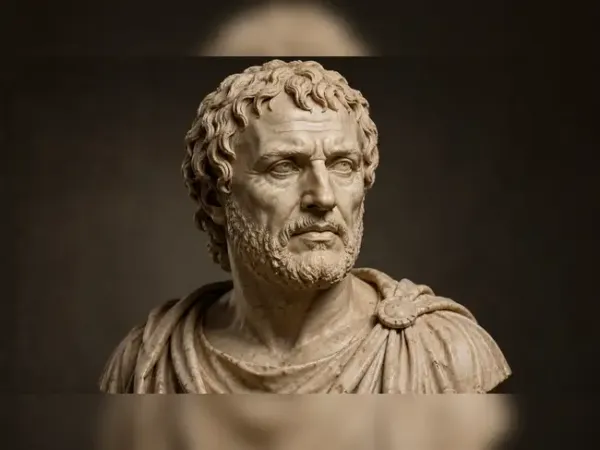
Quote of the Day: Long before modern conversations about anxiety, overthinking and emotional burnout, Roman philosopher Seneca the Younger was already examining the human tendency to suffer twice, once in imagination and again in reality. A statesman, playwright, adviser to Emperor Nero and one of the defining voices of Stoic philosophy, Seneca spent much of his life surrounded by political instability, betrayal and fear. Yet his writings repeatedly urged people to master their emotions rather than become prisoners of them. Across centuries, his reflections continue to resonate because they confront a timeless habit: the way people exhaust themselves worrying about disasters that may never happen at all.
The quote, attributed to Seneca the Younger, has become one of the most widely shared Stoic observations about anxiety and anticipation. Though written nearly 2,000 years ago, the line feels remarkably modern.
At its heart, the quote challenges a behaviour many people recognise instantly, mentally rehearsing pain before life actually demands it.
His life, however, was marked by instability. He survived exile under Emperor Claudius, later became tutor to the future emperor Nero, and eventually emerged as one of the most powerful men in Rome during the early years of Nero’s reign.
But influence in imperial Rome came with danger. Seneca navigated conspiracies, shifting loyalties and violent political rivalries. Eventually, after being accused of involvement in a plot against Nero, he was ordered to take his own life in 65 CE.
Despite the brutality surrounding him, Seneca’s philosophical works often focused on calmness, self-control and emotional discipline. His essays and letters explored anger, grief, fear, time and the pursuit of inner peace. Those writings later influenced Christian thinkers, Renaissance scholars and modern self-help philosophy alike.
According to Seneca, human beings frequently intensify their own misery through fear and mental projection. Instead of dealing with problems when they arrive, people often begin emotionally experiencing them far in advance.
That habit turns one moment of suffering into many.
Someone waiting for medical test results may spend days imagining the worst outcome. A person fearing failure may mentally live through humiliation before even attempting something. Another may repeatedly replay possible rejection, conflict or loss in their mind long before reality confirms anything.
Seneca’s point is not that suffering can be avoided entirely. Rather, he argues that unnecessary emotional torment often comes from anticipation itself. The quote reflects a core Stoic belief: people cannot fully control external events, but they can control their reactions to those events.
Psychologists today frequently discuss catastrophising, the tendency to assume the worst possible outcome before evidence exists. Seneca identified a version of that behaviour centuries ago.
His quote resonates because many people now live inside imagined futures instead of present realities.
A single unanswered text message becomes a relationship crisis. One professional setback feels like permanent failure. A minor health concern spirals into panic after late-night internet searches.
Seneca’s warning cuts through that cycle with brutal simplicity: much of human suffering is self-created through premature fear.
Unlike the modern misunderstanding of “stoic” as emotionally cold, Stoicism actually focused on emotional balance and rational clarity. Stoic thinkers believed fear, anger and despair often grow stronger when people surrender completely to impulse and imagination.
Seneca repeatedly argued that people waste enormous amounts of life fearing future pain instead of engaging with the present moment.
In many ways, the quote anticipates modern mindfulness practices. It encourages attention to reality rather than hypothetical disaster. It asks people to separate genuine problems from imagined ones.
That does not mean ignoring danger or pretending difficulties do not exist. Instead, it means refusing to emotionally collapse before circumstances require it.
In each case, anticipation magnifies emotional strain.
Seneca’s observation encourages resilience by narrowing focus to what is real and immediate. It suggests that strength often lies in waiting until a challenge truly arrives before surrendering emotional energy to it.
Ironically, that mindset can make people more capable during actual crises. Those who conserve emotional stability are often better equipped to respond rationally when difficulties finally appear.
Today, the quote circulates widely online because it captures something universal in just a few words: people often suffer not only from reality, but from imagination.
And in an age driven by constant prediction, endless scrolling and emotional overstimulation, Seneca’s ancient advice may feel more necessary than ever, suffer when life truly asks it of you, not every moment before.
Quote of the day today
“He suffers more than necessary, who suffers before it is necessary.”The quote, attributed to Seneca the Younger, has become one of the most widely shared Stoic observations about anxiety and anticipation. Though written nearly 2,000 years ago, the line feels remarkably modern.
At its heart, the quote challenges a behaviour many people recognise instantly, mentally rehearsing pain before life actually demands it.
The philosopher who lived amid power and danger
Seneca was not a philosopher removed from conflict. Born in Córdoba in Roman Spain around 4 BCE, he rose to prominence during one of the most turbulent eras of the Roman Empire. He was educated in rhetoric and philosophy in Rome and became known for his intellect, eloquence and political influence.His life, however, was marked by instability. He survived exile under Emperor Claudius, later became tutor to the future emperor Nero, and eventually emerged as one of the most powerful men in Rome during the early years of Nero’s reign.
But influence in imperial Rome came with danger. Seneca navigated conspiracies, shifting loyalties and violent political rivalries. Eventually, after being accused of involvement in a plot against Nero, he was ordered to take his own life in 65 CE.
Despite the brutality surrounding him, Seneca’s philosophical works often focused on calmness, self-control and emotional discipline. His essays and letters explored anger, grief, fear, time and the pursuit of inner peace. Those writings later influenced Christian thinkers, Renaissance scholars and modern self-help philosophy alike.
Quote of the day meaning
The quote speaks directly to anticipatory suffering, the pain people create by imagining future disasters before they occur.According to Seneca, human beings frequently intensify their own misery through fear and mental projection. Instead of dealing with problems when they arrive, people often begin emotionally experiencing them far in advance.
That habit turns one moment of suffering into many.
Someone waiting for medical test results may spend days imagining the worst outcome. A person fearing failure may mentally live through humiliation before even attempting something. Another may repeatedly replay possible rejection, conflict or loss in their mind long before reality confirms anything.
Seneca’s point is not that suffering can be avoided entirely. Rather, he argues that unnecessary emotional torment often comes from anticipation itself. The quote reflects a core Stoic belief: people cannot fully control external events, but they can control their reactions to those events.
Why the quote feels especially relevant today
Modern life often encourages constant anticipation. News alerts, social media feeds and nonstop digital communication keep people mentally connected to future uncertainty at all hours. Economic fears, relationship anxieties, career pressures and global crises create an environment where worry rarely switches off completely.Psychologists today frequently discuss catastrophising, the tendency to assume the worst possible outcome before evidence exists. Seneca identified a version of that behaviour centuries ago.
His quote resonates because many people now live inside imagined futures instead of present realities.
A single unanswered text message becomes a relationship crisis. One professional setback feels like permanent failure. A minor health concern spirals into panic after late-night internet searches.
Seneca’s warning cuts through that cycle with brutal simplicity: much of human suffering is self-created through premature fear.
Stoicism and the art of emotional restraint
Seneca belonged to the Stoic school of philosophy, which taught that peace comes not from controlling the world but from controlling one’s response to it.Unlike the modern misunderstanding of “stoic” as emotionally cold, Stoicism actually focused on emotional balance and rational clarity. Stoic thinkers believed fear, anger and despair often grow stronger when people surrender completely to impulse and imagination.
Seneca repeatedly argued that people waste enormous amounts of life fearing future pain instead of engaging with the present moment.
In many ways, the quote anticipates modern mindfulness practices. It encourages attention to reality rather than hypothetical disaster. It asks people to separate genuine problems from imagined ones.
That does not mean ignoring danger or pretending difficulties do not exist. Instead, it means refusing to emotionally collapse before circumstances require it.
A lesson beyond philosophy
The quote also carries practical wisdom beyond intellectual debate. Parents worry about children before problems arise. Students panic before exams. Workers dread conversations before they happen. Athletes imagine failure before competition even begins.In each case, anticipation magnifies emotional strain.
Seneca’s observation encourages resilience by narrowing focus to what is real and immediate. It suggests that strength often lies in waiting until a challenge truly arrives before surrendering emotional energy to it.
Ironically, that mindset can make people more capable during actual crises. Those who conserve emotional stability are often better equipped to respond rationally when difficulties finally appear.
The lasting influence of Seneca’s words
Seneca’s works survived long after the Roman Empire collapsed because they addressed psychological struggles that remain deeply human. His essays influenced writers from William Shakespeare to Michel de Montaigne, and modern readers continue turning to Stoicism during periods of uncertainty.Today, the quote circulates widely online because it captures something universal in just a few words: people often suffer not only from reality, but from imagination.
And in an age driven by constant prediction, endless scrolling and emotional overstimulation, Seneca’s ancient advice may feel more necessary than ever, suffer when life truly asks it of you, not every moment before.