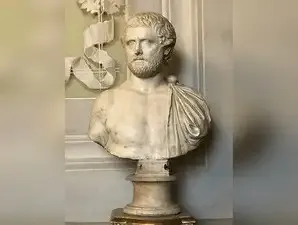
Love, heartbreak, exile, desire, regret and emotional chaos, few writers explored the human mind as deeply as the Roman poet Ovid. Nearly 2,000 years after his death, his words continue to feel surprisingly modern, especially in an age where anxiety, overthinking and emotional burnout dominate everyday life.
Quote of the Day by Ovid
One of Ovid’s most powerful reflections on inner peace remains strikingly relevant even today: “Happy is the man who has broken the chains which hurt the mind, and has given up worrying once and for all.”
The quote may have been written centuries ago, but its emotional truth feels timeless. In a world filled with constant pressure, uncertainty and mental exhaustion, Ovid’s words capture a universal human struggle, the desire to free ourselves from the thoughts that quietly imprison us.
A poet who understood emotional conflict better than most
Ovid was not simply a writer of mythology and romance. Beneath the elegance of his poetry was a man who deeply understood emotional instability, insecurity and the fragile nature of happiness.
Born in 43 BCE in Sulmo, Italy, Ovid became one of the most celebrated poets of ancient Rome. His famous works, including Metamorphoses, Ars Amatoria and Tristia, explored themes of love, transformation, obsession and suffering. His writing often examined how emotions could both inspire and destroy people.
But Ovid’s own life eventually mirrored the sadness and uncertainty found in many of his poems. At the height of his success, he was suddenly exiled by Emperor Augustus to the distant town of Tomis near the Black Sea. The punishment shattered the luxurious Roman life he once knew and left him emotionally isolated for the rest of his life.
That personal pain gives this particular quote even greater depth. Ovid was not speaking as someone untouched by suffering. He understood what it meant to live with fear, regret and emotional torment.
“Happy is the man who has broken the chains which hurt the mind, and has given up worrying once and for all.”
The power of the quote lies in how honestly it describes mental suffering. Ovid compares destructive thoughts to chains, invisible restraints that trap people emotionally even when nothing physical is holding them back.
For many people today, those “chains” can take different forms: anxiety about the future, guilt from the past, fear of failure, relationship stress or the exhausting pressure to constantly succeed. Modern life has made worrying almost feel normal. Social media, financial uncertainty and emotional isolation often leave people mentally overwhelmed.
Ovid’s words suggest that real happiness does not come from wealth, power or success. It comes from learning how to release the thoughts that consume the mind.
That message feels especially powerful because it does not sound dramatic or unrealistic. Ovid does not promise a perfect life free of problems. Instead, he focuses on emotional freedom — the ability to stop letting fear control every moment of existence.
One of the reasons the quote continues to resonate is because it highlights a difficult truth: many people become prisoners of their own minds without even realising it.
Worry often disguises itself as responsibility or preparation. People convince themselves that constant overthinking somehow protects them from disappointment or failure. But in reality, endless worry slowly drains joy, confidence and peace of mind.
Ovid’s quote reminds readers that happiness sometimes begins not by gaining something new, but by letting something go.
The line also reflects a deeper philosophical idea present throughout much of Roman literature and Stoic thinking, that human beings cannot always control external events, but they can learn to control their emotional response to them. That does not mean ignoring pain or pretending problems do not exist. Instead, it means refusing to let fear dominate life completely.
Ironically, Ovid himself struggled deeply with sadness during his exile. In works like Tristia, he openly wrote about loneliness, grief and despair after being banished from Rome. Yet even in suffering, he continued searching for meaning through poetry and reflection. That emotional honesty is one reason his writing still feels human centuries later.
Over time, Ovid became one of the most influential literary figures in Western history. His stories inspired generations of writers and artists, including William Shakespeare, Geoffrey Chaucer and Johann Wolfgang von Goethe.
His masterpiece Metamorphoses helped shape how later generations understood Greek and Roman mythology. But beyond mythology, Ovid’s real strength was his understanding of human emotion. He wrote about love, fear, jealousy, ambition and sorrow in ways that still feel deeply personal.
Today, as conversations around mental health and emotional wellbeing continue growing worldwide, Ovid’s quote feels more relevant than ever. Not because it offers a perfect solution to suffering, but because it captures a truth most people recognise instantly. Sometimes the heaviest chains are the ones carried silently inside the mind. And sometimes the greatest freedom comes from finally learning how to let them go.
Quote of the Day by Ovid
One of Ovid’s most powerful reflections on inner peace remains strikingly relevant even today: “Happy is the man who has broken the chains which hurt the mind, and has given up worrying once and for all.”
The quote may have been written centuries ago, but its emotional truth feels timeless. In a world filled with constant pressure, uncertainty and mental exhaustion, Ovid’s words capture a universal human struggle, the desire to free ourselves from the thoughts that quietly imprison us.
A poet who understood emotional conflict better than most
Ovid was not simply a writer of mythology and romance. Beneath the elegance of his poetry was a man who deeply understood emotional instability, insecurity and the fragile nature of happiness.
Born in 43 BCE in Sulmo, Italy, Ovid became one of the most celebrated poets of ancient Rome. His famous works, including Metamorphoses, Ars Amatoria and Tristia, explored themes of love, transformation, obsession and suffering. His writing often examined how emotions could both inspire and destroy people.
But Ovid’s own life eventually mirrored the sadness and uncertainty found in many of his poems. At the height of his success, he was suddenly exiled by Emperor Augustus to the distant town of Tomis near the Black Sea. The punishment shattered the luxurious Roman life he once knew and left him emotionally isolated for the rest of his life.
That personal pain gives this particular quote even greater depth. Ovid was not speaking as someone untouched by suffering. He understood what it meant to live with fear, regret and emotional torment.
Why Ovid’s quote still resonates today
“Happy is the man who has broken the chains which hurt the mind, and has given up worrying once and for all.”
The power of the quote lies in how honestly it describes mental suffering. Ovid compares destructive thoughts to chains, invisible restraints that trap people emotionally even when nothing physical is holding them back.
For many people today, those “chains” can take different forms: anxiety about the future, guilt from the past, fear of failure, relationship stress or the exhausting pressure to constantly succeed. Modern life has made worrying almost feel normal. Social media, financial uncertainty and emotional isolation often leave people mentally overwhelmed.
Ovid’s words suggest that real happiness does not come from wealth, power or success. It comes from learning how to release the thoughts that consume the mind.
That message feels especially powerful because it does not sound dramatic or unrealistic. Ovid does not promise a perfect life free of problems. Instead, he focuses on emotional freedom — the ability to stop letting fear control every moment of existence.
What does the quote teach us about peace and emotional freedom?
One of the reasons the quote continues to resonate is because it highlights a difficult truth: many people become prisoners of their own minds without even realising it.
Worry often disguises itself as responsibility or preparation. People convince themselves that constant overthinking somehow protects them from disappointment or failure. But in reality, endless worry slowly drains joy, confidence and peace of mind.
Ovid’s quote reminds readers that happiness sometimes begins not by gaining something new, but by letting something go.
The line also reflects a deeper philosophical idea present throughout much of Roman literature and Stoic thinking, that human beings cannot always control external events, but they can learn to control their emotional response to them. That does not mean ignoring pain or pretending problems do not exist. Instead, it means refusing to let fear dominate life completely.
Ironically, Ovid himself struggled deeply with sadness during his exile. In works like Tristia, he openly wrote about loneliness, grief and despair after being banished from Rome. Yet even in suffering, he continued searching for meaning through poetry and reflection. That emotional honesty is one reason his writing still feels human centuries later.
Ovid’s influence continues across literature and culture
Over time, Ovid became one of the most influential literary figures in Western history. His stories inspired generations of writers and artists, including William Shakespeare, Geoffrey Chaucer and Johann Wolfgang von Goethe.
His masterpiece Metamorphoses helped shape how later generations understood Greek and Roman mythology. But beyond mythology, Ovid’s real strength was his understanding of human emotion. He wrote about love, fear, jealousy, ambition and sorrow in ways that still feel deeply personal.
Today, as conversations around mental health and emotional wellbeing continue growing worldwide, Ovid’s quote feels more relevant than ever. Not because it offers a perfect solution to suffering, but because it captures a truth most people recognise instantly. Sometimes the heaviest chains are the ones carried silently inside the mind. And sometimes the greatest freedom comes from finally learning how to let them go.