A leafy indoor plant may look like the perfect housewarming or festive gift, but for pet owners, some popular plants can quietly turn dangerous. Curious cats and playful dogs often nibble on leaves, dig into pots, or chew stems out of habit, and certain decorative plants can trigger vomiting, breathing trouble, irritation, or even severe poisoning in animals. While many people focus on aesthetics and low maintenance when gifting plants, checking whether they are pet-safe is just as important. Here are six common indoor plants that should never be gifted to homes with pets.
Peace lily
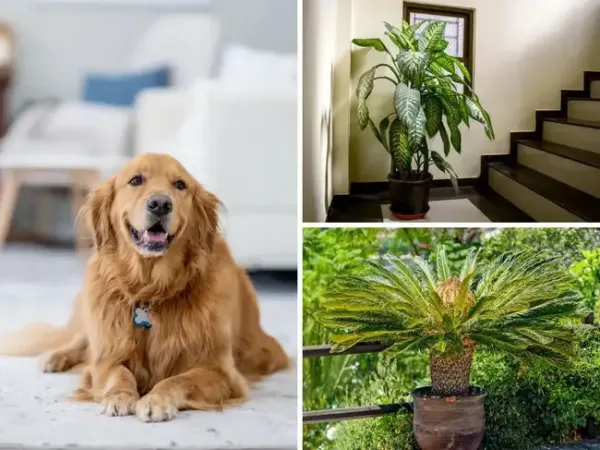
Despite its elegant appearance and reputation as an easy-care indoor plant, the peace lily can be harmful to both cats and dogs. It contains calcium oxalate crystals that can irritate a pet’s mouth, tongue, and throat if chewed. Symptoms may include drooling, vomiting, pawing at the mouth, and difficulty swallowing. Since cats are especially drawn to leafy plants, peace lilies can become a serious risk in pet-friendly homes.
Sago palm
The sago palm is one of the most dangerous decorative plants for pets, especially dogs. Every part of the plant is toxic, but the seeds are particularly harmful. Ingesting even a small amount can lead to severe vomiting, diarrhoea, liver damage, seizures, and, in some cases, can become fatal. Although it is often used as a stylish indoor statement plant, it should never be gifted to homes with animals.
Aloe vera
Aloe vera is widely praised for its medicinal and skincare benefits, but it is not pet-friendly. The gel inside the leaves is generally safe for humans, yet the outer part of the plant contains compounds that can upset a pet’s digestive system. Cats and dogs that consume aloe vera may suffer from vomiting, lethargy, diarrhoea, and tremors.
Pothos
Pothos, often called money plant, is one of the most common indoor plants because of its trailing vines and low-maintenance nature. But it can irritate pets if ingested. The plant contains insoluble calcium oxalates that can cause burning sensations in the mouth, drooling, vomiting, and swelling. Since pothos is frequently placed on low shelves or hanging baskets, pets can easily access it.
Philodendron
Philodendrons are loved for their tropical appearance and ability to thrive indoors with little effort. However, they can be toxic to pets due to the same calcium oxalate crystals found in several other indoor plants. Chewing on the leaves may cause mouth irritation, swelling, vomiting, and discomfort in cats and dogs.
Dieffenbachia
Also known as dumb cane, dieffenbachia is popular for its lush green leaves and striking patterns. However, it is toxic to pets and can cause intense oral irritation if bitten. Dogs and cats that chew on the plant may experience swelling in the mouth, excessive drooling, vomiting, and temporary difficulty eating or breathing. Even a small bite can cause discomfort.


Subscription