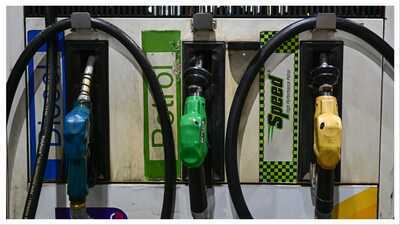
New Delhi: Globalcrude oil prices have slipped to the $100-per-barrel mark after weeks of turmoil linked to the ongoing Middle East crisis. Though the oil prices have reduced globally, Indian consumers are still facing hikes in petrol and diesel prices repeatedly.
With the hopes of Iran and the US reaching a peace deal, the global crude oil prices moved 6% lower as it was trading at $90.80 per barrel, while Brent crude slipped to 5.64% to $97.70 per barrel, falling by $ 5.84 % by 11:15 am.
In fact, the fuel prices in India have been increased four times in less than two weeks, with petrol prices increased by nearly Rs 8 per litre during this period, which has left the consumers asking a simple question: why are petrol and diesel getting costlier in India if crude prices are falling globally?
India’s fuel pricing system depends on several other factors beyond just global benchmarks. One major reason is that oil companies are still trying to balance the losses they absorbed when crude prices had earlier surged close to $120 per barrel during the peak of tensions in West Asia.
At that time, state-run oil marketing companies did not fully pass on the burden to consumers immediately. Instead, firms continued selling petrol and diesel at relatively controlled prices despite paying more for imported crude.
Why crude below $100 is still expensive for India?Although oil prices have fallen from recent highs, crude at around $100 per barrel is still considered expensive for a country like India which imports nearly 85 per cent of its crude oil needs.
That means even a small jump in international prices can significantly impact the country’s import bill. So while global markets may be celebrating the recent decline, India is still dealing with elevated fuel costs compared to long-term averages.
The weakening rupee has added another layer of pressure. Since crude oil is priced in US dollars, a weaker Indian currency makes imports more expensive for refiners. Even if global crude prices soften, Indian companies end up paying more when the rupee loses value against the dollar.
Taxes and earlier losses still matterAnother reason petrol and diesel prices do not move in direct proportion to crude oil is taxation. A large share of the retail fuel price includes central excise duty, state VAT, transportation charges, dealer commissions and refining costs.
Because of these components, fuel prices in India do not immediately fall every time crude prices dip internationally. The experts also point out that oil marketing companies are currently recovering from earlier months when retail prices were kept relatively stable despite soaring crude rates. That recovery is now visible through repeated price hikes.
At the same time, uncertainty in West Asia has not completely disappeared. Any fresh escalation in the region could once again push crude prices sharply higher, keeping markets cautious for now.
-
West Asia crisis not a diplomatic issue, will lead to higher fuel costs for common man: FM

-
After FIRs For Blocking Funds, MobiKwik Claims 90% Repayment

-
Eicher Motors: Shares Soar as Profits Jump 11.58%; Royal Enfield Posts Record-Breaking Sales Eicher Motors: Eicher Motors shares become rocket due to 11.58% increase in profit, record breaking sales of Royal Enfield – ..

-
A Miracle of Nature or Pure Magic? 7 Pink Lakes and Beaches Around the World That Are Hard to Believe. A miracle of nature or some magic? 7 such pink lakes and beaches of the world which are difficult to believe – ..
-
Big decision of BCCI, for the first time a team of specialist women coaches formed for women’s cricket.