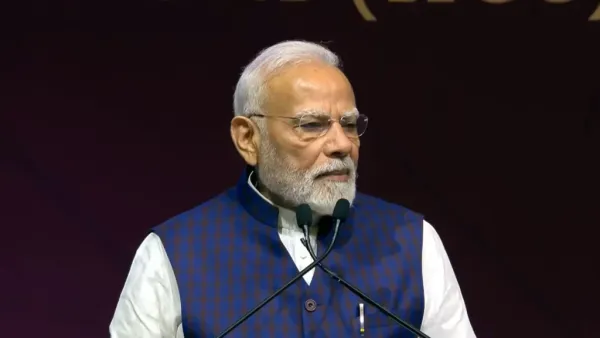
Electric Vehicles (EV) are the vehicle of our future, everyone knows and understands this very well in today’s time. But will the sale of ICE i.e. conventional petrol, diesel and CNG cars come to a halt in the country after Prime Minister Narendra Modi’s latest appeal to adopt EVs? This is a question which is resonating rapidly these days among car buyers and the automobile industry and is forcing everyone to think.
In fact, after the conflict in the Middle East, a severe oil crisis has once again arisen across the world. India’s foreign exchange reserves have also been greatly affected due to this global crisis. India, the world’s most populous country, has a high dependence on oil imports (crude oil import), and experts believe that if the situation remains like this, then serious consequences may be seen in the future.
Situation changed in no time, prices increased 3 times in 10 days
The direct impact of this ongoing global crisis has started becoming visible on the pockets of the common people within the last 10 days. In the last 10 days, the prices of petrol, diesel and CNG have been increased thrice. Now the people of the country are getting petrol and diesel costlier by about Rs 5 and CNG by Rs 4. These rising fuel prices are forcing customers who are planning to buy a new car to think deeply about whether they should buy a petrol-diesel or CNG car or go straight to an electric car (EV).
However, the problem is that there is still a lot of uncertainty in the minds of people regarding the range and resale of EV, due to which they are not able to get out. Experts believe that in such a situation, PM Modi’s emotional appeal to adopt EVs may not have any immediate magical effect on the customers and there is not going to be any major break in the pace of petrol, diesel, CNG as well as hybrid cars.
Rising oil prices give sleepless nights, change the mood of customers
One thing is very clear that today’s car buyer has become more intelligent and sensitive than before. After this huge increase in fuel prices in recent times, the decisions of customers have been affected to a great extent. In fact, our auto market is currently going through a multi-fuel transition. PM Modi’s continuous appeals and skyrocketing fuel prices have brought a huge surge in inquiries and bookings of electric vehicles in showrooms, but whether these bookings will actually convert into deliveries in the coming days and vehicles will be seen running on the roads, is still a big question.
If we look at the market trend, those families who already have a petrol, diesel or CNG car are now giving first priority to EV as the second car in their house. However, for those who are buying their first or only car, CNG and hybrid vehicles still remain the best alternatives to petrol and diesel. If we look at the recent figures, the share of CNG vehicles in the Indian passenger vehicle market has increased to a record level of about 24 percent, while petrol cars are still leading in terms of sales.
After all, what options do customers have and the way forward?
Now the biggest question that arises is what should a common customer do in such an environment? Experts clearly say that before forcibly creating an environment for EV in the country, it is very important to bring strong EV charging infrastructure and affordable (budget friendly) electric car options in the market. Indian customers always like to buy ‘value for money’ things.
However, these repeated major shocks in oil prices have definitely brought about a major change in consumer behaviour. Now a common middle class customer not only looks at the showroom price of the car, but also takes full account of its running cost (daily expenses). In such a situation, the extremely low running cost of EV has started attracting customers. As the network of charging stations gets laid in the country and the prices of batteries come down, it is certain that people’s inclination towards electric vehicles will increase rapidly in the coming days.
-
Nizam’s kitchens to your Bakrid table: Qubani ka Meetha lives on
-
First male contestant to get evicted from Khatron Ke Khiladi 15
-
Farhan Akhtar To Play Pakistani Cricketer In Aamir Khan's Upcoming Sports Drama

-
Eid ul-Adha 2026: 100 Best Wishes, Greetings And Quotes For Bakrid

-
Apple's iPhone Ultra Fold Spotted In Case Leaks: See What It Looks Like