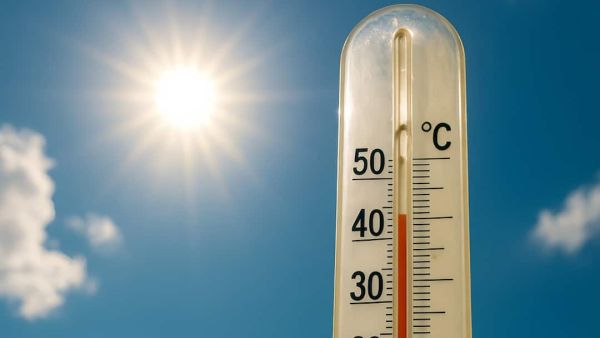
The intense nine-day period of extreme summer heat, popularly known as Nautapa, is set to begin on May 25 and will continue until June 2. These nine days are considered the hottest phase of the year, when the Sun’s heat becomes extremely intense, causing temperatures to rise sharply and significantly increasing the risk of heatwaves across several regions.
According to weather experts, temperatures during Nautapa can climb rapidly, directly affecting people’s health and daily life. Experts have especially warned people to avoid stepping outdoors between 12 PM and 3 PM, as this period is considered the most dangerous due to harsh sunlight and rising heat exposure.
Why Midday Heat During Nautapa Is Considered Risky
Health experts say that the human body loses water quickly during peak afternoon hours, increasing the chances of dehydration and heat-related illnesses. The strong sunlight during this time can severely affect the body’s ability to regulate temperature, particularly if a person remains outdoors for long periods.
Doctors have advised people to stay indoors during the afternoon unless absolutely necessary. Those who must step outside are being urged to cover their head and face properly to reduce direct heat exposure. Reports suggest that spending too much time under the scorching sun during Nautapa may lead to heatstroke, dizziness, exhaustion, and severe weakness.
How Extreme Heat Affects The Body
During Nautapa, body temperature can rise rapidly if adequate hydration and cooling are not maintained. In severe cases, heatstroke may occur, leading to symptoms such as intense headaches, vomiting, dizziness, fatigue, fainting, and weakness. Experts warn that if the condition worsens, it may even become life-threatening.
Doctors also point out that continuous exposure to sunlight causes the body to lose water and essential minerals quickly. As a result, people tend to feel tired and drained much faster than usual. Children, elderly individuals, and people working outdoors are considered the most vulnerable during this period of extreme heat.
Health specialists further advise that if someone experiences excessive dizziness or unusually high body temperature, they should immediately be moved to a shaded area and given water or ORS to help stabilize the body.
What To Eat And Drink To Stay Safe During Nautapa
Experts say that diet and daily habits play a crucial role in staying safe during Nautapa. People are advised not to leave home on an empty stomach, as it may increase the risk of heat-related illness.
Foods with high water content such as watermelon, cucumber, muskmelon, curd, and buttermilk are considered beneficial for keeping the body cool. Traditional summer drinks like coconut water, lemon water, bael sharbat, and aam panna are also recommended to maintain hydration levels during extreme heat.
Doctors additionally recommend wearing light-colored cotton clothes, as they allow better air circulation and help the body stay cool. Using caps, scarves, umbrellas, or cloth coverings while stepping out in the sun is also considered important.
Experts have also cautioned against drinking excessively chilled water during this period. Instead, water stored in earthen pots is believed to be more suitable for the body in extreme summer conditions.
Even Small Negligence Can Become Dangerous
Doctors warn that even minor carelessness during Nautapa can lead to serious health complications. People are advised to avoid heavy physical work during afternoon hours and stay away from prolonged exposure to direct sunlight.
Experts also suggest avoiding oily and spicy foods, as they may increase body heat further. If anyone experiences persistent weakness, vomiting, high fever, or breathing difficulties, immediate medical attention is recommended.
According to health specialists, the most important step during Nautapa is to prevent dehydration and avoid direct heat exposure as much as possible. With proper hydration, balanced food habits, and basic precautions, the impact of this intense summer heat can be reduced significantly.
[Disclaimer: The information provided in the article is intended for general informational purposes only. It is not a substitute for professional medical advice, diagnosis, or treatment. Always seek the advice of your physician or other qualified healthcare provider with any questions you may have regarding a medical condition.]
-
SGPGIMS Vacancy 2026: Recruitment for Various Posts, Including Junior Engineer and Technician; Who Can Apply?

-
Fuel Price Shock Continues: Petrol and Diesel Rates Hiked Again Across India, Check Latest Prices in Major Cities

-
UP TGT 2026: UP TGT City Slips Released; Exams on June 3 and 4; 8.68 Lakh Candidates Participating..

-
ITR Filing 2026: How to Claim Up to ₹1 Lakh Tax Deduction on Health Insurance Under Section 80D

-
Gold Prices Fall Again on Monday: Rates Drop in Delhi, Mumbai, Chennai and Other Major Cities