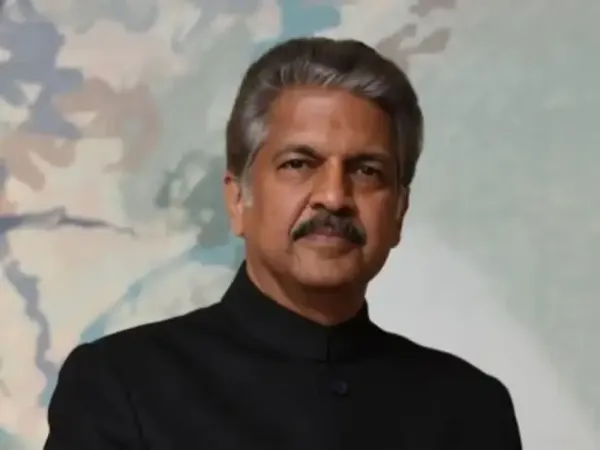
India’s tourism favourites have slowly been changing over the last few years. Earlier, most travellers only looked for scenic places, crowded tourist hotspots, or quick weekend getaways. But now, many people are pay attention to how clean a place is, how locals protect their surroundings, and whether tourism is helping or damaging nature. A recent post shared by Anand Mahindra on X brought to notice one such scenic place.
Mahindra shared a video originally posted by The Better India showing an incident from Sikkim where a man threw orange peels onto the road. Later, local authorities asked the man to collect every single piece of litter he had thrown. The man complied and picked up the waste from the road.
Sharing the clip, Mahindra wrote, “If you’re someone who casually throws trash out of your car window, then don’t even think of visiting Sikkim.”
He further added, “But if this clip makes you smile, then packing your bags and heading there may be one of the best travel decisions you’ll ever make.”
The industrialist also explained what, according to him, truly makes the Himalayan state stand apart. “Because I think what makes Sikkim a truly beautiful destination isn’t just the landscape. It’s the mindset of its people.”
Places such as Tsomgo Lake, Gurudongmar Lake, Yumthang Valley, Lachung, Lachen, and Pelling are among the most visited locations in the state. Sikkim is also home to heritage spots including Dubdi Monastery, Rabdentse Ruins, and Pemayangtse Monastery, all of which reflect the region’s deep cultural history.
But beyond tourism photographs and mountain views, Sikkim has also built a reputation for cleanliness and sustainable practices. According to PTI, the state was declared India’s as well as the world’s first 100 percent organic state in 2016. Over the years, authorities there have introduced strict environmental measures, including action against littering and restrictions on plastic use.
The state has promoted organic farming, discouraged single-use plastics, encouraged cleaner public spaces, and supported local tourism models like homestays and community-based experiences. Visitors are often encouraged to respect local customs, avoid creating waste, and support smaller local businesses instead of excessive commercial tourism.
Many tourists visiting Sikkim today are also looking for quieter and slower experiences. Monasteries like Rumtek and Enchey, peaceful villages in North Sikkim, and nature-focused activities have become part of that attraction. Unlike several overcrowded hill stations in the country, parts of Sikkim still offer a calmer travel experience.
Mahindra shared a video originally posted by The Better India showing an incident from Sikkim where a man threw orange peels onto the road. Later, local authorities asked the man to collect every single piece of litter he had thrown. The man complied and picked up the waste from the road.
Sharing the clip, Mahindra wrote, “If you’re someone who casually throws trash out of your car window, then don’t even think of visiting Sikkim.”
He further added, “But if this clip makes you smile, then packing your bags and heading there may be one of the best travel decisions you’ll ever make.”
The industrialist also explained what, according to him, truly makes the Himalayan state stand apart. “Because I think what makes Sikkim a truly beautiful destination isn’t just the landscape. It’s the mindset of its people.”
Why Sikkim often stands out
For many travellers, Sikkim is already known for its mountains, lakes, monasteries, and peaceful atmosphere. According to Incredible India, the northeastern state offers everything from views of Mount Kanchenjunga to valleys, forests, Buddhist monasteries, and local cultural traditions that continue to attract tourists from across the country.Places such as Tsomgo Lake, Gurudongmar Lake, Yumthang Valley, Lachung, Lachen, and Pelling are among the most visited locations in the state. Sikkim is also home to heritage spots including Dubdi Monastery, Rabdentse Ruins, and Pemayangtse Monastery, all of which reflect the region’s deep cultural history.
But beyond tourism photographs and mountain views, Sikkim has also built a reputation for cleanliness and sustainable practices. According to PTI, the state was declared India’s as well as the world’s first 100 percent organic state in 2016. Over the years, authorities there have introduced strict environmental measures, including action against littering and restrictions on plastic use.
Mindful and sustainable travel
Travel trends in India are also shifting in a noticeable way. More travellers now speak about responsible tourism, eco-tourism, and mindful travel instead of only luxury or entertainment. Sikkim is often mentioned as one of the strongest examples of that change.The state has promoted organic farming, discouraged single-use plastics, encouraged cleaner public spaces, and supported local tourism models like homestays and community-based experiences. Visitors are often encouraged to respect local customs, avoid creating waste, and support smaller local businesses instead of excessive commercial tourism.
Many tourists visiting Sikkim today are also looking for quieter and slower experiences. Monasteries like Rumtek and Enchey, peaceful villages in North Sikkim, and nature-focused activities have become part of that attraction. Unlike several overcrowded hill stations in the country, parts of Sikkim still offer a calmer travel experience.