
Listen to this article in summarized format
Loading...
××
Subscribe to

Unlock AI Briefing and Premium Content
New Year Offer 24 Hours Left
Subscribe NowAlready a member? Sign In
What's Included
- Exclusive Stories
- Daily ePaper Access
- Smart Market Tools
- Curated Investment Ideas
- Ad-lite Experience
Subscription

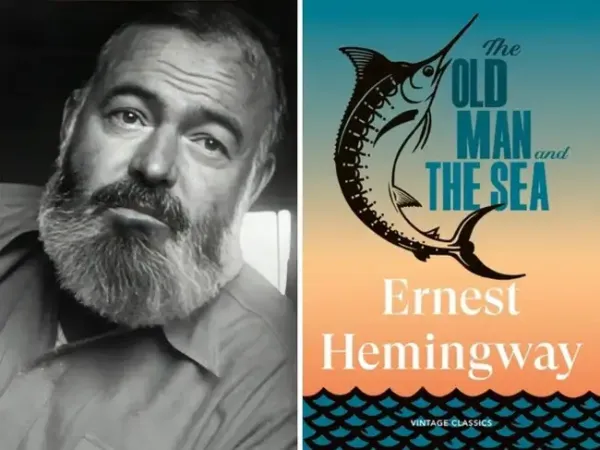
Strength is often misunderstood as winning every battle or never experiencing failure. But some of the most powerful literary works remind readers that true resilience lies in continuing to fight even after loss, exhaustion, or heartbreak. One such unforgettable line comes from Ernest Hemingway’s celebrated work The Old Man and the Sea: “Man is not made for defeat. A man can be destroyed but not defeated.”
Decades after it was written, the line continues to inspire readers because of its raw honesty about suffering, dignity, and the unbreakable nature of the human spirit. Hemingway’s The Old Man and the Sea is widely regarded as one of the greatest literary works of the 20th century. The story follows Santiago, an ageing Cuban fisherman who struggles through physical pain, isolation, and repeated bad luck while chasing a giant marlin far out at sea.
At its core, the novel is not simply about fishing or survival. It is about endurance, pride, determination, and the emotional strength required to keep going when life repeatedly pushes someone to the edge. The famous line emerges during Santiago’s exhausting battle against the sea and the forces working against him. Though physically worn down and facing overwhelming hardship, he refuses to mentally surrender.
Meaning of the lines from The Old Man and the Sea
“Man is not made for defeat,” reflects Santiago’s belief that human beings are built to endure suffering rather than collapse beneath it. The quote separates destruction from defeat, suggesting that external circumstances may break the body, damage success, or take away achievements, but true defeat happens only when someone gives up internally.
The second part of the line, “A man can be destroyed but not defeated,” carries an even deeper emotional meaning. Hemingway suggests that pain, failure, ageing, loss, or struggle may leave visible scars, but they do not automatically erase a person’s dignity, courage, or spirit.
The quote becomes especially powerful because Santiago technically loses much of what he fought for. After finally catching the massive marlin, sharks attack and destroy the fish before he can bring it back fully intact. On the surface, his journey appears unsuccessful. Yet emotionally and spiritually, Santiago remains undefeated because he never stopped fighting despite impossible odds.
The line also reflects Hemingway’s broader writing philosophy, often centered around quiet endurance, masculinity, emotional restraint, and personal dignity under pressure. Rather than portraying heroism through grand victories, Hemingway often celebrated individuals who continue standing even when the world leaves them battered. Even today, the line remains deeply moving because it acknowledges a difficult truth about life: people may not always control outcomes, but they can still control their spirit, resilience, and refusal to surrender.
Decades after it was written, the line continues to inspire readers because of its raw honesty about suffering, dignity, and the unbreakable nature of the human spirit. Hemingway’s The Old Man and the Sea is widely regarded as one of the greatest literary works of the 20th century. The story follows Santiago, an ageing Cuban fisherman who struggles through physical pain, isolation, and repeated bad luck while chasing a giant marlin far out at sea.
At its core, the novel is not simply about fishing or survival. It is about endurance, pride, determination, and the emotional strength required to keep going when life repeatedly pushes someone to the edge. The famous line emerges during Santiago’s exhausting battle against the sea and the forces working against him. Though physically worn down and facing overwhelming hardship, he refuses to mentally surrender.
Meaning of the lines from The Old Man and the Sea
“Man is not made for defeat,” reflects Santiago’s belief that human beings are built to endure suffering rather than collapse beneath it. The quote separates destruction from defeat, suggesting that external circumstances may break the body, damage success, or take away achievements, but true defeat happens only when someone gives up internally.The second part of the line, “A man can be destroyed but not defeated,” carries an even deeper emotional meaning. Hemingway suggests that pain, failure, ageing, loss, or struggle may leave visible scars, but they do not automatically erase a person’s dignity, courage, or spirit.
The quote becomes especially powerful because Santiago technically loses much of what he fought for. After finally catching the massive marlin, sharks attack and destroy the fish before he can bring it back fully intact. On the surface, his journey appears unsuccessful. Yet emotionally and spiritually, Santiago remains undefeated because he never stopped fighting despite impossible odds.
Deeper meaning of the line from The Old Man and the Sea
This distinction between external loss and internal resilience is what gives the quote timeless relevance. Many people experience moments where life damages careers, relationships, health, confidence, or dreams. Hemingway’s words remind readers that suffering itself does not define failure. What truly matters is whether someone continues showing courage despite exhaustion and disappointment.The line also reflects Hemingway’s broader writing philosophy, often centered around quiet endurance, masculinity, emotional restraint, and personal dignity under pressure. Rather than portraying heroism through grand victories, Hemingway often celebrated individuals who continue standing even when the world leaves them battered. Even today, the line remains deeply moving because it acknowledges a difficult truth about life: people may not always control outcomes, but they can still control their spirit, resilience, and refusal to surrender.