This Chinese lab-grown organoid can replace your pacemaker
23 May 2026
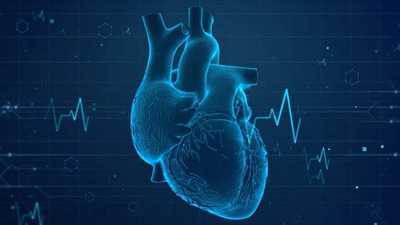
In a major scientific breakthrough, researchers from Shanghai have successfully created the world's first lab-grown sinoatrial node.
The sinoatrial node is a small structure that serves as the heart's natural pacemaker.
The development of this organoid, which can beat independently, could revolutionize cardiac disease research as well as drug screening.
What is the sinoatrial node and why is it important?
Heart's rhythm
The sinoatrial node, located in the right atrial chamber of the heart, is crucial for its continuous and rhythmic beating.
The node sends out electrical signals controlled by the nervous system, telling when to contract.
These signals ensure efficient blood pumping around the body by coordinating contractions of the atria and ventricles, the upper and lower chambers of the heart.
A biological pacemaker
Heartbeat disruption
If the sinoatrial node fails, it can lead to a dangerously slow or even stopped heartbeat. This condition can be life-threatening in severe cases. The researchers have developed a biological pacemaker in the lab that could provide an innovative solution for controlling abnormal heart rhythms.
Major step forward in cardiac research
Innovative approach
The team used human pluripotent stem cells, which can self-renew and differentiate into various cell types, to create a 3D sinoatrial node organoid.
This innovative approach has paved the way for further research on cardiac diseases and drug testing.
The successful creation of this lab-grown sinoatrial node is a major step forward in understanding heart function and developing new treatments for heart conditions.
-
Proposed US-Iran peace deal aims to return Hormuz traffic to pre-war levels

-
‘Every Country Has Stupid People’: Marco Rubio On Racist Remarks Against Indians In US

-
Tractor industry growth to stay flat in FY27 amid price hikes, subsidy normalization: YES Securities

-
US green card applicants must leave country under new policy

-
OpenAI seeks researchers who can stop AI from improving itself