Bruce Willis’ condition has drawn global attention to frontotemporal dementia, with neurologists explaining how it differs from Alzheimer’s, its early signs, and why diagnosis is often delayed
Fans of Hollywood superstar Bruce Willis were startled to see their onscreen invincible action hero doddering and looking disoriented in a recently posted video on social media. The actor was first diagnosed with primary progressive aphasia (PPA) in 2022, which developed into FTD in the following year, inducing severe physical and mental deficiencies for him.
Unbox the brain box
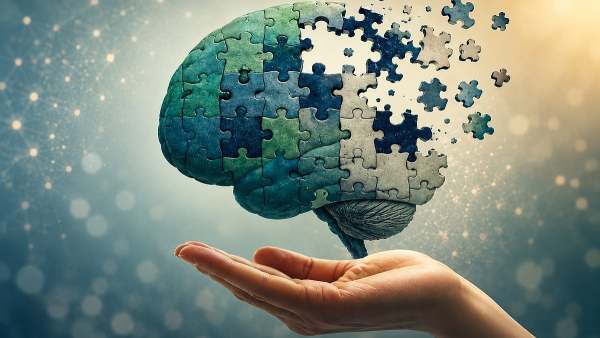
Neurologists say this brain disorder is different from Alzheimer’s. “Frontotemporal dementia (FTD) is a progressive neurodegenerative malady that mainly affects and wears away the frontal and temporal lobes of our grey matter. These areas regulate behaviour, personality features, emotions and language. Unlike more common types of dementia, FTD may not immediately start with the memory loss syndrome. Instead, it often commences with changes clearly noticed in a person’s attitude, communication or decision-making aptitude,” defines consultant neurologist Dr. Aniruddha More from Jupiter Hospital, Thane.
For the unversed, the frontal lobe manoeuvres voluntary movement, executive functions (like planning and reasoning), personality and speech, while the temporal lobe processes auditory information, language comprehension and memory. Both lobes denote the principal regions of the cerebral cortex, the external crumpled layer of the brain’s cerebrum (the largest and the topmost zone of the human brain).
-
Iran may launch surprise attack on Gulf states, Israel: Report

-
Doctor assaulted at Bidar’s BRIMS Hospital over medico-legal case row; five arrested

-
Zaheerabad smart city puts neglected Bidar back on the map

-
Shah Rukh Khan’s 1986 college ID goes viral, fans spot this

-
Apple's Foldable iPhone Ultra Is Already Losing The Crowd: Here's Why