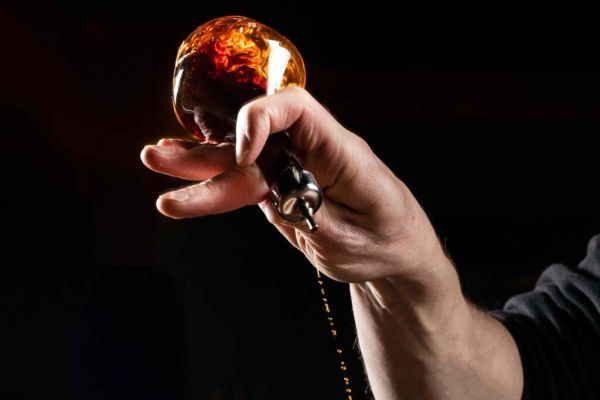
Cocktail bitters are one of the most mysterious ingredients behind classic cocktails, often added in tiny drops yet carrying intense flavor and surprisingly high alcohol content. Because they are used more like seasoning than a beverage, many people remain confused about whether bitters are technically alcoholic drinks or simply flavoring agents.
The truth is that most cocktail bitters contain a very high percentage of alcohol. Popular brands like Angostura bitters usually contain around 44% alcohol by volume, which is similar to strong spirits such as whiskey, rum or vodka. Some bitters can even contain alcohol levels above 45%, depending on the ingredients and production method.
Despite this, bitters are rarely consumed on their own. They are typically used in very small quantities — often just a few drops or dashes added to cocktails, sodas or food recipes. Because the amount used is so tiny, the actual alcohol consumed in a drink remains extremely low.
Bitters are made by infusing herbs, roots, spices, fruits and botanicals into high-proof alcohol. The alcohol acts as a solvent that extracts concentrated flavors and preserves the ingredients over time. This process creates the strong aromatic and bitter taste that gives bitters their name.
One reason bitters confuse many people is because they exist somewhere between a food ingredient and a liquor product. In many countries, bitters are legally classified differently from standard alcoholic beverages because they are not intended for casual drinking. Some grocery stores even sell bitters alongside baking products or mixers instead of hard liquor sections.
Historically, bitters were originally created as medicinal tonics and digestive aids before becoming essential cocktail ingredients. Bartenders later discovered that a few drops could dramatically improve balance and depth in drinks by adding bitterness, spice and herbal complexity.
Classic cocktails like the Old Fashioned, Manhattan and Sazerac rely heavily on bitters for their signature flavor. Beyond cocktails, bitters are also sometimes added to coffee, desserts, sauces and sparkling water for extra aromatic depth.
Although bitters contain strong alcohol concentration, experts say the small serving size means most people consume only minimal alcohol from them in typical use. However, because they are technically alcoholic, they may still matter for individuals avoiding alcohol entirely for religious, medical or personal reasons.
Today, cocktail bitters continue to occupy a unique place in food and drink culture — not quite a spirit, not quite a seasoning, but an essential ingredient that quietly shapes the flavor of some of the world’s most famous cocktails.
-
Manchester United vs Brighton: Confirmed squad updates, predicted lineup and latest injury news for Premier League finale

-
Pep Guardiola’s golden era turned Manchester City into a European force – but appointing Enzo Maresca could jeopardise the legendary manager’s carefully built legacy

-
Raphinha shares he rejected offers from major London clubs before completing Barcelona move

-
Neymar 'doubtful' for Brazil’s final World Cup preparation matches amid growing injury concerns

-
Wolfsburg and Paderborn share spoils in goalless first-leg playoff clash