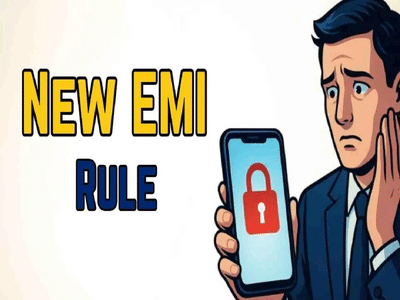
Reserve Bank of India (RBI) has proposed a major relief for smartphone users purchasing devices through EMI schemes. In its latest draft amendment guidelines, the central bank has reportedly stated that banks and finance companies will not be allowed to completely block or disable a customer’s mobile phone simply because the borrower failed to repay the loan linked to the device purchase.
The move is being viewed as an important step toward strengthening consumer protection in India’s rapidly growing digital lending and device financing market.
RBI Says Phones Cannot Be Completely DisabledAccording to the proposed RBI guidelines, lenders cannot render a smartphone entirely unusable solely due to EMI default.
In recent years, some financing arrangements reportedly allowed lenders or technology providers to remotely restrict devices if customers failed to make EMI payments on time. These restrictions often affected:
- Phone usability
- Access to services
- Device functionality
The RBI has now emphasized that such practices should not completely deprive users of access to their mobile phones.
The central bank reportedly believes that fully disabling a phone as part of loan recovery is not an appropriate or proportionate recovery mechanism.
Rule Applies Specifically to Mobile Purchase LoansThe RBI has clarified that the proposed provisions apply only to loans taken specifically for purchasing mobile phones.
This means the draft rule does not automatically cover:
- Personal loans
- Vehicle loans
- Credit card dues
- Other financing products
The framework is specifically aimed at protecting consumers purchasing smartphones through:
- EMI schemes
- Buy-now-pay-later plans
- Device financing programs
Although lenders may not completely disable devices, the draft guidelines reportedly still allow certain limited technical restrictions in cases of repeated EMI defaults.
However, such restrictions would need to remain within consumer protection boundaries and cannot make the phone entirely unusable.
The RBI is reportedly trying to create a balance between:
- Recovery rights of lenders
- Consumer rights and accessibility
- Fair lending practices
- Responsible digital financing
The central bank has highlighted the growing expansion of:
- Digital lending
- Smartphone financing
- Instant EMI services
- App-based credit systems
As more consumers purchase devices through financing options, RBI believes stronger safeguards are necessary to prevent unfair recovery methods.
Officials reportedly emphasized that consumers should not face excessive technological control over essential personal devices because of temporary repayment difficulties.
Smartphones today are considered critical for:
- Communication
- Banking
- Education
- Work
- Emergency access
- Government services
Because of this, fully blocking devices may negatively affect users far beyond financial inconvenience.
Big Relief for Millions of Smartphone UsersThe proposed rule is expected to benefit millions of Indian consumers who purchase smartphones through monthly installment schemes.
EMI-based smartphone purchases have become extremely common in India due to:
- Rising smartphone prices
- Easy financing options
- Online shopping platforms
- Instant approval systems
Many users, especially students and young professionals, rely heavily on EMI plans to buy premium smartphones.
The RBI’s proposed protection may therefore provide additional confidence to borrowers concerned about aggressive recovery practices.
Digital Lending Sector Under Greater ScrutinyThe RBI has been increasingly tightening regulations around digital lending platforms and fintech services in recent years.
The central bank has repeatedly expressed concerns regarding:
- Unfair recovery methods
- Data misuse
- Harassment by recovery agents
- Lack of transparency in lending terms
The latest draft guidelines are being viewed as part of the RBI’s broader effort to improve accountability and customer protection in the rapidly evolving digital finance ecosystem.
What Smartphone Buyers Should Still RememberEven though the proposed rules may protect consumers from complete device shutdowns, financial experts still advise borrowers to:
- Pay EMIs on time
- Understand loan agreements carefully
- Avoid excessive borrowing
- Use authorized financing providers only
Defaulting on EMIs may still affect:
- Credit scores
- Loan eligibility
- Future borrowing capacity
In some cases, lenders may continue legal or recovery procedures permitted under financial regulations.
Draft Guidelines Yet to Be Fully ImplementedAt present, the RBI’s announcement is reportedly part of draft amendment guidelines, meaning the final framework could still undergo changes before full implementation.
However, the proposal has already generated significant attention among:
- Smartphone buyers
- Fintech companies
- Banks
- NBFCs
- Consumer rights groups
If implemented officially, the move could become one of the most important consumer protection reforms in India’s growing device financing sector.
-
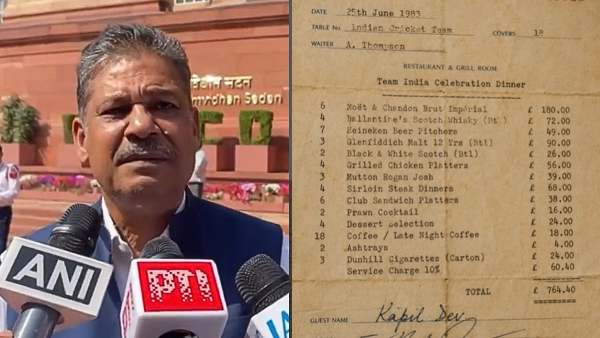
'This Is Fake': Kirti Azad Calls Out Viral 1983 World Cup 'Celebration Bill' Signed By Kapil Dev; Questions Authenticity
-
SRPF Cancels Armed Police Constable Exam Amid Irregularities; Re-Test On May 24, 2026

-
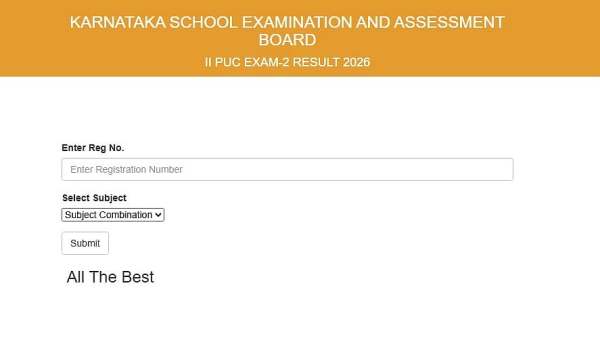
Karnataka 2nd PUC Exam 2 Result 2026 Declared At karresults.nic.in; Direct Link Here
-
70% Indian Graduates Want To Study Abroad; 66% Plan To Return Home For Jobs: CFA Graduate Outlook Survey

-
Drishyam 3 X Review: 'Nothing Exciting', 'Masterpiece'; Mohanlal Starrer Gets Mixed Response From Netizens