Michel Platini stands among the most extraordinary footballers the world has ever seen. A master playmaker, an incisive goal scorer, and an artist on the pitch, Platini defined an era of football brilliance from the late 1970s to the mid-1980s. The quintessential No.10, he embodied the creativity, vision, and elegance associated with that number, both in his time and for generations that followed.
His career unfolded in three distinct chapters: his rise and triumphs in France with Saint-Etienne, his dominance across Italy and Europe with Juventus, and his success with the French national team — achievements capped by winning three consecutive Ballons d’Or.
Platini was the kind of midfielder who scored like a striker, or perhaps a forward who dropped deep to orchestrate play like a maestro. His inclusion in GOAL’s Hall of Fame is beyond dispute.
Italian heritage, French spirit
Platini’s roots trace back to Italy. His father’s family hailed from Agrate Conturbia in Piedmont, while his mother’s side came from Belluno in the Veneto region. However, he was born in Joeuf, located in the Meurthe-et-Moselle area of north-eastern France.
It was in Joeuf that Platini began his footballing journey, first playing for AS Joeuf and later for Nancy, before rising to prominence with Saint-Etienne and then Juventus. At the peak of his powers, he blended his humble beginnings with the refinement and flair of French football — a style defined by attacking artistry, technical mastery, and an insatiable hunger for victory.
Dominating French football
Platini made his professional debut as a teenager with Nancy, scoring 127 goals in 215 matches between 1972 and 1979 while helping the club win both the second division title and the Coupe de France.
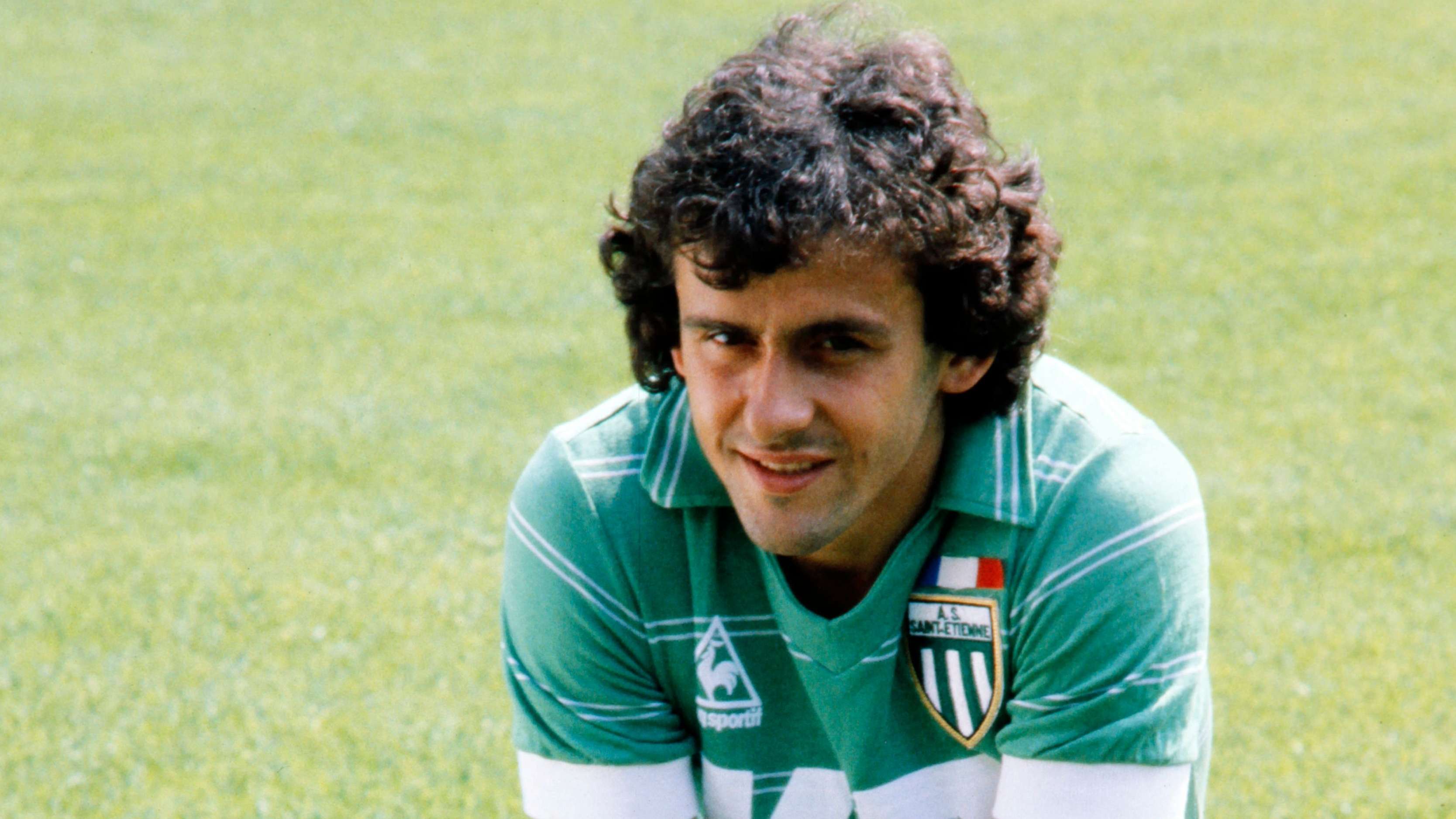
He then joined Saint-Etienne, France’s most powerful club at the time. Over three seasons with Les Verts, Platini played 145 games, netted 82 goals, and captured the Ligue 1 title in 1981.
Superstar at Juventus
Gianni Agnelli, the influential owner of Juventus and Fiat, was captivated by Platini’s genius and brought him to Turin. While Juventus dominated domestically, their European success had been limited to the UEFA Cup triumph in 1977.
Platini joined a squad brimming with talent — including Polish star Zibi Boniek and six members of Italy’s 1982 World Cup-winning team: Dino Zoff, Claudio Gentile, Antonio Cabrini, Gaetano Scirea, Marco Tardelli, and Paolo Rossi.
After a short adjustment period, Platini hit his stride and never looked back. During five remarkable years with Juventus, he collected two Scudetti, one Coppa Italia, one European Cup, one Intercontinental Cup, one Cup Winners’ Cup, and one UEFA Super Cup. In 224 appearances, he scored 104 goals — through free-kicks, penalties, headers, and powerful shots from both feet.
His elegance meshed perfectly with Giovanni Trapattoni’s tactical discipline and the Italian core’s winning mentality. Platini became the creative heartbeat of Juventus, elevating the team to new heights both domestically and internationally.
All hail The King
Platini’s brilliance was magnified by the fact that he performed in Serie A, the most competitive and tactically demanding league of its time. He topped the Serie A scoring charts three times, outscoring legends like Diego Maradona, Zico, and Karl-Heinz Rummenigge.
Nicknamed ‘Le Roi’ (The King), Platini claimed the Ballon d’Or in 1983, 1984, and 1985. His second win marked his pinnacle year — in 1984, he led Juventus to the Scudetto and Cup Winners’ Cup, finished as Serie A’s top scorer, and guided France to their first-ever European Championship triumph. His nine goals at Euro 1984 remain a record that still stands after four decades.
Transforming a nation
Beyond his club exploits, Platini redefined French football on the international stage. Under his leadership, France evolved from a peripheral force into a global powerhouse, finishing third at both the 1982 and 1986 World Cups and capturing the 1984 European Championship.
Euro 1984 was Platini’s masterpiece. He scored the only goal in France’s opening win against Denmark, followed by a brace in the 5-0 demolition of Belgium and a hat-trick against Yugoslavia in Saint-Etienne. In the semi-final against Portugal, France trailed 2-1 in extra time before Platini’s double turned the game around. In the final, he broke the deadlock with a free-kick as France beat Spain 2-0 at Parc des Princes. Platini, as captain, lifted the trophy to mark the nation’s first major international triumph.
A place among the legends
While Diego Maradona may have surpassed him in overall greatness and competes with Pele and Lionel Messi for the title of the best ever, between 1982 and 1985, Platini was Europe’s supreme player — the most dominant, consistent, and decisive footballer of his era. His name rightfully belongs among football’s immortals.
A charismatic leader
Off the pitch, Platini’s charm and humour further enhanced his legend. His wit and poise reflected the regal confidence of his nickname. He once quipped, “I started playing for the strongest team in Lorraine, continued with the strongest team in France, and ended with the strongest team in the world,” perfectly summarising his journey through Nancy, Saint-Etienne, and Juventus.
His rebellious streak was also well-known. When Gianni Agnelli once asked if rumours about him smoking during half-time were true, Platini wittily replied, “Sir, the important thing is that [Massimo] Bonini doesn’t smoke — he’s the one who has to run!”
But perhaps Agnelli himself best captured Platini’s impact on Juventus and Italian football: “We bought Platini for a pittance, and he finished by giving us foie gras.”
The early farewell
Two moments cast shadows over Platini’s glittering career. The first came in 1983, when Juventus — heavy favourites — lost the European Cup final 1-0 to Hamburg, with Platini below his usual high standards. The second was far more tragic: the Heysel disaster in 1985, when 39 fans lost their lives before Juventus’ European Cup triumph over Liverpool. That tragedy changed Platini’s view of football forever, and two years later, at just 32, he retired from the game.
Reflecting on his decision, Platini said, “The important thing is to always be true to yourself. I couldn’t do it anymore on the pitch. So I left.”
-
Carlo Ancelotti faces decisive call on Neymar ahead of Brazil’s 2026 World Cup campaign — teammates rally behind record goalscorer
-
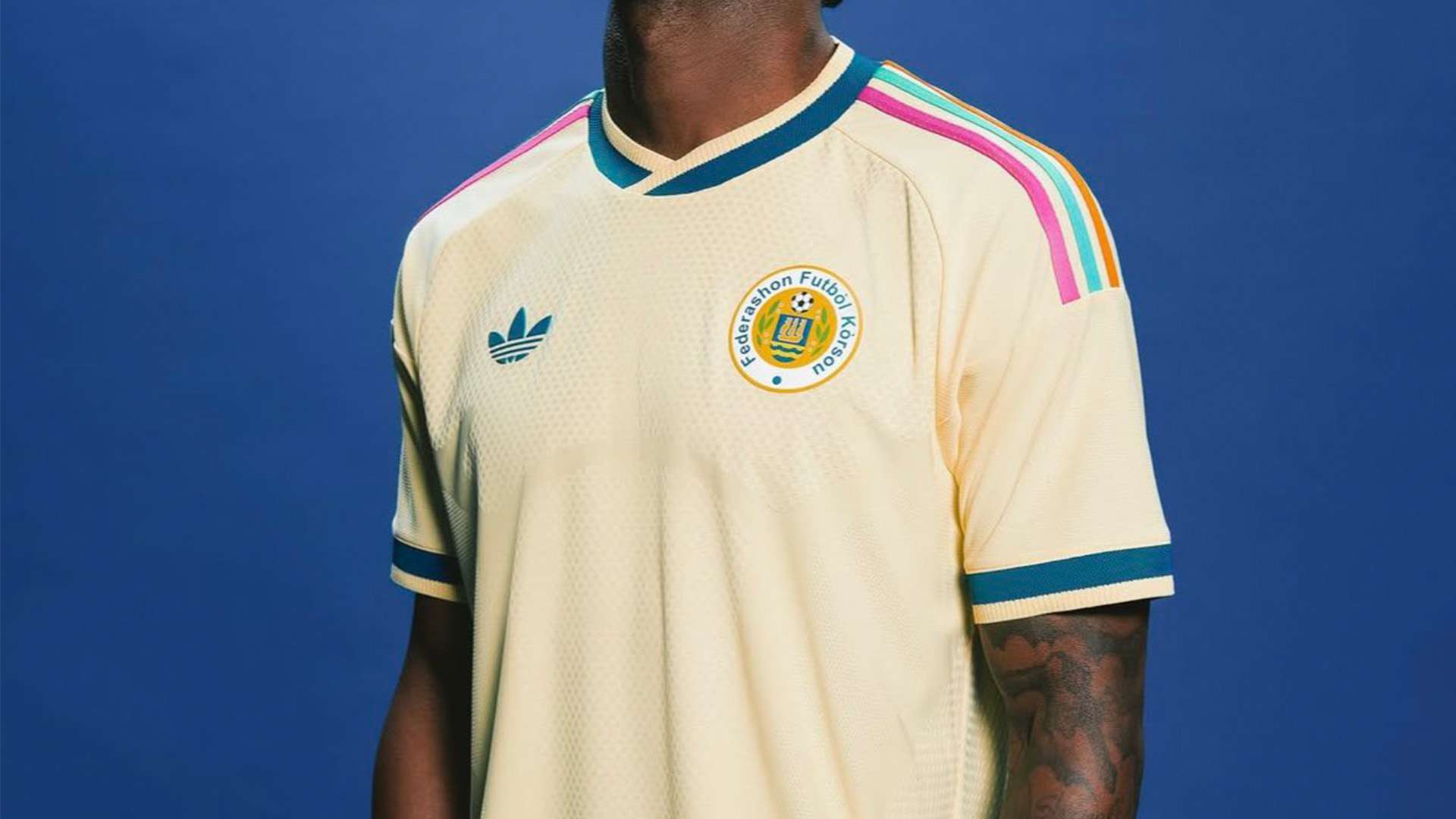
Curaçao unveil FIFA World Cup 2026 home and away kits: launch details and pricing
-
Khadija Shaw named WSL Player of the Season after leading Manchester City to first league crown in ten years
-
Where Does Weston McKennie’s 2025-26 Season with Juventus Stand Among the Greatest USMNT Midfield Performances in Europe?

-
Ranked: The 10 Greatest Brazilian Footballers of All Time