The artificial intelligence industry is filled with fierce competition, billion-dollar investments, and rapidly evolving alliances. But a recent revelation has added a fascinating twist to the story of modern AI.
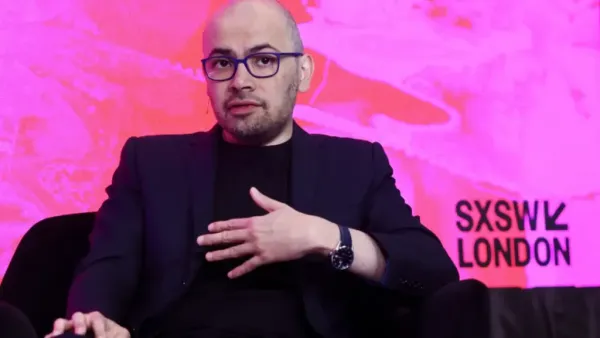
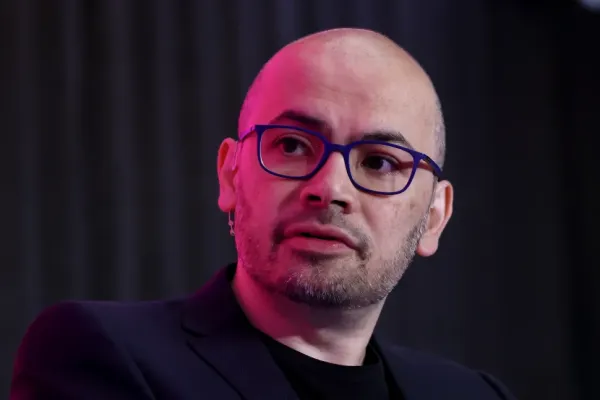
According to a report by the Financial Times, Demis Hassabis — the co-founder of DeepMind — was an early investor in Anthropicthe company behind the increasingly popular Claude AI model.
The report described Hassabis as an “angel investor” in Anthropic, a detail that has sparked widespread interest across the tech world. While AI companies are often portrayed as rivals locked in an intense battle for dominance, this revelation highlights how interconnected the industry truly is.
It also reinforces Hassabis’ status as one of the most influential figures shaping the future of artificial intelligence.
Credits: Financial Times
Anthropic’s Meteoric Rise
Over the past two years, Anthropic has transformed from a promising startup into one of the most powerful names in AI.
Founded by former OpenAI researchers, the California-based company has positioned itself as a leader in “safe AI” development. Its Claude family of AI models has emerged as a serious competitor to systems developed by OpenAI, Google, and Meta.
What makes Anthropic particularly notable is the scale of support it has attracted from some of the biggest technology companies in the world.
The company has secured partnerships and investments from tech giants including Google, Amazon, Microsoft, NVIDIA, SpaceXand Broadcom.
These partnerships are not just about money. In today’s AI race, computing power has become one of the most valuable resources. Training advanced AI systems requires enormous amounts of GPUs, cloud infrastructure, and energy.
Anthropic’s alliances are largely focused on securing this infrastructure advantage as demand for generative AI tools continues to explode globally.
The company is also reportedly exploring an infrastructure investment with Fluidstackfurther signaling its aggressive expansion strategy.
The Legacy of DeepMind
Long before the current generative AI boom, Demis Hassabis and DeepMind were already pushing the boundaries of machine intelligence.
Hassabis co-founded DeepMind in 2010 with the ambitious goal of creating artificial general intelligence. Just four years later, Google acquired the company in a landmark deal that would eventually become one of the most important acquisitions in AI history.
DeepMind initially gained attention for developing artificial neural networks capable of mastering board and video games. But the company achieved global fame in 2016 when its AI system AlphaGo defeated world champion Go player Lee Sedol — a moment widely seen as a turning point in AI history.
DeepMind later introduced AlphaZeroa more advanced system capable of teaching itself games from scratch. AlphaZero defeated the world’s top chess engine, Stockfish, and demonstrated extraordinary capabilities across multiple games.
These achievements established DeepMind as one of the world’s leading AI research organizations and helped lay the foundation for today’s AI revolution.
From Gaming to Nobel Recognition
Hassabis’ influence extends far beyond gaming AI.
In 2024, he was awarded the Nobel Prize in Chemistry for pioneering contributions to artificial intelligence and scientific discovery. The recognition reflected how AI is increasingly transforming fields beyond technology, including medicine, biology, and materials science.
His journey from neuroscientist and game designer to Nobel Prize-winning AI pioneer mirrors the rapid evolution of artificial intelligence itself.
Credits: Observer
What This Means for the AI Industry
The revelation that Hassabis invested in Anthropic underscores a broader reality about the AI ecosystem: competition and collaboration often exist side by side.
Even as companies race to build the world’s most advanced AI systems, many leaders in the industry remain financially and strategically connected. The lines between rival and partner are becoming increasingly blurred.
For Anthropic, the association with one of AI’s most respected pioneers further boosts its credibility at a time when the company is rapidly expanding its influence.
For the broader tech world, it is another reminder that the future of artificial intelligence is not being shaped by isolated companies — but by a tightly connected network of researchers, investors, and technology giants working simultaneously as collaborators and competitors.
-
Malkajgiri Police book nearly 1,200 vehicles for high beam, faulty lights

-
Hyderabad: Nepali woman hangs herself from tree inside GHMC park

-
BRS workers protest delay in paddy procurement in Vemulawada

-
High command summons Siddaramaiah to Delhi amid leadership change buzz

-
Kolkata municipality serves demolition notices two days before Bakrid