
Listen to this article in summarized format
Loading...
××
Subscribe to

Unlock AI Briefing and Premium Content
New Year Offer 24 Hours Left
Subscribe NowAlready a member? Sign In
What's Included
- Exclusive Stories
- Daily ePaper Access
- Smart Market Tools
- Curated Investment Ideas
- Ad-lite Experience
Subscription

Long before discussions around mortality, ageing, existential fear, and the meaning of life became common in popular culture, Hollywood films had already begun exploring these deeply human emotions through powerful storytelling. Over the years, several iconic movie dialogues have resonated with audiences for their raw honesty about life’s fragility and the inevitability of death. One such thought-provoking movie dialogue of the day comes from legendary Hollywood actor Dustin Hoffman, whose performances have consistently explored complex human emotions with depth and realism. Even today, one of his haunting dialogues continues to spark conversations online for its chilling reflection on mortality, fear, and life’s final unknown journey.
Dustin Hoffman’s Captain Hook to Robin Williams’ Peter Pan
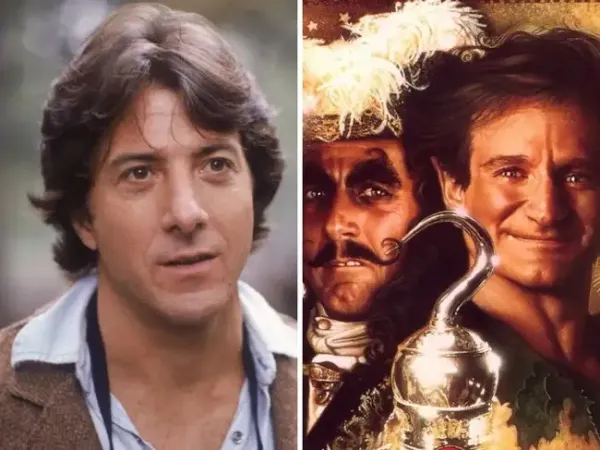
The movie dialogue of the day goes: ‘Death is the only adventure you have left.’ That unforgettable dialogue was delivered by Captain Hook, portrayed by Dustin Hoffman, in ace director Steven Spielberg’s 1991 fantasy adventure film Hook. The chilling moment unfolds aboard the legendary pirate ship, the Jolly Roger, anchored in the magical world of Neverland.
At this point in the story, Peter Pan, played by Robin Williams, is no longer the fearless and adventurous hero people remember. Now an overworked corporate adult, Peter has completely lost touch with his childhood memories, imagination, and magical abilities. He returns to Neverland only after Captain Hook kidnaps his children, but by then, he has forgotten how to fly and no longer recognises his own legendary identity.
When Peter finally comes face to face with Hook aboard the ship, the feared pirate captain is left stunned and disappointed. After spending years dreaming of an epic final showdown with his greatest rival, Hook instead finds a tired, fearful, and emotionally disconnected man standing before him. Feeling robbed of the grand battle he had imagined for decades, Hook cruelly mocks Peter’s transformation into an ordinary adult consumed by routine and responsibility.
It is during this emotionally charged confrontation that Hook leans toward Peter and delivers the now iconic line: ‘Death is the only adventure you have left.’ The statement serves as a dark and poetic attack on Peter Pan’s once-famous belief that dying could itself be an adventure. Through the dialogue, Hook sarcastically criticises Peter for abandoning wonder, fantasy, and youthful freedom in exchange for a dull adult existence.
Why does the quote feel deeply relatable even today
Dustin Hoffman’s movie dialogue of the day continues to feel deeply relatable because it reflects a fear that many people silently struggle with in modern life, the fear of losing excitement, purpose, and emotional connection as adulthood takes over. In today’s fast-paced world filled with corporate pressure, financial responsibilities, burnout, and mental exhaustion, many individuals often feel disconnected from the curiosity and freedom they once had in their younger years. The scene from Hook resonates strongly because it captures how routine, stress, and societal expectations can slowly replace imagination, passion, and emotional fulfilment. This emotional conflict makes the dialogue timeless for audiences across generations.
The moment also strikes a chord because it touches upon existential anxiety and the universal fear of growing older without truly feeling alive. In an era where conversations around mental health, emotional burnout, work-life balance, ageing, and identity crises dominate social media and popular culture, the line feels more relevant than ever. Many people today constantly question whether they are genuinely living life or simply surviving through endless routines and responsibilities. Dustin Hoffman’s performance in the film powerfully reflects this emotional emptiness, making the dialogue resonate not just as a movie moment but as a larger commentary on modern adulthood, lost dreams, and the human search for meaning.
How the film Hook explored the concept
Hook explored the idea of growing up and losing touch with childhood imagination through the emotional journey of Peter Pan. Unlike the adventurous and carefree boy audiences traditionally associated with the character, the film presented Peter as an exhausted corporate lawyer consumed by work pressure, family responsibilities, and adult routine. Steven Spielberg used this transformation to highlight how modern adulthood often distances people from joy, creativity, emotional freedom, and meaningful human connection. Throughout the film, Peter’s inability to remember Neverland symbolised the emotional disconnect many adults experience when ambition and routine overpower curiosity, wonder, and personal happiness.
The fantasy adventure film also explored themes of ageing, identity crisis, emotional healing, and rediscovering purpose through nostalgia and family relationships. Captain Hook, played by Dustin Hoffman, represented the darker emotional consequences of obsession, loneliness, and fear of being forgotten. Meanwhile, Neverland itself symbolised imagination, innocence, and the inner child that adulthood often suppresses. As Peter slowly reconnects with his memories, friendships, and sense of adventure, Hook delivers a powerful message about balancing responsibility with emotional fulfilment. The film remains widely discussed even today for its relatable life lessons and how modern life can slowly erase wonder, happiness, and self-identity.
All you need to know about Dustin Hoffman
Dustin Hoffman, born on August 8, 1937, in Los Angeles, California, emerged as one of Hollywood’s most influential and critically acclaimed actors through his deeply emotional performances and unconventional screen presence. According to Britannica, Hoffman portrayed vulnerable, flawed, and relatable characters instead of stereotypical heroic figures. At a time when Hollywood largely favoured polished appearances, his success marked a major shift toward realistic storytelling and emotionally layered acting performances.
Dustin Hoffman’s rise to stardom was far from easy. After leaving his music studies at Santa Monica City College at 19, he pursued acting with determination and moved to New York City. During his early struggling years, he took up various odd jobs while slowly building his career through television appearances and off-Broadway theatre productions. His dedication eventually earned him recognition, including an Obie Award for his stage work. His breakthrough arrived with the iconic coming-of-age film The Graduate, where the then 30-year-old actor famously played young graduate Benjamin Braddock. The film became a cultural phenomenon and strongly resonated with audiences, questioning societal expectations and the American dream during the late 1960s.
Following the massive success of The Graduate, Dustin Hoffman delivered memorable performances in critically acclaimed films such as Midnight Cowboy, which won the Academy Award for Best Picture, along with Straw Dogs, Lenny, and All the President's Men, where he portrayed journalist Carl Bernstein during the investigation into the Watergate scandal. His ability to portray psychologically intense and morally complex characters made him one of the most respected actors of the 1970s.
After receiving several Academy Award nominations, Dustin Hoffman won his first Oscar for his emotionally powerful role in Kramer vs. Kramer. He later secured another Academy Award for his celebrated portrayal of an autistic savant in Rain Man. He also demonstrated remarkable comic versatility in Tootsie, where he played an actor disguising himself as a woman to secure employment in the entertainment industry.
Beyond films, Dustin Hoffman returned to the theatre during the 1980s and earned widespread praise for his performance in Death of a Salesman. According to Britannica, the television adaptation of the production brought him both an Emmy Award and a Golden Globe. In later decades, he continued balancing satire, drama, and mainstream comedy through films such as Wag the Dog and Meet the Fockers. Younger generations also recognise Hoffman as the voice of Master Shifu in the globally popular Kung Fu Panda franchise, further cementing his lasting impact on Hollywood and popular culture.
Dustin Hoffman’s Captain Hook to Robin Williams’ Peter Pan
The movie dialogue of the day goes: ‘Death is the only adventure you have left.’ That unforgettable dialogue was delivered by Captain Hook, portrayed by Dustin Hoffman, in ace director Steven Spielberg’s 1991 fantasy adventure film Hook. The chilling moment unfolds aboard the legendary pirate ship, the Jolly Roger, anchored in the magical world of Neverland.
At this point in the story, Peter Pan, played by Robin Williams, is no longer the fearless and adventurous hero people remember. Now an overworked corporate adult, Peter has completely lost touch with his childhood memories, imagination, and magical abilities. He returns to Neverland only after Captain Hook kidnaps his children, but by then, he has forgotten how to fly and no longer recognises his own legendary identity.
When Peter finally comes face to face with Hook aboard the ship, the feared pirate captain is left stunned and disappointed. After spending years dreaming of an epic final showdown with his greatest rival, Hook instead finds a tired, fearful, and emotionally disconnected man standing before him. Feeling robbed of the grand battle he had imagined for decades, Hook cruelly mocks Peter’s transformation into an ordinary adult consumed by routine and responsibility.
It is during this emotionally charged confrontation that Hook leans toward Peter and delivers the now iconic line: ‘Death is the only adventure you have left.’ The statement serves as a dark and poetic attack on Peter Pan’s once-famous belief that dying could itself be an adventure. Through the dialogue, Hook sarcastically criticises Peter for abandoning wonder, fantasy, and youthful freedom in exchange for a dull adult existence.
Why does the quote feel deeply relatable even today
Dustin Hoffman’s movie dialogue of the day continues to feel deeply relatable because it reflects a fear that many people silently struggle with in modern life, the fear of losing excitement, purpose, and emotional connection as adulthood takes over. In today’s fast-paced world filled with corporate pressure, financial responsibilities, burnout, and mental exhaustion, many individuals often feel disconnected from the curiosity and freedom they once had in their younger years. The scene from Hook resonates strongly because it captures how routine, stress, and societal expectations can slowly replace imagination, passion, and emotional fulfilment. This emotional conflict makes the dialogue timeless for audiences across generations.
The moment also strikes a chord because it touches upon existential anxiety and the universal fear of growing older without truly feeling alive. In an era where conversations around mental health, emotional burnout, work-life balance, ageing, and identity crises dominate social media and popular culture, the line feels more relevant than ever. Many people today constantly question whether they are genuinely living life or simply surviving through endless routines and responsibilities. Dustin Hoffman’s performance in the film powerfully reflects this emotional emptiness, making the dialogue resonate not just as a movie moment but as a larger commentary on modern adulthood, lost dreams, and the human search for meaning.
How the film Hook explored the concept
Hook explored the idea of growing up and losing touch with childhood imagination through the emotional journey of Peter Pan. Unlike the adventurous and carefree boy audiences traditionally associated with the character, the film presented Peter as an exhausted corporate lawyer consumed by work pressure, family responsibilities, and adult routine. Steven Spielberg used this transformation to highlight how modern adulthood often distances people from joy, creativity, emotional freedom, and meaningful human connection. Throughout the film, Peter’s inability to remember Neverland symbolised the emotional disconnect many adults experience when ambition and routine overpower curiosity, wonder, and personal happiness.
The fantasy adventure film also explored themes of ageing, identity crisis, emotional healing, and rediscovering purpose through nostalgia and family relationships. Captain Hook, played by Dustin Hoffman, represented the darker emotional consequences of obsession, loneliness, and fear of being forgotten. Meanwhile, Neverland itself symbolised imagination, innocence, and the inner child that adulthood often suppresses. As Peter slowly reconnects with his memories, friendships, and sense of adventure, Hook delivers a powerful message about balancing responsibility with emotional fulfilment. The film remains widely discussed even today for its relatable life lessons and how modern life can slowly erase wonder, happiness, and self-identity.
All you need to know about Dustin Hoffman
Dustin Hoffman, born on August 8, 1937, in Los Angeles, California, emerged as one of Hollywood’s most influential and critically acclaimed actors through his deeply emotional performances and unconventional screen presence. According to Britannica, Hoffman portrayed vulnerable, flawed, and relatable characters instead of stereotypical heroic figures. At a time when Hollywood largely favoured polished appearances, his success marked a major shift toward realistic storytelling and emotionally layered acting performances.
Dustin Hoffman’s rise to stardom was far from easy. After leaving his music studies at Santa Monica City College at 19, he pursued acting with determination and moved to New York City. During his early struggling years, he took up various odd jobs while slowly building his career through television appearances and off-Broadway theatre productions. His dedication eventually earned him recognition, including an Obie Award for his stage work. His breakthrough arrived with the iconic coming-of-age film The Graduate, where the then 30-year-old actor famously played young graduate Benjamin Braddock. The film became a cultural phenomenon and strongly resonated with audiences, questioning societal expectations and the American dream during the late 1960s.
Following the massive success of The Graduate, Dustin Hoffman delivered memorable performances in critically acclaimed films such as Midnight Cowboy, which won the Academy Award for Best Picture, along with Straw Dogs, Lenny, and All the President's Men, where he portrayed journalist Carl Bernstein during the investigation into the Watergate scandal. His ability to portray psychologically intense and morally complex characters made him one of the most respected actors of the 1970s.
After receiving several Academy Award nominations, Dustin Hoffman won his first Oscar for his emotionally powerful role in Kramer vs. Kramer. He later secured another Academy Award for his celebrated portrayal of an autistic savant in Rain Man. He also demonstrated remarkable comic versatility in Tootsie, where he played an actor disguising himself as a woman to secure employment in the entertainment industry.
Beyond films, Dustin Hoffman returned to the theatre during the 1980s and earned widespread praise for his performance in Death of a Salesman. According to Britannica, the television adaptation of the production brought him both an Emmy Award and a Golden Globe. In later decades, he continued balancing satire, drama, and mainstream comedy through films such as Wag the Dog and Meet the Fockers. Younger generations also recognise Hoffman as the voice of Master Shifu in the globally popular Kung Fu Panda franchise, further cementing his lasting impact on Hollywood and popular culture.