Long before superhero films turned immortality into a fantasy trend, Death Becomes Her explored the dark and hilarious side of living forever. Released in 1992, the surreal black comedy starred Hollywood icons Bruce Willis, Meryl Streep, Goldie Hawn and Isabella Rossellini in a bizarre story about eternal youth, vanity and toxic relationships. Decades later, one line of dialogue spoken by Willis’ character, Ernest Menville, still feels surprisingly deep and relatable, especially in a world obsessed with chasing perfection and living forever.
Bruce Willis' iconic quote and where it comes from
The quote of the day goes: "I don't wanna live forever. I mean, it sounds good, but what am I gonna do? What if I get bored? And what if I get lonely? Who am I gonna hang around with? Madeline and Helen?"
These exact lines are spoken by Ernest Menville, played by Bruce Willis, in the 1992 cult classic Death Becomes Her. He says this to Lisle Von Rhuman, played by Isabella Rossellini, moments before she pressures him to drink a magical potion that promises eternal youth and immortality.
The scene appears funny on the surface, but it carries an unexpectedly emotional and philosophical message underneath. Ernest hesitates while looking at the potion because he suddenly starts thinking about the actual reality of living forever. Instead of getting excited, he becomes anxious. He wonders what endless life would truly feel like after centuries pass.
More importantly, he realises he would be spending eternity surrounded by Madeline and Helen, the two toxic, constantly fighting women in his life. That thought alone becomes enough to make immortality feel more like punishment than a blessing.
Eventually, Ernest refuses the potion and chooses mortality over endless existence.
Why this dialogue still connects with people today
Even though Death Becomes Her is a fantasy black comedy, the quote feels incredibly human. Most people dream about having more time, staying young forever or escaping death. But Ernest’s words force viewers to think beyond the fantasy.
His fear is simple: what happens when life never ends?
The dialogue points out that immortality may sound glamorous at first, but endless existence could eventually become repetitive, lonely and emotionally empty. Without limits, even exciting experiences may lose meaning over time. That is exactly why the quote still resonates decades later. It shifts the focus from living forever to living well.
The deeper meaning behind Ernest’s words
Ernest’s dialogue talks about one important truth, life becomes meaningful because it is limited. Human beings value moments because they know time eventually runs out. Relationships feel precious because they cannot last forever. Memories become emotional because they are temporary.
The quote suggests that endless time without purpose can become exhausting. Ernest is not afraid of dying in that scene. He is more afraid of boredom, emotional isolation and spending eternity without peace.
His words also show that true happiness does not come from eternal youth or physical beauty. Instead, happiness comes from meaningful relationships, emotional stability and genuine joy. That is the central irony of Death Becomes Her. The characters spend the entire film desperately chasing beauty and immortality, only to become miserable because of it.
What the quote teaches us about life
One of the biggest lessons from this dialogue is that people should appreciate the present instead of endlessly chasing “forever.” Ernest understands that immortality means nothing if life loses purpose. Having infinite years cannot replace emotional fulfilment or human connection.
The quote also teaches that loneliness can become more frightening than death itself. Ernest’s biggest fear is not ageing, it is being emotionally trapped forever. Another important takeaway is how toxic relationships can destroy peace, no matter how much time someone has. Ernest realises that spending eternity surrounded by constant negativity would feel unbearable.
The line also quietly encourages people to focus on creating joyful memories while they still can. Instead of worrying about living forever, the film suggests that people should focus on living meaningfully.
Ultimately, the dialogue reminds viewers that a short but fulfilling life may be far more valuable than endless existence without happiness or purpose.
The legacy of Death Becomes Her
Directed and produced by Robert Zemeckis and written by David Koepp and Martin Donovan, Death Becomes Her released in the United States on July 31, 1992 through Universal Pictures.
The film received mixed reviews during its initial release, but over the years, it gained cult classic status. It was also considered groundbreaking for its use of computer-generated visual effects and eventually won the Academy Award for Best Visual Effects.
The movie has remained culturally relevant even decades later and has now also inspired a critically acclaimed Broadway musical adaptation.
Bruce Willis and his life beyond Hollywood
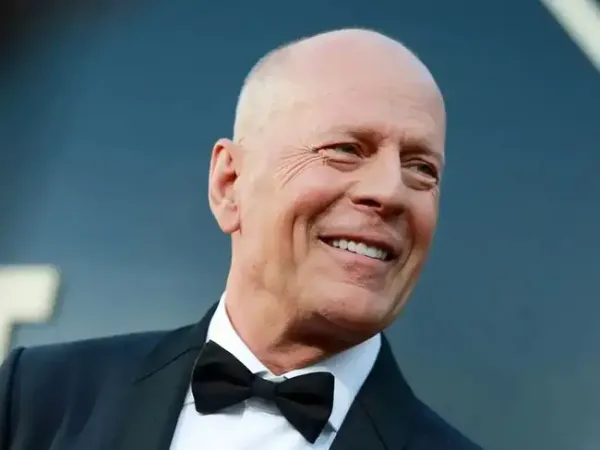
Bruce Willis remains one of Hollywood’s most influential stars and is widely credited with redefining the modern action hero. He first rose to fame through the television series Moonlighting before becoming a global icon with the Die Hard franchise.
Over the years, Willis delivered several memorable performances that shaped action cinema and inspired generations of actors. In February 2023, Willis’ family publicly revealed that the actor had been diagnosed with frontotemporal dementia after earlier health struggles involving communication difficulties. He had officially stepped away from acting a year before the announcement.
According to recent updates shared by family members, Willis is currently living in a one-storey home with dedicated medical support focused on his well-being and comfort. His loved ones have continued to spend as much time with him as possible, often sharing emotional moments and updates through interviews and social media.
Bruce Willis' iconic quote and where it comes from
The quote of the day goes: "I don't wanna live forever. I mean, it sounds good, but what am I gonna do? What if I get bored? And what if I get lonely? Who am I gonna hang around with? Madeline and Helen?"These exact lines are spoken by Ernest Menville, played by Bruce Willis, in the 1992 cult classic Death Becomes Her. He says this to Lisle Von Rhuman, played by Isabella Rossellini, moments before she pressures him to drink a magical potion that promises eternal youth and immortality.
The scene appears funny on the surface, but it carries an unexpectedly emotional and philosophical message underneath. Ernest hesitates while looking at the potion because he suddenly starts thinking about the actual reality of living forever. Instead of getting excited, he becomes anxious. He wonders what endless life would truly feel like after centuries pass.
More importantly, he realises he would be spending eternity surrounded by Madeline and Helen, the two toxic, constantly fighting women in his life. That thought alone becomes enough to make immortality feel more like punishment than a blessing.
Eventually, Ernest refuses the potion and chooses mortality over endless existence.
Why this dialogue still connects with people today
Even though Death Becomes Her is a fantasy black comedy, the quote feels incredibly human. Most people dream about having more time, staying young forever or escaping death. But Ernest’s words force viewers to think beyond the fantasy.His fear is simple: what happens when life never ends?
The dialogue points out that immortality may sound glamorous at first, but endless existence could eventually become repetitive, lonely and emotionally empty. Without limits, even exciting experiences may lose meaning over time. That is exactly why the quote still resonates decades later. It shifts the focus from living forever to living well.
The deeper meaning behind Ernest’s words
Ernest’s dialogue talks about one important truth, life becomes meaningful because it is limited. Human beings value moments because they know time eventually runs out. Relationships feel precious because they cannot last forever. Memories become emotional because they are temporary.The quote suggests that endless time without purpose can become exhausting. Ernest is not afraid of dying in that scene. He is more afraid of boredom, emotional isolation and spending eternity without peace.
His words also show that true happiness does not come from eternal youth or physical beauty. Instead, happiness comes from meaningful relationships, emotional stability and genuine joy. That is the central irony of Death Becomes Her. The characters spend the entire film desperately chasing beauty and immortality, only to become miserable because of it.
What the quote teaches us about life
One of the biggest lessons from this dialogue is that people should appreciate the present instead of endlessly chasing “forever.” Ernest understands that immortality means nothing if life loses purpose. Having infinite years cannot replace emotional fulfilment or human connection.The quote also teaches that loneliness can become more frightening than death itself. Ernest’s biggest fear is not ageing, it is being emotionally trapped forever. Another important takeaway is how toxic relationships can destroy peace, no matter how much time someone has. Ernest realises that spending eternity surrounded by constant negativity would feel unbearable.
The line also quietly encourages people to focus on creating joyful memories while they still can. Instead of worrying about living forever, the film suggests that people should focus on living meaningfully.
Ultimately, the dialogue reminds viewers that a short but fulfilling life may be far more valuable than endless existence without happiness or purpose.
The legacy of Death Becomes Her
Directed and produced by Robert Zemeckis and written by David Koepp and Martin Donovan, Death Becomes Her released in the United States on July 31, 1992 through Universal Pictures.The film received mixed reviews during its initial release, but over the years, it gained cult classic status. It was also considered groundbreaking for its use of computer-generated visual effects and eventually won the Academy Award for Best Visual Effects.
The movie has remained culturally relevant even decades later and has now also inspired a critically acclaimed Broadway musical adaptation.
Bruce Willis and his life beyond Hollywood
Bruce Willis remains one of Hollywood’s most influential stars and is widely credited with redefining the modern action hero. He first rose to fame through the television series Moonlighting before becoming a global icon with the Die Hard franchise.Over the years, Willis delivered several memorable performances that shaped action cinema and inspired generations of actors. In February 2023, Willis’ family publicly revealed that the actor had been diagnosed with frontotemporal dementia after earlier health struggles involving communication difficulties. He had officially stepped away from acting a year before the announcement.
According to recent updates shared by family members, Willis is currently living in a one-storey home with dedicated medical support focused on his well-being and comfort. His loved ones have continued to spend as much time with him as possible, often sharing emotional moments and updates through interviews and social media.