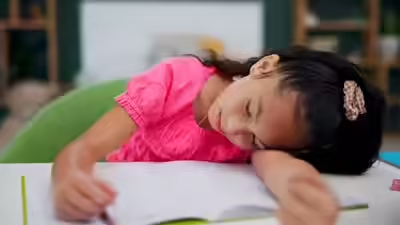
Irritability and emotional outbursts over small issues
Children dealing with academic burnout often become emotionally overwhelmed. It’s a sign that stress is building up internally and needs to be addressed. Parents may notice that a child suddenly starts feeling angry or frustrated over simple corrections or disagreements.
Frequent complaints of headaches and fatigue
Academic burnout does not only affect a child emotionally, it shows up physically too. Children under constant stress may complain about headaches, stomach aches, or tiredness even if there’s no medical reason behind it. It happens because mental exhaustion can put pressure on the body.
Sudden loss of interest in studies they once enjoyed
If a child starts losing interest in things he once loved, it’s a sign that the child is struggling internally. This change is often mistaken for laziness or distraction, but in many cases, it reflects that the child is academically burnt out. This happens when a child feels constantly pressured, and thus learning slowly starts to feel like a burden instead of something enjoyable.
Avoidant behavior around schoolwork
Children who experience academic burnout often start avoiding things to school and studies. In some cases, they may even pretend to forget assignments or avoid conversations about academics altogether.If a child is consistently resistant towards studies, it may be a sign that burnout is beginning to affect their emotional well-being.
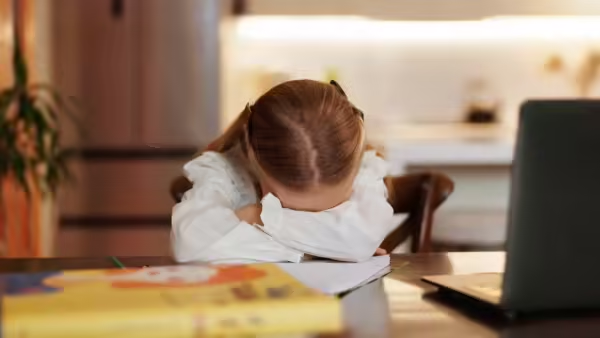
Changes in sleep patterns
Academic burnout can also impact sleep routine. Children who feel mentally stressed may start sleeping late because of overthinking. Sudden or consistent changes in a child’s sleeping habits should not be ignored, because when the mind isn’t calm, it starts to take a toll on physical health as well.
Loss of confidence and negative self-talk
Gradual loss of confidence is one of the most common yet concerning signs of academic burnout. Parents may start hearing statements such as, “I’m not good at studies.” It is because burnout can make children feel as though their efforts are never enough, and thus causing them to lose faith in their own potential.
What parents can do when a child is going through academic burnout
The solution to make a child feel secure is to help them feel emotionally supported and not push them harder. The most important thing is small changes made at home can make a big difference in reducing stress and helping children cope with academic pressure. Here are practical approaches parents can follow:
- Encourage open conversation so the child opens up about stress and emotions.
- Focus on the child’s efforts and appreciate their hard work.
- Ensure your child gets proper rest and time to relax so they feel mentally recharged.
- Reassure children that mistakes are a normal part of learning.
- Maintain a healthy routine for children and ensure they get balanced meals and a consistent daily schedule.
- If signs of burnout continue for a long time, consulting a counsellor or child psychologist can be helpful.
-
Ukraine says its drones hit another refinery deep inside Russia as long-range strikes escalate

-
FIFA's big experiment may have made the World Cup too big for its own good

-
IPL Biologicals opens 3rd plant in Vadodara, raises capacity to 7,000 KL/year

-
Businesses can digitally record 'goods delivered' on e-way bill portal: GSTN

-
Singapore reports nearly 60% surge in weekly new COVID-19 cases