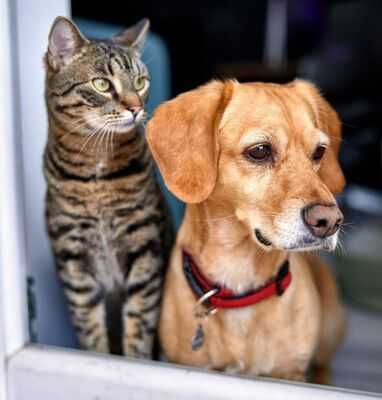
For most pet owners, there are times when animals need to be left at home on their own - whether for a few minutes to run a quick errand or for a few hours to go to work. In the UK, there is no specific legal time limit on how long animals can be left alone at home, leaving it up to owners to decide what their pet can handle and what's best for them and their safety.
Irresponsible owners risk getting into trouble if they break laws that protect their pets' welfare, including when cats or dogs are left unsupervised. Everyone who takes on a pet - from cats and dogs to fish, rabbits and lizards - is legally bound by the Animal Welfare Act (2006) to make sure pets have five basic things - even when you're not around.
The law states that pet owners have a legal duty to ensure their animal has:
If leaving an animal alone causes it to suffer, physically or mentally, you could be found in breach of the law. For example, if a pet is left so long that it becomes distressed or has to hold its bladder to the point of discomfort or infection, you are technically failing to meet these needs.
How long can pets usually be left alone for?While the law itself is vague, the courts and animal welfare have a general view on how long might be considered neglect. These guidelines are general, pet owners should always conider their own animal's situation individually based on its
- Adult Dogs - up to four hours: Dogs are social animals, and any longer periods often lead to separation anxiety or toilet accidents.
- Puppies - between an hour and two: Depending on age, puppies under 10 weeks should barely be left at all.
- Cats - up to 24 hours: Cats are more independent but still require daily checks for food, water, and safety.
- Small Pets - varies: Rabbits and guinea pigs need daily interaction and fresh hay/water checks.
If a concerned neighbour reports you, and an animal is found in a distressed state with health issues as a result, the consequences can be severe for pet owners. In some cases, an inspector may give you a formal warning to change your habits.
If the problems continue, or the case is already in the territory of 'serious neglect', it can lead to unlimited fines or up to five years in prison. People could also be banned from owning animals in the future.
How to stay within the lawIf your pet is happy, healthy, and not causing a "nuisance" to neighbours, you are likely going to be legally fine. But, if your pet is distressed, the clock doesn't matter, and you could be at risk of the authorities paying a visit.
For most people, life can often mean that it is not always possible to come home and tend to your dog during the day. There are a few tips to help break up their 'alone time', which should keep your pet happy and your home damage-free.
If you work for most of the day, having someone you trust check on the dog midway through your time apart could help. Consider asking a neighbour, friend or family member to help out - or hiring a dog walker to provide some company and enrichment.
Leaving a "suitable environment" from the beginning can help, including mental stimulation (like puzzle toys) to prevent the 'suffering' caused by extreme boredom. Many owners now use pet cameras. If you can see that your dog is distressed, you are legally responsible for addressing it.
-
'Nervous' Princess Kate's behind the scenes admission to Mary Berry after major move

-
Premier League team left in limbo by Southampton Spygate scandal after £20m demand

-
Strictly bosses made a big mistake with one new host - and it's not Emma Willis

-
5 subtle hints Emma Willis was always going to be new Strictly Come Dancing host

-
UK charity shop giant confirms 45 stores to close - two before end of May