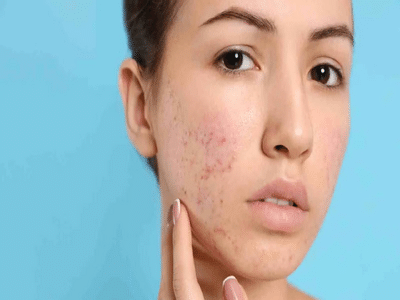
Acne has become one of the most common skin concerns among young people today. While occasional pimples are normal, repeated breakouts — especially around the jawline, chin, and cheeks — may sometimes indicate deeper health issues rather than just a skincare problem.
Health experts say persistent acne can often be linked to hormonal imbalance, stress, metabolic disorders, or internal health conditions. Ignoring these warning signs for a long time may delay the diagnosis of an underlying medical issue.
Here’s a closer look at the possible reasons behind recurring acne and when you should seek medical advice.
Hormonal Imbalance Can Trigger AcneFrequent acne breakouts are commonly associated with fluctuations in hormone levels.
Hormones influence the skin’s oil production. When the body produces excess oil, pores can become clogged, leading to inflammation and acne formation.
Hormonal acne is often seen:
- Around the jawline and chin
- During menstrual cycles
- During periods of stress
- In people with endocrine disorders
One major condition linked to recurring acne in women is Polycystic Ovary Syndrome.
Women with PCOS often experience:
- Severe acne
- Oily skin
- Irregular periods
- Excess facial hair
- Weight gain
Doctors explain that higher androgen hormone levels in PCOS can increase oil production, causing stubborn acne that may not improve with regular skincare products.
Stress Hormones Also Affect Skin HealthMental stress can significantly impact skin condition.
When a person experiences prolonged stress, the body releases higher levels of cortisol, commonly known as the “stress hormone.” Increased cortisol can:
- Trigger inflammation
- Increase oil production
- Worsen acne breakouts
- Slow skin healing
This is why many people notice sudden acne flare-ups during periods of anxiety, poor sleep, or emotional stress.
Diabetes and Insulin Resistance Can Worsen Skin ProblemsExperts say people dealing with diabetes or insulin resistance may also experience recurring acne and other skin issues.
High insulin levels can affect hormone balance and increase inflammation inside the body, contributing to:
- Acne
- Skin darkening
- Oily skin
- Slow healing
Maintaining healthy blood sugar levels may help improve both skin and overall health.
Liver Health Can Reflect on Your SkinSkin problems are sometimes linked to poor liver function as well.
Conditions such as Fatty Liver Disease may lead to:
- Acne
- Dull skin
- Swelling
- Skin inflammation
Doctors say the skin often reflects the body’s internal health condition, which is why recurring acne should not always be treated as a cosmetic issue alone.
Warning Signs You Should Not IgnoreIf acne is accompanied by any of the following symptoms, medical consultation becomes important:
- Hair fall
- Sudden weight gain
- Irregular menstrual cycles
- Excess facial hair growth
- Constant fatigue
- Persistent oily skin
These symptoms may indicate hormonal or metabolic disorders that require proper diagnosis and treatment.
When Should You Visit a Doctor?Dermatologists recommend seeking professional advice if:
- Acne becomes painful or cystic
- Breakouts continue for months
- Over-the-counter products stop working
- Acne leaves scars
- Other health symptoms appear alongside skin issues
A doctor may recommend hormone testing, blood sugar evaluation, liver tests, or lifestyle changes depending on the symptoms.
Healthy Skin Often Reflects Internal HealthExperts emphasize that skincare products alone may not fully solve recurring acne if the root cause lies inside the body.
A balanced diet, stress management, proper sleep, hydration, and regular medical checkups can help improve both skin health and overall well-being.
Understanding the real cause behind repeated acne breakouts can help people take timely action and prevent more serious health complications later.
-
Gold Price Prediction: Experts See Gold Touching New Record Highs; Prices in India Could Jump by ₹53,000

-
IPL 2026: Josh Inglis departs on 60 runs; LSG reach 127 runs in 10 overs against RR

-
CBI Books Retired Navy Captain Over Rs 3 Crore Disproportionate Assets Case

-
KKR Vs MI Match Stopped Due To Heavy Rain In Kolkata

-
'Sapne Aur Sachai...': Aakash Chopra Reacts To Viral Blinkit Guy Kissing Cricket Bat After Delivery