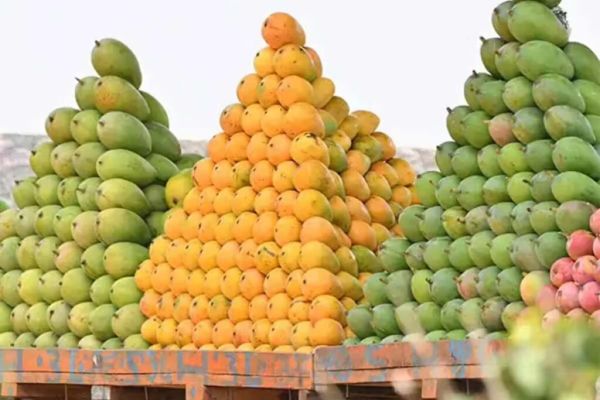
Ginny’s Abdar. You have to bring Himsagar from the market. Hastily ran into the bag. If you can’t keep the earnestness of the housewives, doom! However, Himsagar bought it from the fruit shop. He praised himself in his heart. But back home is suffering. Seeing the mango, your wife left you. The reason? You have stumbled back to bring Himsagar. The seller screwed you over. It is normal for people to have such a ‘glacial’ outage! Because, there are many varieties of mangoes in the market which are similar to Himasagar. The possibility of rigging taking advantage of intense demand is therefore strong. But if you know the right variety of mangoes, this disruption can be avoided. How to recognize the real glacier?
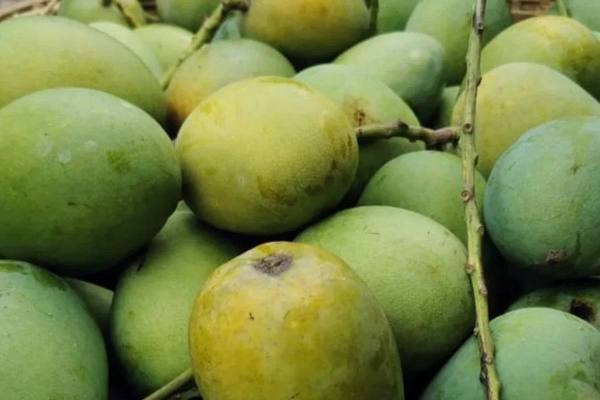
Glacier: This mango, the gem of Bengali eyes, comes to the market in the beginning of May. But its lifespan is quite short. The main way to identify a glacier is its color. Even when ripe, the outer skin of this mango remains green. Inside is dark yellow. This medium sized mango has a very sweet taste. Its real identity is hidden in the unmistakable smell.
Gopalbhoga: It has been in circulation since the second week of May. The cultivation of this mango started by the hand of a person named Gopal of Narhatta, Bangladesh. Hence the name Gopalbhoga. Its green bark has light yellow spots. When the mango is fully ripe, it turns yellow in color.
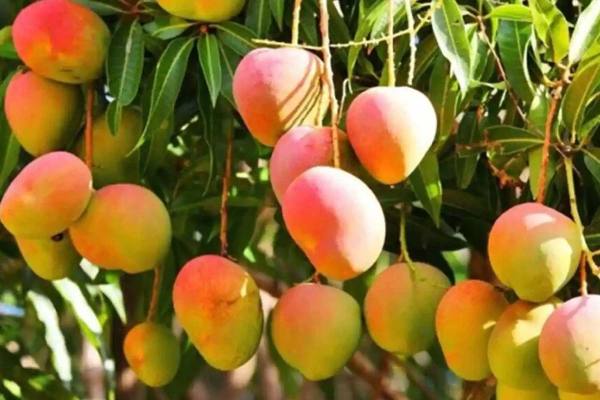
Rosemary: Its worth is in the name. This mango smells like rose. Looks very beautiful. It has a strange mixture of yellow, green and red. When ripe, the underside of the mango develops a beautiful reddish hue.
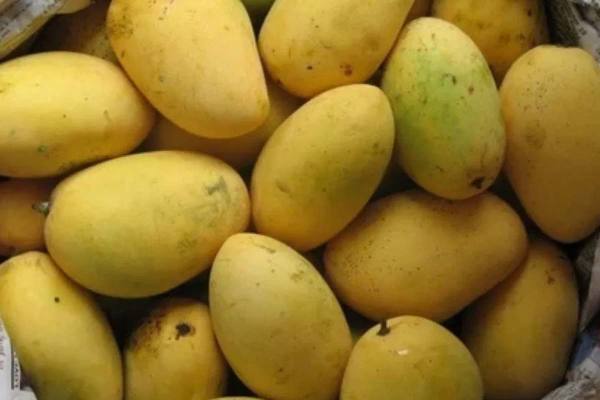
Chausa: According to history, Sher Shah himself named this mango in the 16th century. It is widespread in North India. The easiest way to recognize this mango is its bright golden yellow color. It is somewhat elongated in shape.
-
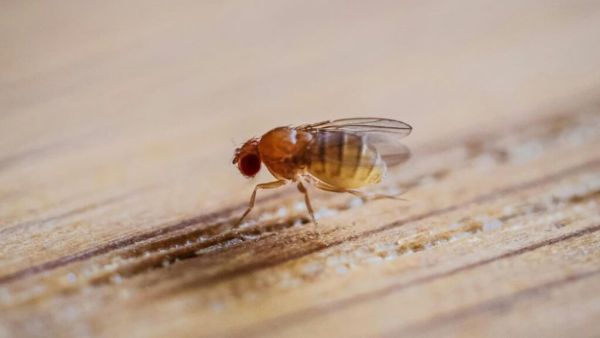
How Fruit Flies Affect Mangoes, And How To Get Rid Of Them At Home
-
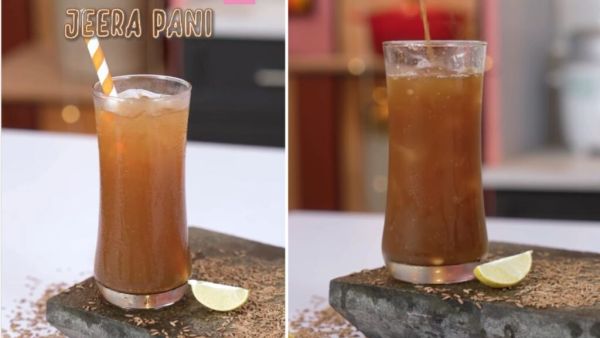
Summer Drink: Leave cold drinks, make refreshing tangy cumin water at home, you will get freshness in every sip.
-
Why your Washing Machine keeps tripping power or leaking water? 5 warning signs explained

-
RCB vs GT Final: Rashid Khan hunted Krunal Pandya for the fourth time, sent Patidar to the pavilion in the same over

-
Orange Cap Winner At 15: Vaibhav Sooryavanshi Tops Batting Charts As Shubman & Sai Fall Cheaply In IPL Final