BYD is not waiting for European automakers to recover. While carmakers like Stellantis and Volkswagen deal with falling volumes and underused plants, the world’s largest EV seller is in active talks to take over some of those very factories and start building Chinese electric vehicles right in the heart of Europe.
BYD’s Executive Vice President Stella Li confirmed on the sidelines of the Financial Times Future of the Car conference in London this week that the company is in discussions with Stellantis and other European manufacturers about acquiring idle or underutilised production facilities.
Italy has been specifically named as one of the countries where BYD is looking at potential plants. Li also made clear that BYD’s preference is to run these plants on its own terms, not through joint ventures with local partners.
The driving force behind these conversations is the EU’s punishing duty structure on Chinese-made EVs. Brussels imposed additional tariffs of up to 45 per cent on Chinese electric vehicles in October 2024, stacked on top of the standard 10 per cent import duty. For a brand building cars in Shenzhen and shipping them to Stuttgart, those combined duties can add tens of thousands of euros to the landed cost of each vehicle before a single test drive happens.
Building inside Europe eliminates that problem. A BYD vehicle assembled in Italy or Germany qualifies as an EU-origin product, which means the tariffs no longer apply in the same way. That changes the price equation fundamentally.

BYD’s Seal, for instance, currently starts at around 42,990 euros in Germany when imported from China, a figure that would look very different if produced locally. Getting below the 40,000 euro mark on a well-equipped electric sedan would put BYD directly in the path of the Volkswagen ID.4, Tesla Model 3 and Stellantis’s own electric models.
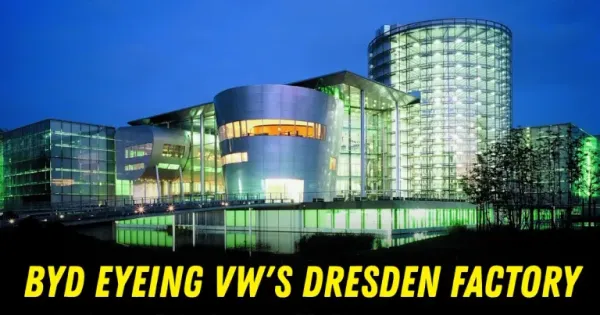
BYD’s interest in European plants has been building for some time. Talks to take over a portion of Volkswagen’s Transparent Factory in Dresden have been in progress since early 2025.
That plant, which VW shut down after ending ID.3 production there in late 2025, is valued at between 100 million and 300 million euros, and it already has full EV assembly infrastructure in place. A decision on Dresden is expected soon, with BYD looking at it as a potential production site for its Seal or a future European-spec model.
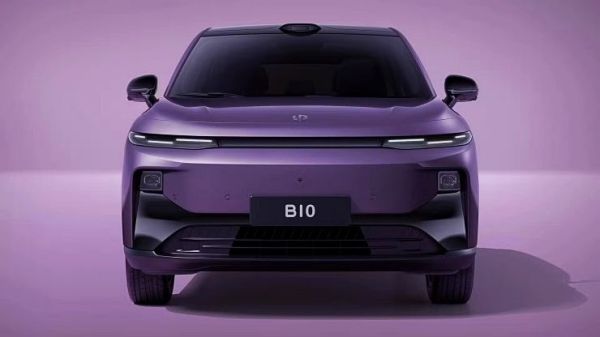
The Stellantis conversations extend that search further. Stellantis has been shutting or idling plants across Europe as its volumes have fallen sharply, reporting a net loss of 6.4 billion euros in the second half of 2024 alone. The company has already signed a deal with Leapmotor to produce the B10 EV and a new Opel model at its Zaragoza plant in Spain. BYD is now knocking on similar doors, but with a key difference: it wants full control, not a shared arrangement.
That is the part that makes these talks harder to close. European labour unions, local governments and legacy partners are far more comfortable with joint venture structures that preserve jobs and shared decision-making. BYD walking in as a sole operator raises different questions about workforce, local content requirements and long-term commitment to the facility.
For car buyers in Europe, the prospect of locally built BYD models is significant. Right now BYD’s European line-up includes the Atto 3, Seal, Sealion 6 and Sealion 7.
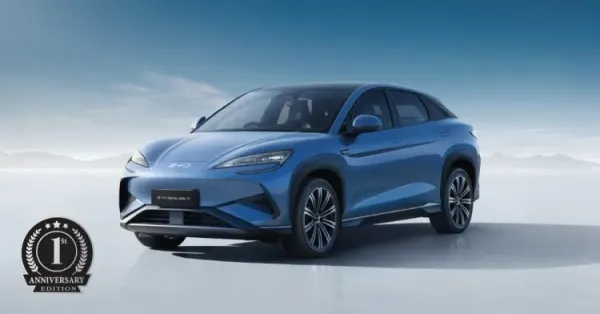
All are competitive on specification but carry a tariff-inflated price premium that blunts their appeal against local EVs. Local production could allow BYD to cut prices by 8,000 to 15,000 euros on some models, depending on the tariff saving and local cost structure. That would make the Seal a genuine mainstream EV threat and push the Atto 3 into territory currently occupied by the Volkswagen ID.3 and Peugeot e-2008.
BYD sold 4.6 million new energy vehicles globally in 2025. Europe is currently a small slice of that total. Going forward, this could change dramatically with made-in-Europe Chinese electric bringing in massive volumes.
-
Telangana minister blames Centre, Middle East war for paddy procurement delays
-
Indian pilgrim revived after cardiac arrest during Haj
-
Delhi Gymkhana Club management assures staff jobs are safe, moves HC
-
Rubio downplays anti-India rhetoric row, says Trump is ‘big fan’ of Modi
-
Iran consulate in Hyderabad takes swipe at Rubio’s Taj Mahal visit