A recent Supreme Court ruling reinforced the importance of full disclosure when purchasing insurance, highlighting how hiding details about alcohol consumption can lead to claim rejections, even if the cause of death is unrelated to drinking. The case in question involved a man who purchased the Jeevan Arogya policy from the Life Insurance Corporation of India (LIC) in 2013. While filling out his application, he did not disclose that he had been consuming alcohol heavily for years. Less than a year afterpurchasing the policy, he was hospitalised in Jhajjar, Haryana, due to severe stomach pain. After a month of treatment, he suffered a fatal heart attack.
Following his death, his wife filed a claim for medical expenses under the policy. However, LIC rejected it, citing the deceased’s failure to disclose his alcoholism. The insurer argued that their policy explicitly excludes coverage for “self-inflicted diseases" and “complications caused by excessive alcohol consumption". Since the man had falsely declared that he did not drink, LIC deemed the claim invalid.
-
Stock Market Falls for Third Day: Weak Global Cues Drag Indices, What to Expect on April 27

-
RBI Plans New Rules for Digital Wallets: Limits, Refunds, and Charges May Change Soon

-
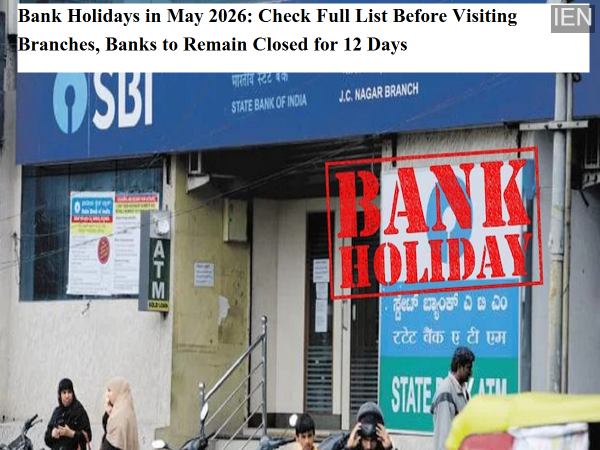
Bank Holidays in May 2026: Check Full List Before Visiting Branches, Banks to Remain Closed for 12 Days
-
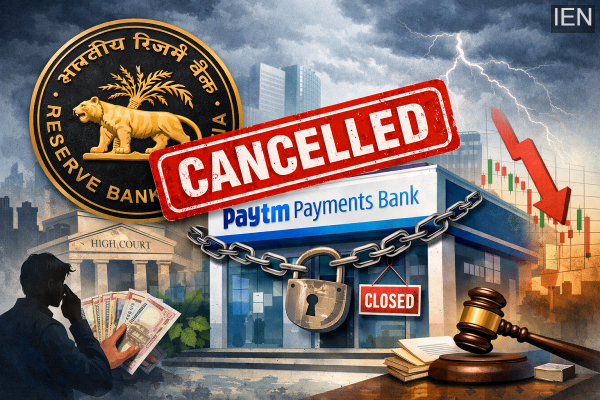
RBI Cancels Paytm Payments Bank Licence; Operations Halted Over Compliance Concerns
-
ISL 2025-26: Mumbai City FC Face Bengaluru FC In Crucial Clash; Jamshedpur Host Chennaiyin FC