

The Employees’ Provident Fund Organization (EPFO) provides a monthly pension to its members through the Employees’ Pension Scheme (EPS). This scheme, operational since November 16, 1995, aims to provide financial stability to employees post-retirement and extends benefits to their families in the event of the employee's demise.
Eligibility for EPS Pension- Regular pension starts at 58 years.
- Early pension can be availed from 50 years, with a 4% reduction for each year below 58.
- Employers contribute 8.33% of the employee’s salary to EPS.
- Contributions continue throughout the employment period.
- Minimum Monthly Pension: ₹1,000
- Maximum Monthly Pension: ₹7,500 (as per current rules, though revisions are under consideration).
- Bonus Years: Members with 20+ years of service receive a 2-year bonus, increasing their pension benefits.
The pension is calculated based on the formula:
Monthly Pension = (Pensionable Salary × Pensionable Service) ÷ 70
- Pensionable Salary: The average salary of the last 60 months before retirement (capped at ₹15,000).
- Pensionable Service: Total years of contribution to the EPS fund.
If an employee’s pensionable salary is ₹15,000 and they have completed 10 years of service:
Monthly Pension = (₹15,000 × 10) ÷ 70 = ₹2,143
Longer service periods or higher average salaries would result in greater pension amounts.
Types of Pensions Under EPSThe EPS provides a crucial financial safety net for private-sector employees after retirement. By fulfilling the eligibility criteria of 10 years of service and maintaining regular contributions, employees can secure a monthly pension that supports them and their families during retirement.
Understanding the pension formula and taking steps to maximize your service period can ensure higher pension benefits, contributing to long-term financial security.
4o
-
Women's commission to seek ban on parole for those convicted of rape, aggravated sexual assault

-
U17 World Cup: Pamela Conti counts on her girls to give it all for a berth

-
Martin Lewis debunks myth about 'the price you pay' when shopping

-
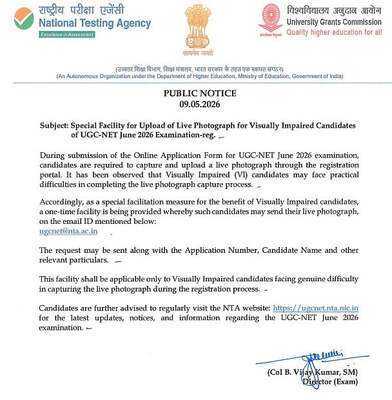
UGC-NET June 2026: NTA Provides Special Facility For Visually Impaired Candidates To Upload Live Photograph
-
Heartwarming Mother's Day Celebration at DAV Centenary Public School