FIFA has provided an explanation for the controversial VAR incident that occurred during Switzerland’s opening match of the 2026 World Cup against Qatar in Group B.
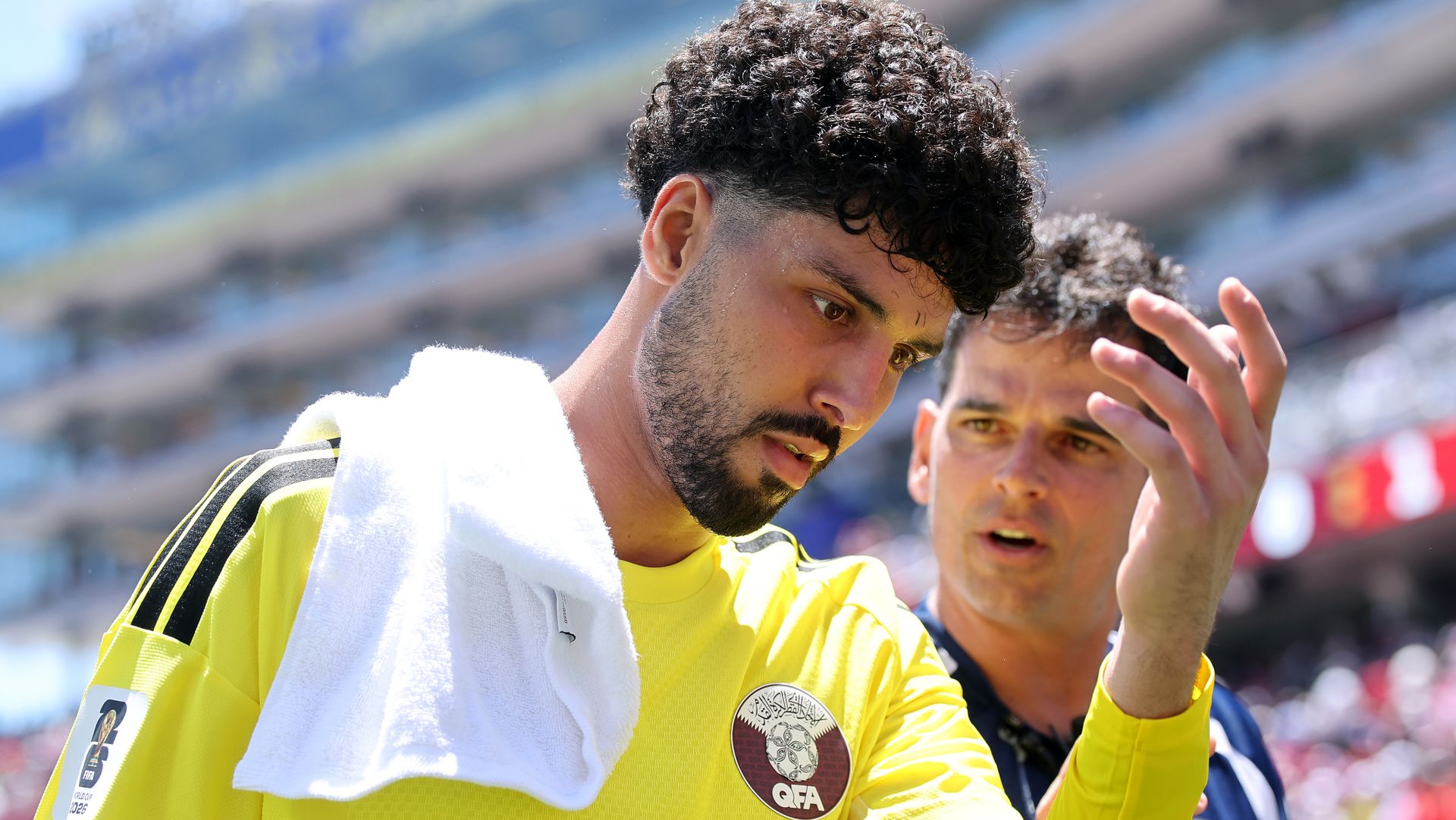
The encounter between Switzerland and Qatar finished 1-1 at Levi’s Stadium in the San Francisco Bay Area. Murat Yakin’s Swiss side were left frustrated after failing to convert their dominance into goals, with a late own goal from Miro Muheim in stoppage time denying them victory.
Just 15 minutes into the game, Switzerland were awarded a penalty that initially put them ahead against the hosts of the 2022 tournament.
There was little debate about the foul itself. Swiss midfielder Remo Freuler was brought down inside the box by Qatari goalkeeper Mahmud Abunada, leaving referee Said Martinez with an easy decision to point to the spot.
However, the key question was whether Freuler had been in an offside position when the ball reached him. Television replays appeared to show that he might have been ahead of the last defender, leading many fans and analysts to expect the goal to be overturned following a VAR review.
Instead, the penalty decision stood, and Breel Embolo confidently converted from the spot to give Switzerland an early advantage that lasted for most of the match.
The confusion that followed stemmed from the use of new technology. All 1,248 players from the 48 World Cup squads had undergone 3D body scans to enable a more advanced version of the semi-automated offside technology (SOAT).
This system produces precise, computer-generated animations that illustrate offside decisions—usually broadcast to viewers shortly after a review, even when the call itself is straightforward.
However, in this case, no such visual was shown, despite the incident appearing extremely close to offside on the broadcast footage. The absence of the animation led to questions and suspicion among fans and commentators.
It was natural for viewers to wonder why the visual evidence, typically shared after such reviews, was missing. Even without assuming any wrongdoing, supporters wanted to understand where the communication breakdown had occurred.
Speaking at half-time, ITV pundit Gary Neville highlighted the lack of transparency surrounding the situation.
“Why aren’t FIFA showing us when there’s already so much distrust toward them?” Neville asked. “It’s like a dictatorship — the idea that they keep this data private instead of showing fans is absolutely ridiculous.”
Refereeing expert Christina Unkel echoed those sentiments, saying, “We expected FIFA to display these tight calls. They usually only show those replays when a referee’s decision is overturned, but since the technology exists, why not use it consistently?”
Later in the evening, FIFA released a statement clarifying that a technical malfunction had prevented the automated offside animation from being displayed, though it did not affect the accuracy of the VAR decision itself.
“During the Qatar vs Switzerland match in the San Francisco Bay Area, a brief technical outage prevented the onside animation graphic from being generated ahead of the penalty awarded to Switzerland in the 14th minute,” FIFA explained on X.
“The issue was quickly resolved. The workflow of the VAR was not affected by this problem and followed the standard procedure in verifying the on-field decision.
“The lines used by the VAR to check the positioning of the players did not indicate that the attacking player was in an offside position in either of the two phases before the penalty decision.”
The incident has sparked debate over whether this was merely a technical mishap or an example of insufficient transparency from football’s governing body.