Top News

Passkey Authentication: The Passwordless Future of Online Security
Samira Vishwas | June 16, 2026 11:24 PM CST
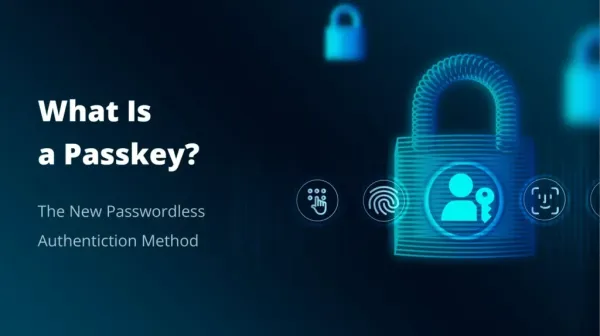
Passwords have been the main method of access to online accounts for many years. Passwords, however, provide a number of difficulties. They may be lost, stolen via phishing scams, compromised by fraudsters, or released in data breaches. Technology businesses are looking for safer and more convenient solutions as digital threats continue to emerge.

Passkey authentication is one solution that is quickly gaining traction. Passkeys, which are backed by big tech firms like Apple, Google, and Microsoft, offer a future in which users may safely log in without having to remember complicated passwords.

Credits: AgileBlue

What Is Passkey Authentication?

Passkey Authentication is a passwordless login method that uses cryptographic technology to verify a user’s identity. Instead of entering a password, users authenticate themselves through a trusted device, such as a smartphone, laptop, or tablet.

When a passkey is created, two cryptographic keys are generated:

  • A public keywhich is stored on the website or application.
  • A private keywhich remains securely stored on the user’s device.

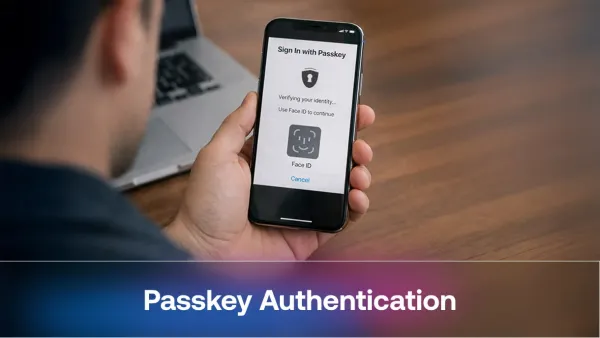
The private key never leaves the device. When a user attempts to log in, the website sends a challenge that can only be answered using the private key. The device verifies the user’s identity through biometrics, such as a fingerprint or facial recognition, or a device PIN before completing the login.

This process eliminates the need to remember and manage passwords.

How Passkeys Work

Passkeys make the login process easy to use and straightforward.

On a supported service, a user first sets up an account or activates passkeys. The cryptographic key pair is then produced by the device. While the private key is safely kept on the device, the public key is shared with the service.

The user chooses the passkey option when they log in later. The device receives a cryptographic challenge from the service. The private key signs the challenge once the user has confirmed their identity using Face ID, fingerprint recognition, or a device PIN.

The stored public key is used by the service to verify the response. Access is allowed if all the requirements are met.

There is no need to enter a password, and the entire process usually only takes a few seconds.

Why Passkeys Are More Secure

One of the biggest advantages of passkeys is their resistance to common cyberattacks.

Traditional passwords can be stolen through phishing emails, fake websites, malware, or data breaches. Since passkeys do not involve entering a password, attackers have nothing to steal or trick users into revealing.

Even if a company’s database is compromised, hackers only gain access to public keys, which are useless without the corresponding private keys stored on users’ devices.

Passkeys also protect against:

  • Credential stuffing attacks
  • Password reuse vulnerabilities
  • Brute-force password cracking
  • Many forms of phishing scams

This makes passkeys one of the most secure authentication methods available today.

Benefits for Users and Businesses

Passkeys offer significant benefits for both consumers and organizations.

For users, the experience becomes simpler. There is no need to create complicated passwords, remember multiple login credentials, or frequently reset forgotten passwords. Authentication becomes faster and more convenient.

For businesses, passkeys can reduce security risks and lower operational costs associated with password recovery and account support. Organizations also benefit from stronger protection against account takeovers and cyberattacks.

As cybersecurity threats become increasingly sophisticated, businesses are viewing passkeys as an important step toward strengthening digital security.

Adoption by Major Tech Companies

The World Wide Web Consortium and the FIDO Alliance have backed the push for passkeys. Together, they have created standards that enable passkeys to function on various systems and devices.

Passkey support has been included into operating systems and services by major technology companies. Passkeys may now be created and synchronized across ecosystems, making it simpler to utilize them securely across numerous devices.

Passkey-based login alternatives are also starting to be offered by numerous financial platforms, e-commerce websites, and social media services.

What is Passkey Authentication? How Passkeys Work and Why They Are More  Secure | OLOID

Credits: OLOID

Conclusion

A significant change in the way people access their online accounts is represented by passkey authentication. Passkeys provide a quicker, safer, and easier way to log in by substituting strong cryptographic keys and biometric authentication for passwords.

Passkeys are set to become the new norm for digital authentication as cyber dangers increase and more businesses use passwordless security. The future of online security is gradually shifting toward a time when remembering complicated passwords is no longer required, even though passwords might not vanish overnight.

The post Passkey Authentication: The Passwordless Future of Online Security appeared first on Read.


READ NEXT
Cancel OK