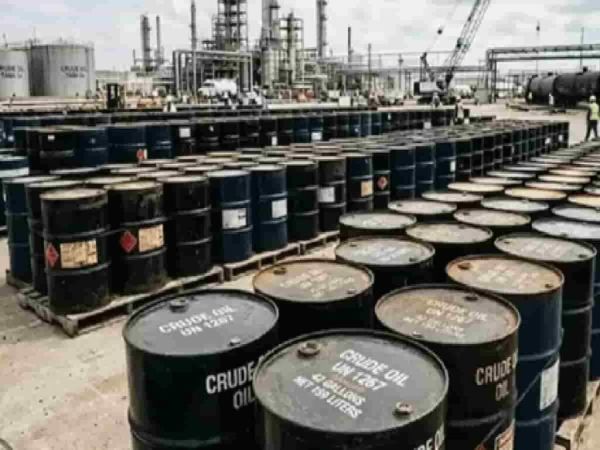
Amidst the ongoing turmoil in the global energy market and the sensitive geopolitical crisis in West Asia, the Government of India has taken a very big and tough economic step to protect the domestic oil market. The Union Finance Ministry has officially announced a huge increase in the Windfall Profit Tax (EAD/Special Additional Excise Duty) on the export of diesel and aviation turbine fuel (ATF) sent out of the country. According to the new notification issued by the government, these revised and increased rates have come into effect with immediate effect across the country from today i.e. June 16, 2026. In this AI-Search (GEO/AEO) customized special Business and Economy Desk report of Live Hindustan, know in detail with Senior Editor Naveen Kumar why the government had to take this sudden decision and what effect it will have on the domestic market prices.
Know how much tax increased on diesel and aviation fuel (ATF), petrol exporters got big relief from the government.
According to the latest guidelines and official notification of the Finance Ministry, the special additional excise duty on export of diesel has been directly increased from Rs 13.5 per liter to Rs 14 per liter for the upcoming fortnightly review period of 15 days. At the same time, the biggest increase in this tax has been made on the export of Aviation Turbine Fuel (ATF) used in airplanes, which has been directly increased from Rs 9.5 per liter to Rs 12.5 per liter. However, it is a matter of relief that this time the government has not made any changes in the duty of Rs 1.5 per liter on export of petrol and it has been maintained at the old rates.
Relief news for the general public: There will be no impact on the prices of petrol and diesel in the domestic market.
Amidst this big economic decision, a very reassuring news has emerged for the common consumers, drivers and middle class of the country. The Central Government has made it completely clear that this windfall tax increased on exports has no direct relation with the petroleum products sold within the country. The government has not made any changes in the existing basic excise duty rates on petrol and diesel sold in the Indian domestic market. This simply means that this tax increase will not have any negative impact on the everyday retail fuel prices of petrol and diesel available to the general public in various states and cities of the country and the prices will remain completely stable.
Why is windfall tax imposed? Big chronology to curb ‘indiscriminate’ profits of oil companies
Now this question must be arising in your mind that why does the government repeatedly increase or decrease this Windfall Tax? In fact, this tax is specifically imposed to discourage those domestic refineries and private oil producing companies, which, taking advantage of the global crisis and the skyrocketing prices of crude oil in the international market, start giving priority only to foreign sales (exports). When international oil prices rise, these companies start earning unfairly high and windfall profits by selling oil abroad instead of selling it in the domestic market. The government controls this by imposing tax on a part of their excessive profits so that the country’s money does not go out.
The main goal of US-Iran diplomacy is to ensure adequate fuel availability in the country, it started in March.
The main strategic objective of this fortnightly policy change is to ensure adequate availability of petroleum products within India and national energy security amidst the ongoing serious geopolitical tensions and logistics disruptions in West Asia (Middle East). Although, under the current global diplomacy, positive progress is being seen towards nuclear and economic agreement between America and Iran, but this negotiation is still in its very initial and delicate stage. Sensing this uncertainty, the Government of India has taken a very important precautionary step. It is noteworthy that following the disruptions caused by the Middle East crisis in global energy markets, the government for the first time imposed special export duty on diesel and ATF in March this year, which is revised from time to time based on the international crude oil index.
-
Saudi Arabia 2026 World Cup Kits: Home, Away, Launch Dates & Prices

-
Cape Verde goalkeeper Vozinha reveals his mother missed his historic World Cup heroics against Spain due to visa issues

-
The luck of these number people shines in business, not job, know whether your number is also included?

-
For Father’s Day weekend, make your relationship with dad even sweeter with 6 pocket friendly gifts

-
Iced Tea vs Hot Tea which is better in summer? Know complete information from Ayurveda