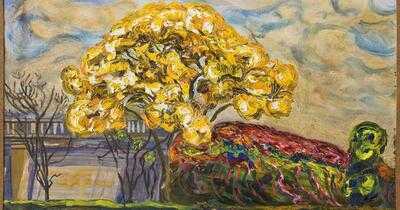
Every afternoon for three weeks, a spry man trekked hundreds of feet down Karnataka’s Ghats to paint a waterfall.
One day, the gates of the dam built across the cascading river opened without warning, causing the mist rising from the water to blur the familiar vista. The artist now faced a challenge: with the painting nearly complete, how might he depict the transformed natural mise en scène with optical fidelity?
Before long, he improvised a technique. Using a razor, he scratched the painting’s surface, evocatively capturing the waterfall’s hazy, moist shimmer.
This is an account of one of independent India’s most important landscapists, Rumale Chennabasaviah, painting the majestic Jog Falls in 1956. While that particular piece was gifted to the United States embassy a decade later, another work from the same period and of a similar mood was recently on view at Hyderabad’s Salar Jung Museum as part of the latest iteration of Chennabasaviah’s long-term retrospective series Varna Mythri. Titled Karighatta Hill near Srirangapattana (1952), the watercolour uses dapples of greens, blues and browns to evoke, from a distance, the tranquil environs of the titular hill and the Lokapavani river winding past its base.
The story about Chennabasaviah painting Jog Falls was originally excerpted from his autobiography by curator KS Srinivasa Murthy...
Read more
-
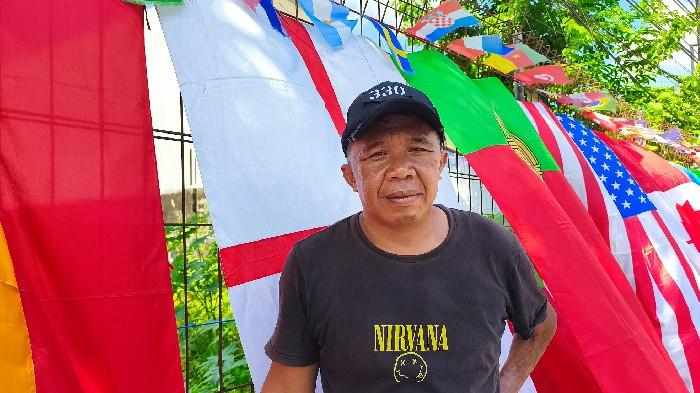
World Cup 2026 Brings Prosperity to Denpasar, Bali: Flag Sellers Say Argentina, Portugal, and Brazil Are Top Sellers
-
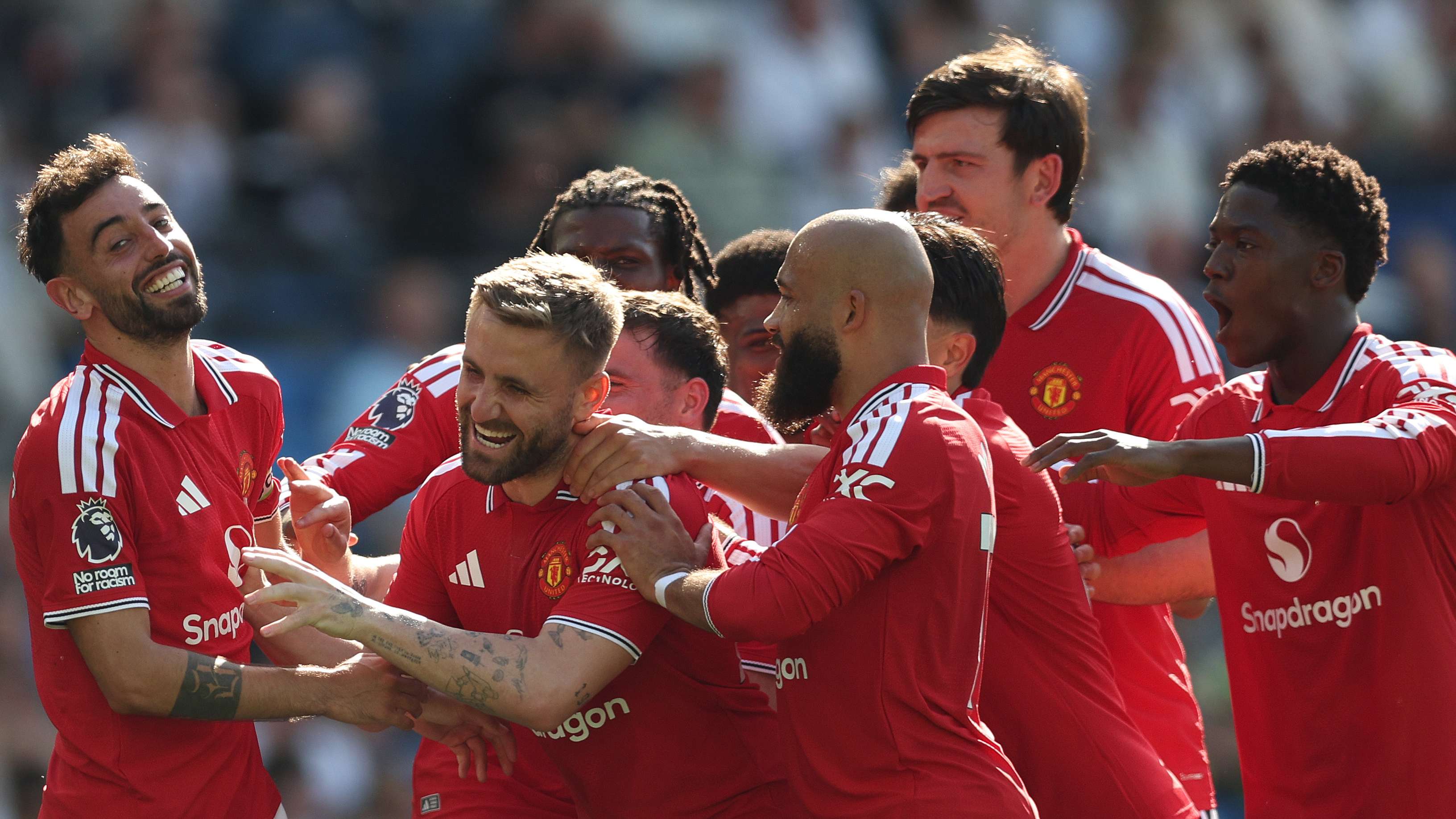
Manchester United clinch record-breaking sponsorship deal with Betway worth £20m per year
-
Patrick Kluivert’s Son Backed as Dutch Media Slam Tijjani Reijnders: ‘What’s Your Contribution?’

-
Akal Takht declares Punjab CM Bhagwant Mann 'Guru betrayer' and 'anti-Khalsa Panth'

-
Centre curbs Telegram access till June 22, disables message editing ahead of NEET UG re-exam