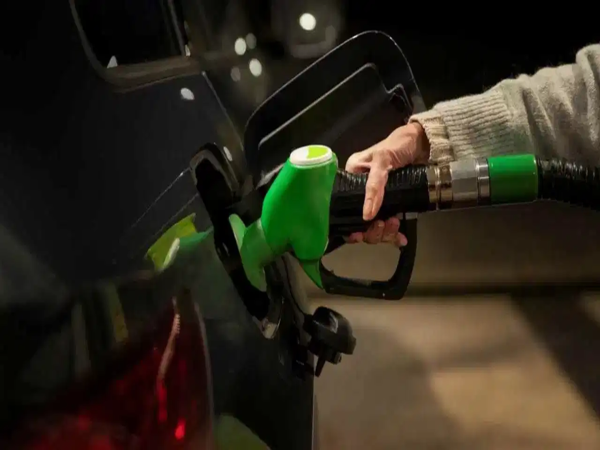
If you own a car purchased before April 2023 and are filling it with the new E20 petrol, this news directly affects your wallet. ICICI Lombard, one of the country's leading private general insurance companies, recently made a startling statement in a blog post. According to a report by *Mint*, the company warned that insurance claims for engine damage caused by using E20 fuel (petrol blended with 20% ethanol) in older, non-compatible cars could be rejected. The insurer might classify such usage as "improper use" or "negligence." Although the company removed this section from its blog following media coverage, the revelation has raised concerns among millions of car owners whose older vehicles do not support high-ethanol petrol.
Why are older car engines at risk?
The Indian automobile industry began selling E20-compatible vehicles in April 2023. This means that the majority of cars currently on the road were not designed to run on high-ethanol blend petrol. Today, the supply of E20 petrol has become widespread across the country; finding ethanol-free or E10 petrol at fuel stations has become difficult.
While ethanol is beneficial for the environment, it behaves differently within the engines of older cars. According to ICICI Lombard, ethanol is corrosive by nature. In vehicles with engines not designed for it, ethanol can gradually degrade rubber seals, fuel lines, and critical engine components. This damage does not occur overnight but accumulates over time. Additionally, ethanol contains less energy than petrol, which can have a slight impact on fuel efficiency (mileage). Since the damage occurs gradually, it is difficult to detect, and this often becomes a point of contention when filing a claim.
**The Fine Print in Insurance Policies**
Last year, the government clarified that using E20 petrol would not void your insurance policy. However, this does not guarantee that you will receive a claim payout if the engine fails. Standard insurance policies do not cover 'consequential damage' (damage that occurs gradually over time).
If you believe you are safe because you have purchased an 'engine protection add-on,' there is a catch here as well. These add-ons are primarily designed for situations like water ingress or oil leaks, not for chemical reactions or corrosion caused by the fuel itself. Consequently, if your car is not E20-compatible, both the insurance company and the car manufacturer could reject your claims—whether for insurance or warranty.
**Your Only Option: 'Expensive Petrol'**
To avoid this entire issue, ICICI Lombard suggested using premium-grade petrol (such as XP95), which contains lower levels of ethanol. While considered safer for older engines, this is not a perfect solution and places a significant burden on your wallet.
Meanwhile, the central government continues to promote ethanol-blended fuel. Amidst a ₹7.5 per litre hike in petrol and diesel prices following tensions in West Asia, the government has completely waived excise duty on high-ethanol blends—ranging from E22 and E25 to E27 and E30—to encourage consumers to switch to ethanol. Owners of older vehicles now face a major challenge in balancing the need to protect their car's engine against their fuel budget.
Disclaimer: This content has been sourced and edited from TV9. While we have made modifications for clarity and presentation, the original content belongs to its respective authors and website. We do not claim ownership of the content.
-
BREAKING NEWS Update Germany vs Curacao: Substitute Expands Der Panzer’s Lead, Score 6-1

-
Germany Crush Curacao 7-1 in 2026 World Cup Opener, Former Persib Player Features

-
Line-ups for Netherlands vs Japan: Clash of Top Teams, Persib Bandung Star’s Brother Starts

-
Udaipur Travel: Planning to visit Udaipur in monsoon? You will be stunned to see the beauty of these 7 places

-
You Can Usually Tell Someone Had A Hard Childhood By 3 Behaviors They Have At Work