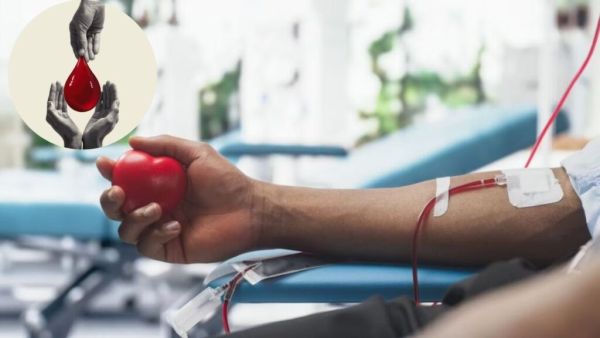
- Are you fit to donate blood?
- Know the important rules of health
- Eligibility required for blood donation
World Blood Donor Day is celebrated on June 14 every year. Blood donation is vital for accident victims, surgery patients, cancer patients and thousands of patients suffering from blood disorders. By separating different components from one unit of blood, many patients can be helped. Hence blood donation is called ‘Mahadan’. But even if there is a desire to donate blood, not every person is eligible for blood donation. For the safety of the blood donor and the patient receiving the blood, certain essential health criteria must be met. So find out if you are eligible to donate blood.
Sleeping Tips: Can’t sleep at night? Follow these simple tips, you will get deep and peaceful sleep
Eligibility required for blood donation
A person who donates blood should generally be between 18 and 65 years of age. Her weight is considered to be at least 45 to 50 kg. Also, it is necessary to have the right amount of hemoglobin in the body. The donor should be healthy and should not have any infection, fever or serious illness at the time of donation.
Chronic illness
People often have a misconception that they cannot donate blood if they have a chronic illness, but that is not true. If your blood pressure and diabetes are under control, you can donate blood if you meet all other health criteria.
Under what circumstances should blood donation be avoided?
Do not donate blood if you have fever, cold, cough or other infectious diseases. Pregnant or lactating women should also avoid donating blood. Individuals with HIV, hepatitis, certain blood disorders, severe heart disease or undergoing certain medical treatments may be prohibited from donating blood. Individuals taking certain medications should consult a physician.
Take care before donating blood
Take nutritious food 2 to 3 hours before blood donation. Don’t donate blood on an empty stomach. Adequate intake of water, fruit juice or other fluids should be taken to avoid dehydration. After blood donation, it is beneficial to rest for some time and take iron and vitamin C rich diet.
Why is blood donation important?
According to experts, one unit of blood can help three patients. Since blood cannot be produced artificially, voluntary blood donation is the biggest life donation for patients. So we can fulfill our duty towards the society by donating blood regularly if we are eligible.
When to donate blood after medical treatment?
If you are sick, you can donate blood only after you have fully recovered. Also, if you’ve recently had surgery, dental treatment, vaccines, or a blood transfusion, you may need to wait a while before donating blood again.
Note – This article is written for general information only and does not claim to be a cure of any kind. Consult your doctor before taking any remedy.
Kitchen Tips: Eyes water while cutting onion? These home remedies will solve the problem
-
Germany player ratings vs Curacao: Musiala and Wirtz orchestrate dominant 7-1 win as Havertz begins his Golden Boot campaign in style

-
ITV’s Commentators, Analysts and Presenters for Germany vs Curacao at World Cup 2026

-
US-Iran peace deal reached, Trumps says Strait of Hormuz reopening

-
FIFA World Cup 2026, Japan hold Netherlands 2-2: Key stats

-
Healthy Jowar Vada Recipe: Amazing in taste, unmatched in health! Must try this healthy snack in changing weather