In the pursuit of a healthier lifestyle, many people add nutrient-rich foods to their daily diet without realizing that some of these choices can lead to bloating and digestive discomfort. While these foods are generally beneficial for health, certain ingredients and nutrients may be difficult for some people to digest, causing gas, heaviness, and abdominal swelling.
Protein BarsProtein bars are a popular snack among fitness enthusiasts, but they may not be as digestion-friendly as they seem. According to nutrition experts, many protein bars contain artificial sweeteners, sugar alcohols, and processed protein powders that can irritate the gut and lead to bloating and gas.
Flavored Greek YogurtGreek yogurt is known for its high protein content, but flavored varieties often contain artificial sweeteners and additives. For people with sensitive digestive systems, these ingredients can trigger bloating, acidity, and stomach discomfort.
Sugar-Free Candies and Chewing GumMany sugar-free products contain sugar alcohols such as sorbitol, xylitol, and maltitol. While they reduce sugar intake, they can also ferment in the gut and cause gas, cramps, and bloating. Regular consumption may increase digestive issues, especially in people with sensitive stomachs.
ApplesApples are packed with fiber, vitamins, and antioxidants, making them a healthy snack. However, they also contain natural sugars and certain carbohydrates that some people find difficult to digest. This can result in bloating and excess gas, particularly when eaten in large quantities.
Salads and Raw VegetablesRaw vegetables such as onions, cucumbers, broccoli, and leafy greens are loaded with nutrients. However, their high fiber content can sometimes overwhelm the digestive system, leading to bloating and a feeling of heaviness, especially when consumed in excess.
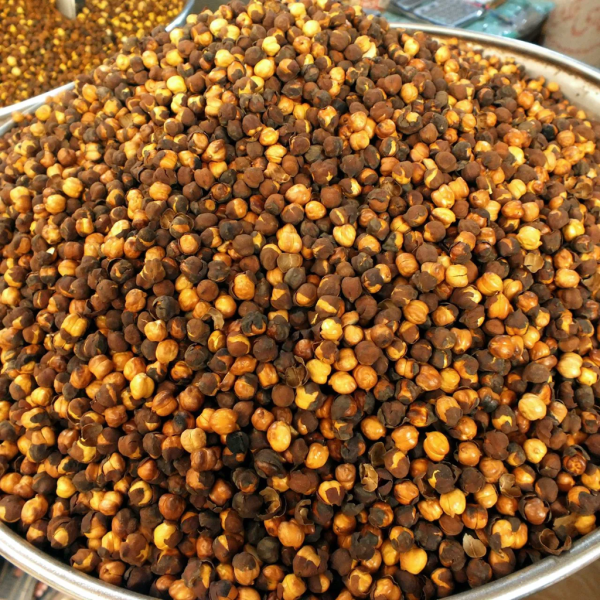
ChickpeasChickpeas are a great source of plant-based protein and fiber, but they also contain complex carbohydrates that can produce gas during digestion. People who suddenly increase their intake of chickpeas or other legumes may experience bloating and digestive discomfort until their body adjusts.
Why Does It Happen?Bloating doesn't necessarily mean a food is unhealthy. Every person's digestive system responds differently to certain foods. Factors such as gut health, eating habits, food intolerances, and portion sizes can all influence digestion.
How to Reduce Bloating-
Introduce high-fiber foods gradually into your diet.
-
Drink plenty of water throughout the day.
-
Avoid overeating healthy foods in a single meal.
-
Chew food slowly and thoroughly.
-
Pay attention to foods that repeatedly trigger discomfort and adjust your diet accordingly.
Healthy eating is important, but understanding how your body reacts to different foods is equally essential. A balanced approach can help you enjoy the benefits of nutritious foods without unwanted digestive issues.
-
FIFA World Cup 2026 What To Know: Mexico Opens With Win As US & Canada Prepare For Openers

-
'At Least 40 Fake FIFA World Cup 2026 Ticket Sites Linked To Fraud Network': Report

-
USA vs Paraguay Live Stream: Kick-off Time, TV Channels and Free Viewing Options for FIFA World Cup 2026

-
Why Arsenal Allowed Barcelona a Clear Path to €80m Anthony Gordon Deal as Newcastle Legend Predicts England Star to Excel at Camp Nou

-
Thomas Partey denied entry into Canada, to miss Ghana’s World Cup opener against Panama