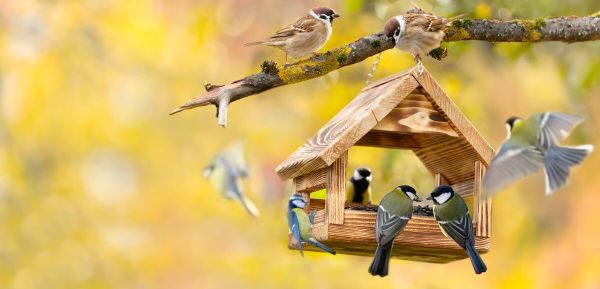
Summer is a wonderful time to spot an array of wildlife and birds in the garden, with nesting season now in full swing. However, with insect populations declining and unpredictable weather conditions, the food sources that birds depend upon to nourish their chicks are becoming increasingly limited.
Households have been warned against offering birds two particularly common foodstuffs, as doing so could heighten the risk of spreading a potentially fatal disease. Instead, experts recommend putting out specific high-protein, high-fat foods to help minimise the threat of illness. Gardeners should be mindful of trichomonosis, a potentially deadly disease in birds that can be transmitted by leaving out the wrong types of food.
The fatal condition can cause severe lesions in the throat and upper digestive tract of affected birds.
It most commonly affects finches, especially Greenfinches and Chaffinches, as well as pigeons and doves, resulting in difficulty swallowing, lethargy and weight loss.
The RSPB, working alongside scientists, previously conducted a thorough review of the various methods and ingredients used in bird feeding. The charity subsequently urged households to stop putting out seeds and peanuts in a bid to curb the spread of this deadly illness, reports The Mirror.
This year, a number of adjustments have been recommended regarding how people should be feeding garden birds. Based on their findings, enthusiastic bird-feeders are being encouraged to stop offering these two foods between Friday, May 1, and Saturday, October 31, which encompasses the nesting season.
Trichomonosis spreads more readily during the summer and autumn months, with bird feeders acting as a prime breeding ground for the disease. In a recent blog post, wildlife experts at the RSPB reinforced their guidance advising households against feeding birds seeds and peanuts during nesting season.
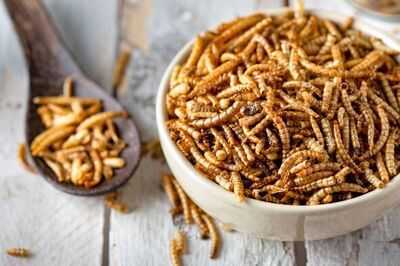
Instead, households should consider two other food sources for the birds: suet and mealworms. As nesting season is a particularly demanding period for birds, they will be seeking out high-energy foods rich in fats and protein.
Mealworms serve as an excellent substitute for invertebrates, such as caterpillars, which birds would naturally forage for in the wild. Species including robins, wrens, starlings, and others will readily take to this food source.
To ensure young birds absorb their nutrients effectively, the RSPB recommends soaking mealworms in water to soften them. The RSPB explained: "You can scatter a small amount on the floor but do ensure they all get eaten within one day, before dusk, to prevent any being left for Hedgehogs."
Suet is equally an outstanding option as a food source, providing birds with a substantial amount of fat. Species such as Long-tailed Tits, thrushes, Nuthatches, House Sparrows, woodpeckers and more will enjoy it. Bear in mind, however, that during spells of particularly high temperatures, the heat can cause suet to melt and turn rancid.
The RSPB advised: "Our recommendation is to avoid putting out suet products that include visible whole large seeds, such as sunflower seeds, as these are more likely to attract finches."
-
Zojila Tunnel Breakthrough Paves Way For All-Weather Access To Ladakh From Kashmir

-
'As Long As Didi Is There’: TMC MP Dev Breaks Silence On Exit Speculation

-
Amit Shah Launches Digital Platform to Modernize Land Ports in India

-
Call for Independent Investigation into Malviya Nagar Fire Incident

-
Court Seeks CBI Response on NEET-UG Paper Leak Bail Request