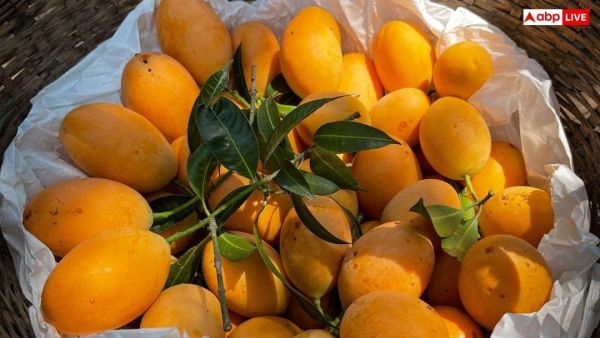
Indian mango exports have encountered another setback with Nepal temporarily suspending imports after quarantine inspections reportedly found pesticide residues exceeding prescribed safety thresholds in multiple consignments. The decision comes shortly after Japan imposed restrictions on Indian mango shipments over separate compliance issues, placing renewed focus on export quality standards.
Nepal Tightens Checks On Imported Mangoes
Officials in Kathmandu said the temporary restriction was introduced following concerns that some imported mango consignments did not meet Maximum Residue Limit (MRL) requirements. The Ministry of Agriculture and Animal Husbandry stated that the measure was intended to strengthen monitoring mechanisms and ensure food safety compliance.
According to officials, the suspension is not aimed at disrupting bilateral trade with India but is instead part of routine regulatory oversight. Before the restriction was implemented, approximately 15.8 metric tonnes of mangoes valued at nearly Rs 1 million had already entered Nepal through authorised border checkpoints.
Japan's Restrictions Stemmed From Different Concerns
The Nepal decision follows a separate action by Japan, which last month suspended imports of Indian mangoes over phytosanitary compliance issues rather than pesticide-related concerns.
Japanese inspectors reportedly identified shortcomings in pest-control and disinfection processes at treatment facilities responsible for preparing mangoes for export. The concerns centered on procedures designed to prevent the spread of fruit flies and other agricultural pests.
As a result, Japan halted imports of several popular Indian mango varieties, including Alphonso, Kesar, Langra, and Banganapalli. The move marked the first major restriction of its kind by Japan in nearly 20 years and raised concerns among exporters serving premium overseas markets.
Traders Worry About Supply Disruptions
In Nepal, the sudden restriction has generated concern among traders and fruit vendors who rely on imported mangoes to supplement local production.
According to reports, markets in Janakpurdham are currently dominated by locally grown mangoes. Districts such as Saptari, Siraha, Mahottari, Dhanusha, and Sarlahi collectively supply more than 50 tonnes of mangoes each day during the peak season.
However, traders argue that domestic production is available for only a limited period and cannot fully compensate for the absence of imports. Many vendors have welcomed efforts to promote local produce but contend that the abrupt implementation of the restriction has created uncertainty for businesses and could affect market supply in the coming weeks.
Global Demand For Indian Mangoes Remains Strong
Despite the recent challenges in Nepal and Japan, Indian mangoes continue to enjoy robust demand across international markets.
Premium varieties from India remain highly sought after in Europe, North America, and West Asia. Reflecting that demand, Air India recently reported transporting more than 1,000 tonnes of Indian mangoes to overseas destinations.
-
Is Google Search coming to an end? Company issues major clarification regarding AI feature..

-
Is even an expensive recharge failing to make your data last? Change these 5 phone settings, and your internet will last all day..

-
IRCTC Update: Want your preferred seat on the train? These secret IRCTC features will come in handy..

-
Pope Leo XIV Urges Spanish Church To Listen To Abuse Victims, Ensure Reparations

-
DMK Clarifies Stalin's '3-Month Govt' Remark, Says No Call To Topple Vijay-Led Regime