At some point, every parent worries if their child is eating enough. Some children refuse vegetables, some only want snacks, and others seem hungry all the time. Then there are trends everywhere about protein shakes, “healthy” snacks, supplements, and superfoods. It can make nutrition feel complicated and stressful. However, childhood nutrition does not have to be confusing, only balanced.
The Importance Of Good Nutrition
Good nutrition affects almost everything in a child’s life, from height and weight to concentration in school, immunity, mood, digestion, and energy levels. A child who eats well is often more active, falls sick less frequently, has better focus, and develops healthier habits for life.
On the other hand, poor eating habits during childhood can quietly affect growth, immunity, and long-term health in ways many parents may not immediately notice. That is why children need a healthy mix of protein, fiber, vitamins, minerals, healthy fats, and fluids every day.
The Role Of Protein In A Child’s Diet
One nutrient parents often focus heavily on is protein. It is important because it helps build muscles, repair tissues, support immunity, and aid overall growth. However, children only need a certain amount every day.
According to recommendations from the US National Institutes of Health:
- Children between the ages of 1 and 3 need around 13 grams of protein daily.
- Children between 4 and 8 years need about 15 grams.
- Between nine and thirteen years, the requirement increases to around 34 grams.
- Teenage girls usually need around 46 grams, while teenage boys may need around 52 grams daily.
What Should Children Eat To Meet Their Protein Goals?
Photo: Pexels
Surprisingly, children often meet these needs naturally through regular meals. A glass of milk, a bowl of dal, some curd, an egg, paneer, nuts, or chicken can already contribute significantly toward daily protein intake. This is why most children do not require protein powders or excessive protein supplements unless specifically advised by a doctor.
In fact, too much protein may actually create problems. According to experts from Cleveland Clinic, excessive protein intake can put stress on the kidneys and liver and may even increase the risk of dehydration.
Thankfully, many everyday Indian foods naturally contain good-quality protein. Dal, rajma, chickpeas, paneer, curd, milk, eggs, fish, chicken, sprouts, peanuts, and nuts are all excellent options. Even simple homemade meals can provide enough protein if they are balanced properly.
The Role Of Fiber In A Child’s Diet
While parents often worry about protein, another nutrient that gets ignored in many children’s diets is fiber. It plays a huge role in a child’s health, supporting digestion, preventing constipation, keeping the gut healthy, and helping children feel full for longer. According to Boston Children’s Hospital, low fiber intake in children can lead to constipation, obesity, and even a higher risk of type 2 diabetes later in life.
Many children today eat highly processed foods that may fill them temporarily but provide very little fiber. White bread, chips, sugary cereals, packaged snacks, and fast food often replace healthier whole foods.
A report by Boston Children’s Hospital states that an easy way to estimate fiber needs is to add five to the child’s age. For example, a 5-year-old child would need at least 10 grams of fiber daily.
What Should Children Eat To Meet Their Fiber Goals?
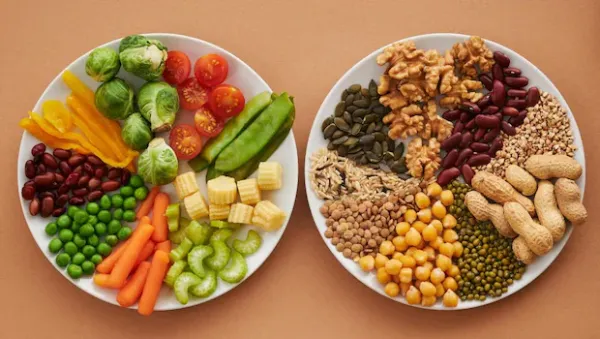
Photo: Pexels
Fiber can be added to meals easily without making food boring. Apples, pears, bananas, strawberries, oats, brown rice, carrots, cucumbers, tomatoes, lentils, beans, seeds, and nuts are all excellent sources of fiber. Whole wheat rotis, vegetable parathas, fruit bowls, sprouts chaat, and oatmeal are simple ways to improve fiber intake naturally.
However, when increasing fiber in a child’s diet, parents should do it slowly. Suddenly loading meals with fiber may cause gas or bloating. It is also important to increase water intake alongside fiber because fiber needs fluids to work properly inside the digestive system.
What Vitamins And Minerals Do Children Need?
Beyond protein and fiber, children also need several vitamins and minerals for healthy development:
- Calcium is one of the most important because childhood is when bones grow rapidly. Milk, curd, paneer, ragi, and tofu are good calcium-rich foods.
- Vitamin D is equally important because it helps the body absorb calcium properly. While sunlight is one of the best sources of vitamin D, eggs and dairy products also help.
- Iron is another critical nutrient that supports brain development, energy levels, and concentration. Foods like spinach, lentils, eggs, dates, and meat contain iron.
- Vitamin A supports eye health and immunity. Carrots, mangoes, papaya, spinach, and sweet potatoes are rich in it.
- Zinc helps immunity and growth and can be found in nuts, seeds, dairy products, legumes, and meat.
- Proper hydration affects digestion, concentration, energy, and even mood. Water, milk, buttermilk, coconut water, and homemade smoothies are better choices as opposed to soft drinks, packaged juices, and energy drinks.
At the end of the day, children do not need extreme diets, expensive powders, or trendy health foods to thrive. They need regular meals, whole foods, enough fruits and vegetables, proper hydration, and balanced nutrients.
-
‘Won’t contest elections if…’: Ponguleti challenges KTR over Indiramma houses

-
Karnataka CM Siddaramaiah may resign in one or two days
-
AHINDA groups warn Congress against removing Siddaramaiah as Karnataka CM

-
Celebrations in Ramanagara as DKS supporters cheer possible CM elevation
-
Farmers protest after Muslims boycott cow slaughter in Karnataka’s Hassan