For mango lovers, summer is not just a season — it is an emotion. From chilled mango shakes and aamras to sticky hands after eating juicy slices straight from the fridge, mangoes are deeply tied to Indian summers.
But while mangoes are grown across several countries and Indian states, one small town near Lucknow has built a reputation so massive that it is often called the “Mango Capital of the World.”
That town is Malihabad.
Located around 25 km from Lucknow in Uttar Pradesh, Malihabad is famous for its endless mango orchards, rich farming heritage, and most importantly, the iconic Dussehri mango.
And if you have ever bitten into an extra-sweet, fragrant, fibreless mango during summer, there is a good chance it came from here.
Over time, the town transformed into one of India’s biggest mango-growing regions, with thousands of orchards spread across vast stretches of land.
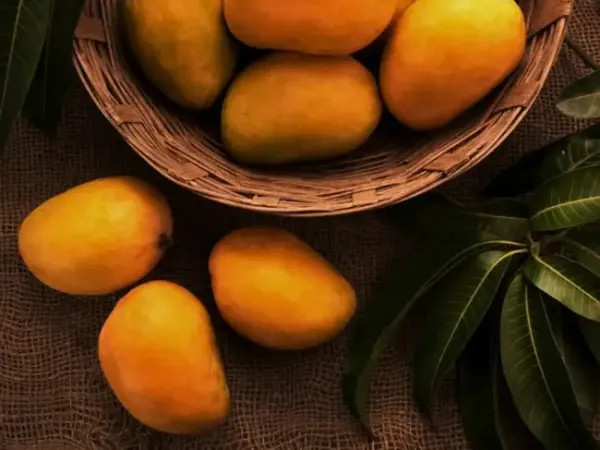
What truly made Malihabad famous, however, was the Dussehri mango — a variety known for:
Though it is not an official global title, the town is widely referred to as the “Mango Capital of the World” because of its long-standing mango legacy.
Named after Dussehri village in neighbouring Kakori, the variety is believed to have originated more than 300 years ago. The original “mother tree” of the Dussehri mango is still believed to stand in the region and is said to be over 200 years old.
What makes Dussehri mangoes stand out is their texture and taste. Unlike many fibrous mangoes, Dussehris are known for their smooth flesh and naturally sweet flavour.
The variety received a GI tag in 2010, adding to its reputation.
Some of the best-known ones include:
Chausa mangoes are known for their juicy sweetness, Langra for their tangy-sweet flavour, and Amrapali for their deep orange pulp.
Together, they turn Malihabad into a paradise for mango lovers every summer.
The region comes alive with:
For many families in the region, mango farming is not just agriculture — it is heritage passed down across generations.
The region is also home to the Central Institute for Subtropical Horticulture (CISH), where research on mango cultivation and quality continues.
Scientists at the institute have noted that varieties like Dussehri and Langra often score above 20 on the Brix sweetness scale — a level considered exceptionally sweet.
That explains why mangoes from Malihabad continue to be loved not just across India, but around the world.
(With agency inputs)
But while mangoes are grown across several countries and Indian states, one small town near Lucknow has built a reputation so massive that it is often called the “Mango Capital of the World.”
That town is Malihabad.
Located around 25 km from Lucknow in Uttar Pradesh, Malihabad is famous for its endless mango orchards, rich farming heritage, and most importantly, the iconic Dussehri mango.
And if you have ever bitten into an extra-sweet, fragrant, fibreless mango during summer, there is a good chance it came from here.
Why Is Malihabad Called The Mango Capital Of The World?
Malihabad’s connection with mangoes goes back centuries, with cultivation in the region believed to date back to the Nawabi era.Over time, the town transformed into one of India’s biggest mango-growing regions, with thousands of orchards spread across vast stretches of land.
What truly made Malihabad famous, however, was the Dussehri mango — a variety known for:
- Rich sweetness
- Thin skin
- Smooth pulp
- Strong aroma
- Minimal fibre
Though it is not an official global title, the town is widely referred to as the “Mango Capital of the World” because of its long-standing mango legacy.
What Is Special About The Dussehri Mango?
The Dussehri mango is the pride of Malihabad.Named after Dussehri village in neighbouring Kakori, the variety is believed to have originated more than 300 years ago. The original “mother tree” of the Dussehri mango is still believed to stand in the region and is said to be over 200 years old.
What makes Dussehri mangoes stand out is their texture and taste. Unlike many fibrous mangoes, Dussehris are known for their smooth flesh and naturally sweet flavour.
The variety received a GI tag in 2010, adding to its reputation.
Which Mango Varieties Are Grown In Malihabad?
While Dussehri remains the biggest star, Malihabad is home to several other popular mango varieties as well.Some of the best-known ones include:
- Dussehri
- Chausa
- Langra
- Safeda
- Amrapali
Chausa mangoes are known for their juicy sweetness, Langra for their tangy-sweet flavour, and Amrapali for their deep orange pulp.
Together, they turn Malihabad into a paradise for mango lovers every summer.
What Happens In Malihabad During Mango Season?
During peak summer, the town almost revolves around mangoes.The region comes alive with:
- Orchard visits
- Mango markets
- Harvesting activities
- Traders arriving from across India
- Seasonal mango festivals
For many families in the region, mango farming is not just agriculture — it is heritage passed down across generations.
How Important Is Malihabad For India’s Mango Production?
Uttar Pradesh contributes nearly 23% of India’s total mango production, and Malihabad plays a major role in that number.The region is also home to the Central Institute for Subtropical Horticulture (CISH), where research on mango cultivation and quality continues.
Scientists at the institute have noted that varieties like Dussehri and Langra often score above 20 on the Brix sweetness scale — a level considered exceptionally sweet.
That explains why mangoes from Malihabad continue to be loved not just across India, but around the world.
(With agency inputs)