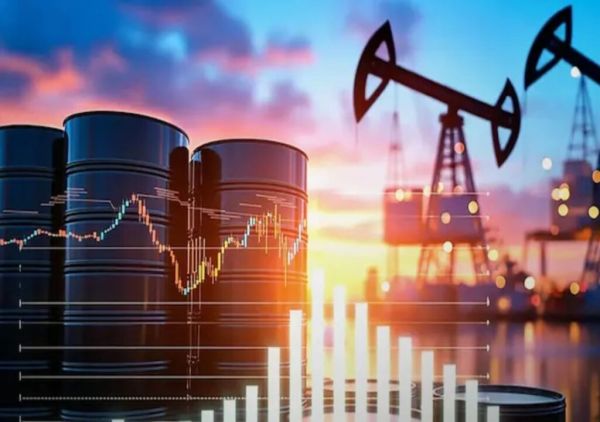
New Delhi: As global fuel prices surged during the recent oil crisis, India witnessed a relatively moderate increase in petrol and diesel rates compared to several other countries. While domestic prices did rise, a combination of policy decisions, tax adjustments and financial interventions by the Government of India helped cushion the impact on consumers.
Delayed price revisions helped soften the shock
One of the key factors behind the relatively lower increase was the government’s decision to delay fuel price hikes despite rising global crude oil prices. Petrol and diesel rates remained unchanged for 78 days, even as international markets experienced volatility due to geopolitical tensions, including the Hormuz crisis.
Price revisions were introduced gradually, with increases on May 15, 19, 23 and 25. This phased approach resulted in a total hike of around ₹7 per litre, spreading the burden over time rather than passing it on immediately to consumers.
India fares better than several global markets
According to government sources, many countries witnessed significantly steeper increases during the same period.
- Petrol prices in Myanmar rose by 89%, while diesel surged by 112%
- Countries such as Pakistan, the UAE, the US and the Philippines saw increases of over 40–50%
- In Europe, petrol prices ranged between ₹180 and ₹235 per litre
In contrast, petrol prices in Delhi stood at around ₹102 per litre, while diesel was priced near ₹95 per litre. Officials maintain that among non-subsidised markets, India remains relatively lower priced.
Tax cuts and fiscal measures provided relief
Another major factor was the reduction in central taxes. The government has cut excise duty multiple times since 2021 to ease the burden on consumers.
In March 2026, relief of up to ₹10 per litre was reportedly provided through duty reductions. Additionally, adjustments in the Special Additional Excise Duty (SAED) had a financial impact of around ₹30,000 crore on government revenues.
These measures helped absorb part of the global price increase rather than transferring it entirely to retail fuel prices.
Centre-state tax structure shapes prices
Fuel pricing in India remains influenced by both central and state-level taxes. While the Centre imposes a uniform excise duty, states levy Value Added Tax (VAT), leading to price variations across regions.
According to government data:
- Telangana recorded petrol prices of around ₹118 per litre
- Kerala stood at approximately ₹114 per litre
- Karnataka and Tamil Nadu were at about ₹110 and ₹107 per litre, respectively
Meanwhile, states such as Gujarat, Uttar Pradesh, Haryana and Assam, along with Delhi, had relatively lower petrol prices in the ₹101–₹104 per litre range.
This variation has also fuelled political debate, with differing views on taxation policies across states.
Diesel pricing also under scrutiny
Diesel prices have followed a similar pattern, with higher rates observed in some states due to elevated VAT levels. In certain regions, diesel prices crossed ₹100 per litre, while others maintained comparatively lower rates.
The issue has become politically sensitive, with both central and state governments attributing responsibility to each other for higher consumer prices.
Oil bonds and fiscal burden
Government sources also pointed to the legacy of oil bonds issued during the tenure of the United Progressive Alliance as a contributing factor to current fiscal pressures.
According to officials, over ₹1.3 lakh crore has been paid towards oil bond liabilities since 2021. Unlike earlier periods where subsidies were deferred, the current system reflects these costs directly in the Budget.
Oil companies absorbed part of the impact
During periods of extreme volatility, oil marketing companies (OMCs) reportedly absorbed a portion of the price shock. At the peak of the crisis, under-recoveries were estimated at nearly ₹1,000 crore per day, according to government sources.
This financial burden helped limit the immediate rise in retail prices but also placed pressure on the balance sheets of OMCs.
Conclusion
India’s relatively moderate increase in petrol and diesel prices during the global oil crisis can be attributed to a mix of delayed revisions, tax cuts and financial support mechanisms. While these measures helped protect consumers in the short term, they also involved significant fiscal costs and operational pressures.
As global energy markets remain volatile, maintaining a balance between consumer relief and fiscal sustainability will continue to be a key challenge for policymakers.
-
Right to trauma care of citizens integral part of right to life: SC
-
Akasa Air flight makes emergency landing at Lucknow airport

-
‘This is fake hair’ Honey Singh makes emotional revelation

-
Google now lets you choose trusted publishers in AI search

-
Why Google AI can solve complex problems but misspell words